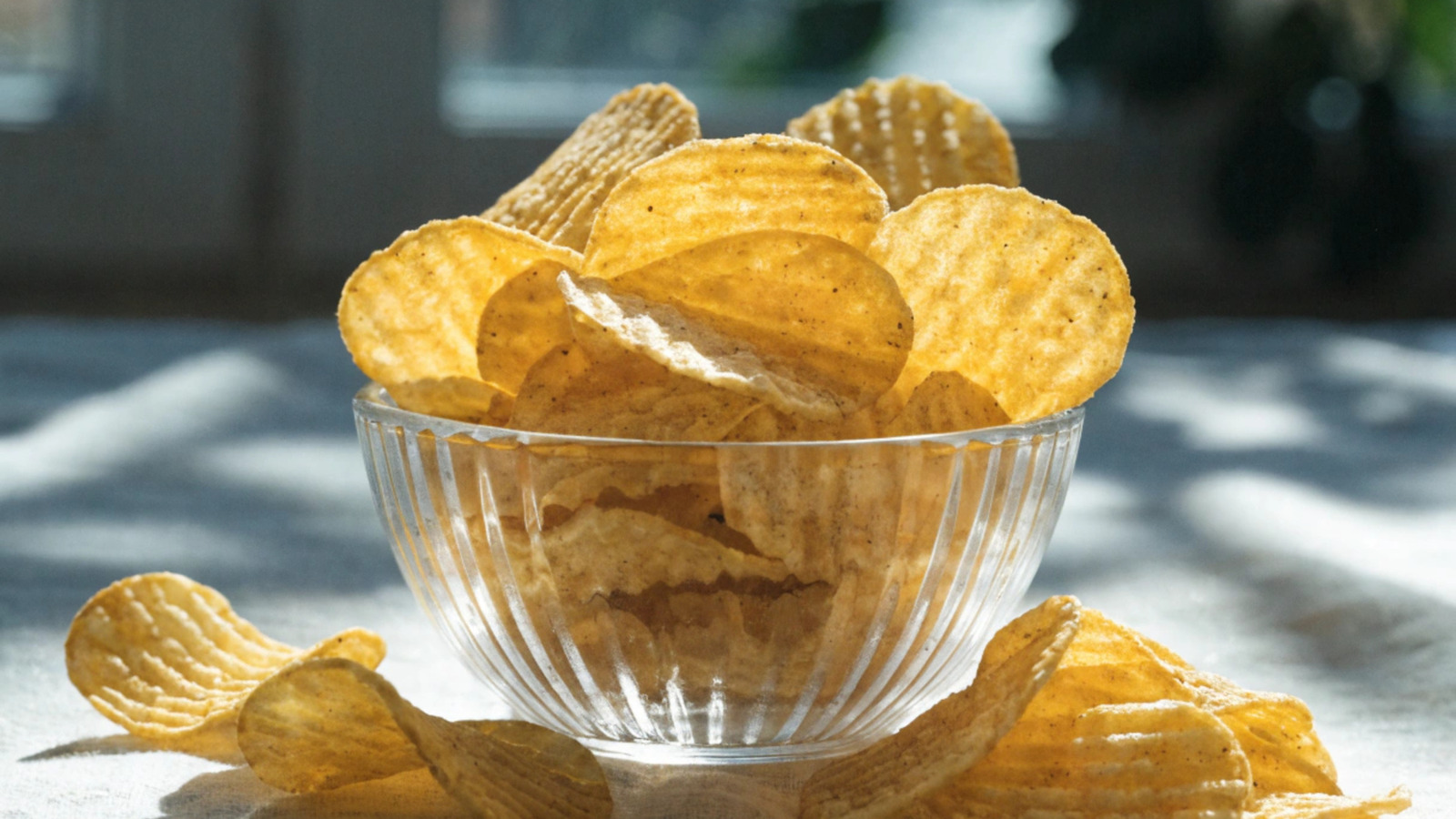
"Potatoes are a crop that requires cool weather for much of the year. Ideally the soil should be about 60 to 65 degrees Fahrenheit, and if the weather gets above 85 degrees for too long, the plant can die. Potatoes also require consistent moisture and are sensitive to extreme weather, and both the heat and extreme weather are getting worse due to climate change."
"Pennsylvania, a state where there are many potato chip factories that use local crops, has had record heat in recent years. Forty years ago, unusually hot nights that could slow potato growth happened 35 days a year on average. Now it's more than 50 days each year."
"Frying accounts for around 35% of the normal production cost of potato chips, and the cost of cooking oil has skyrocketed even more than other ingredients. The average price of different vegetable oils doubled from 2020 to 2025."
Potato chip prices have increased dramatically, rising 48% to an average of $6.32 for a 16-ounce bag over the past decade. Climate change significantly impacts potato production, as potatoes require cool soil temperatures around 60-65 degrees Fahrenheit and cannot survive prolonged heat above 85 degrees. Pennsylvania, home to many chip factories, now experiences over 50 unusually hot nights annually compared to 35 forty years ago. Major potato-producing states like Idaho and Washington face increased drought and extreme weather. Additionally, cooking oil costs have doubled from 2020 to 2025, and frying accounts for approximately 35% of production costs. These combined factors—climate-stressed crops and expensive oil—drive the significant price increases consumers experience.
Read at Tasting Table
Unable to calculate read time
Collection
[
|
...
]