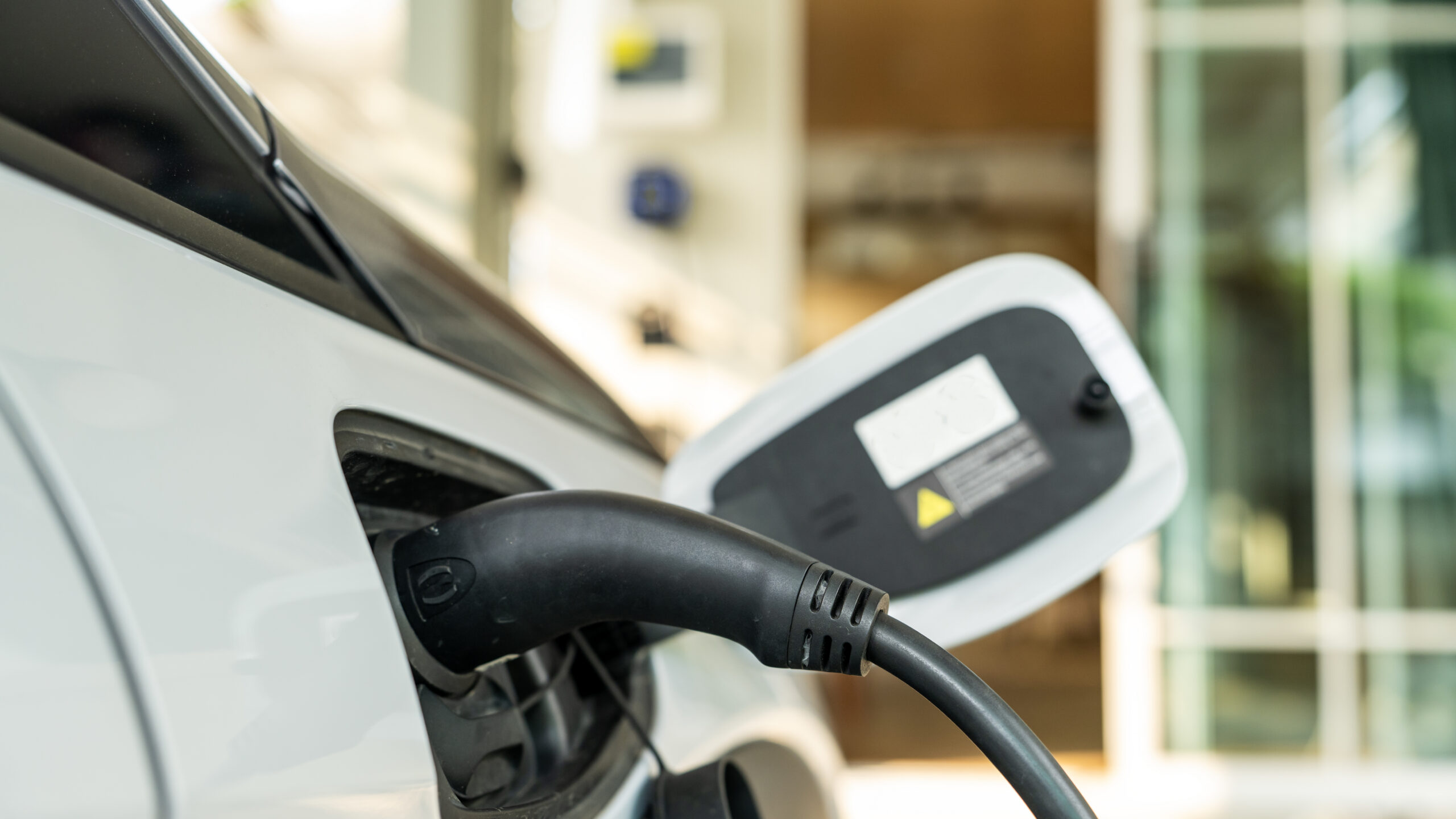
"Doubling the pack voltage brings clear technical advantages. Lower current means less heat, lighter cabling, more efficient electronics, and the ability to sustain extremely high charging power without pushing connectors and wiring to their limits. That's why performance-focused EVs like the Taycan have embraced 800 V architectures."
"The shift is being driven largely by improvements in silicon-carbide power electronics, which enable higher voltages while reducing switching losses and improving charging efficiency. As those components scale and costs fall, what is currently a feature of premium EVs from companies like Hyundai Motor Group, Porsche, and Lucid Motors may gradually migrate into more mainstream vehicles."
"Industry forecasts suggest that 800 V architectures will initially remain concentrated in higher-end EVs before gradually filtering downmarket. Some analysts estimate that 15-20 percent of EVs globally could adopt 800 V systems by 2030, although the share is much higher in premium segments, where more than half of vehicles priced above $60,000 may use 800 V platforms."
800 V architectures offer significant technical advantages over traditional 400 V systems, including lower current, reduced heat generation, lighter cabling, improved charging efficiency, and faster DC fast-charging capabilities. Currently concentrated in premium EVs from manufacturers like Porsche, Hyundai, and Lucid Motors, 800 V technology is becoming more affordable as silicon-carbide power electronics improve and scale. Industry forecasts predict 15-20% global EV adoption by 2030, with higher penetration in premium segments exceeding 50% for vehicles above $60,000. China's EV market may achieve 35% penetration by decade's end. Despite these advantages, 400 V systems will persist due to their simplicity, lower cost, and suitability for most charging scenarios.
#800v-ev-technology #ev-charging-infrastructure #silicon-carbide-power-electronics #ev-market-adoption-trends #premium-vs-mainstream-evs
Read at Ars Technica
Unable to calculate read time
Collection
[
|
...
]