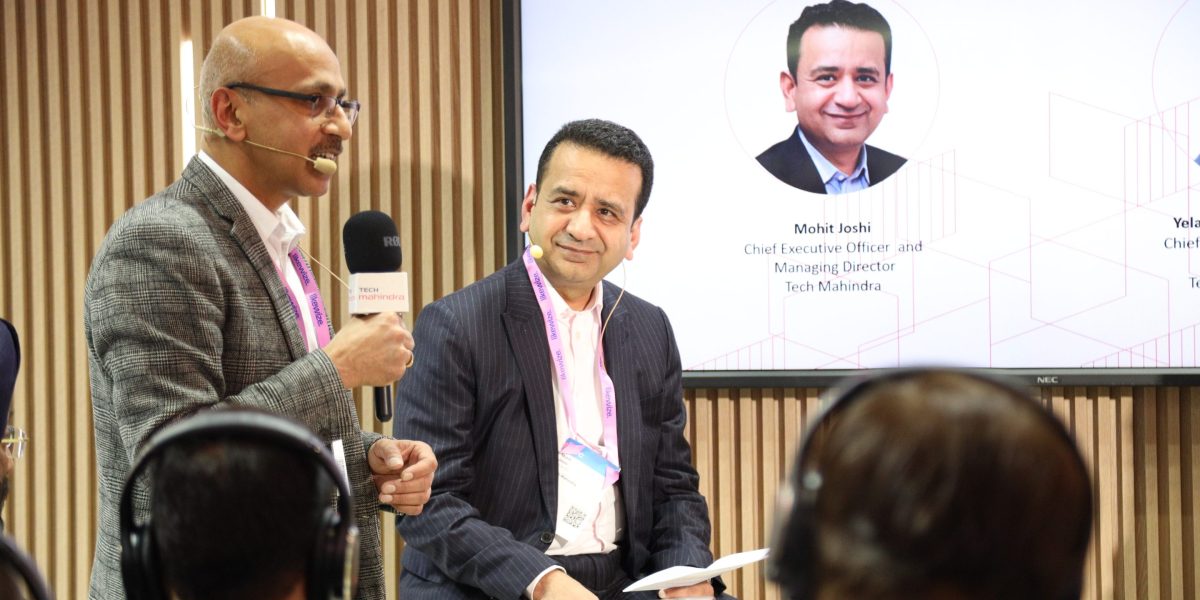
"The demand for human labor will not go away. The world is entering an era of technology complexity and new business opportunities. The changes are likely to increase demand for 'humans in the lead', even though the job specifications will be radically different."
"We think the productivity gains will not result in immediate headcount impacts. There is a lot of investment that will need to happen over the next couple of years to drive simplification, modernization and optimization. And, especially on the data side, investment will be required beyond the three to five years that it will take to modernize and simplify systems."
"In the best case beyond that, I feel the complexity of organizations will increase dramatically. And, if the AI premise gets realized fully, the economic growth is going to be so much more significant. It should create more opportunity."
Concerns about artificial intelligence destroying jobs may be unfounded, according to Tech Mahindra's chief executive Mohit Joshi. Historical precedent demonstrates that major technology investments, such as those made during the Millennium Bug scare in the 1990s, typically generate continued spending and new opportunities rather than job losses. Joshi argues that AI productivity gains will not immediately reduce headcount. Instead, significant investment in system modernization, simplification, and data infrastructure will be required over several years. As organizational complexity increases and economic growth accelerates through AI implementation, new opportunities should emerge, sustaining demand for human workers in evolved roles.
Read at Fortune
Unable to calculate read time
Collection
[
|
...
]