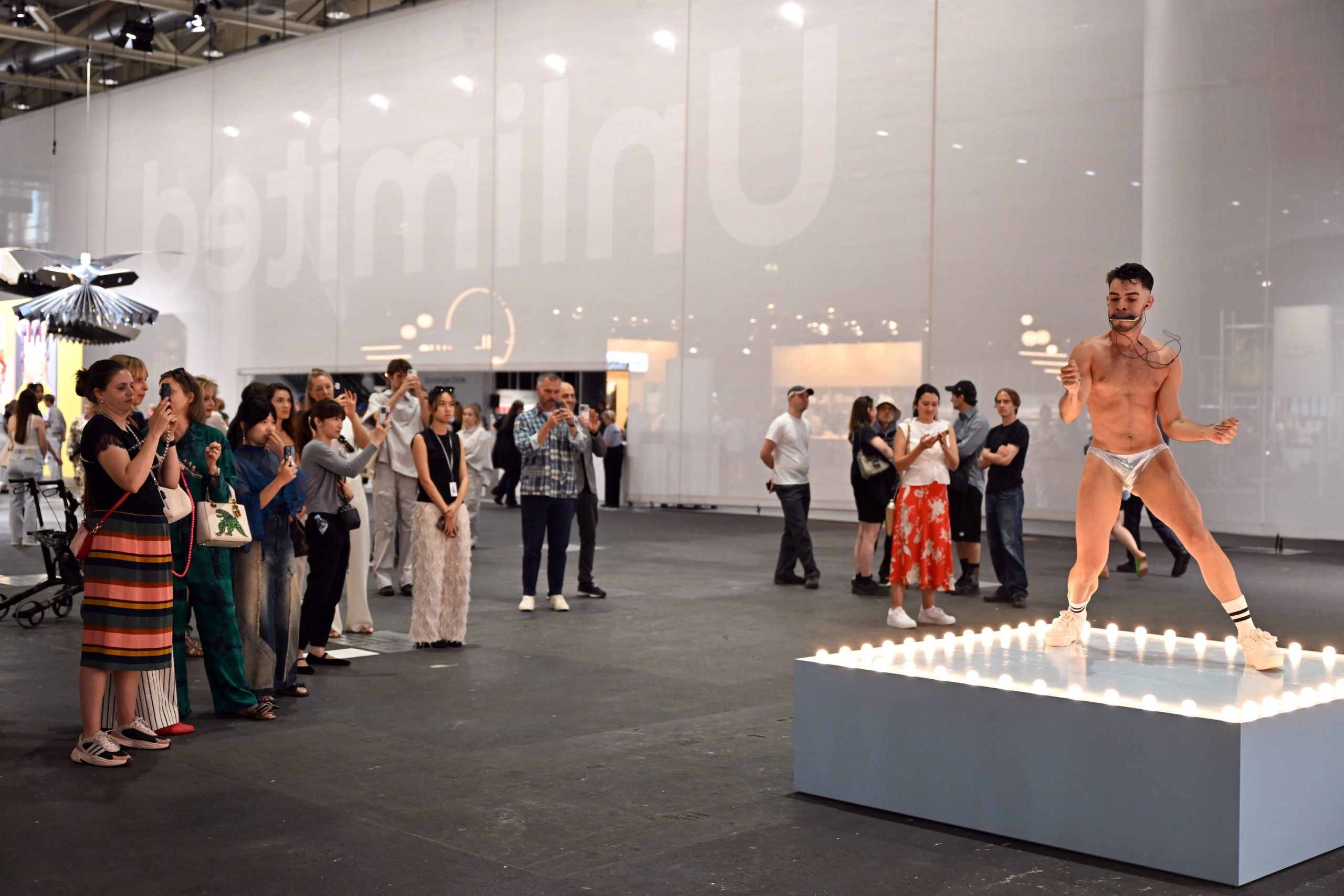
"I've seen variations of that question posed regularly for more than a decade. The Financial Times asked in 2010-and again in 2018 and 2024. It's an important topic, given the tension between the intangible nature of so many experiential works that inherently resist commodification and the fact that performance artists need to eat. But I think that question misses the point: Performance has been sellable for years. The change we're seeing now is in its value."
"Kelly would know: He helped Marina Abramović build her commercial career around that time by turning material from her archive of 1970s performances into "performance editions." By pairing documentary photographs with contextual text, they made collectible objects that maintain a link to her original actions. The approach became "a template" for supporting performance-based practices, Kelly said. One edition of Abramović's Complete Performances (1994) sold for $362,500 at Christie's in 2011, the artist's second-highest auction price, according to the Artnet Price Database."
Questions about whether there is a market for performance art center on the tension between experiential works that resist commodification and artists' financial needs. Performance has been sellable for years, but its monetary value is shifting. Gallery presentations of performances date back decades, and in the late 1980s dealers began creating financial models that sustained performance practices. Marina Abramović's performance editions paired documentary photographs and contextual text to create collectible objects that retained links to original actions. Some editions have fetched high auction prices, and artists like Tino Sehgal use oral-transfer editions that institutions have acquired.
Read at Artnet News
Unable to calculate read time
Collection
[
|
...
]