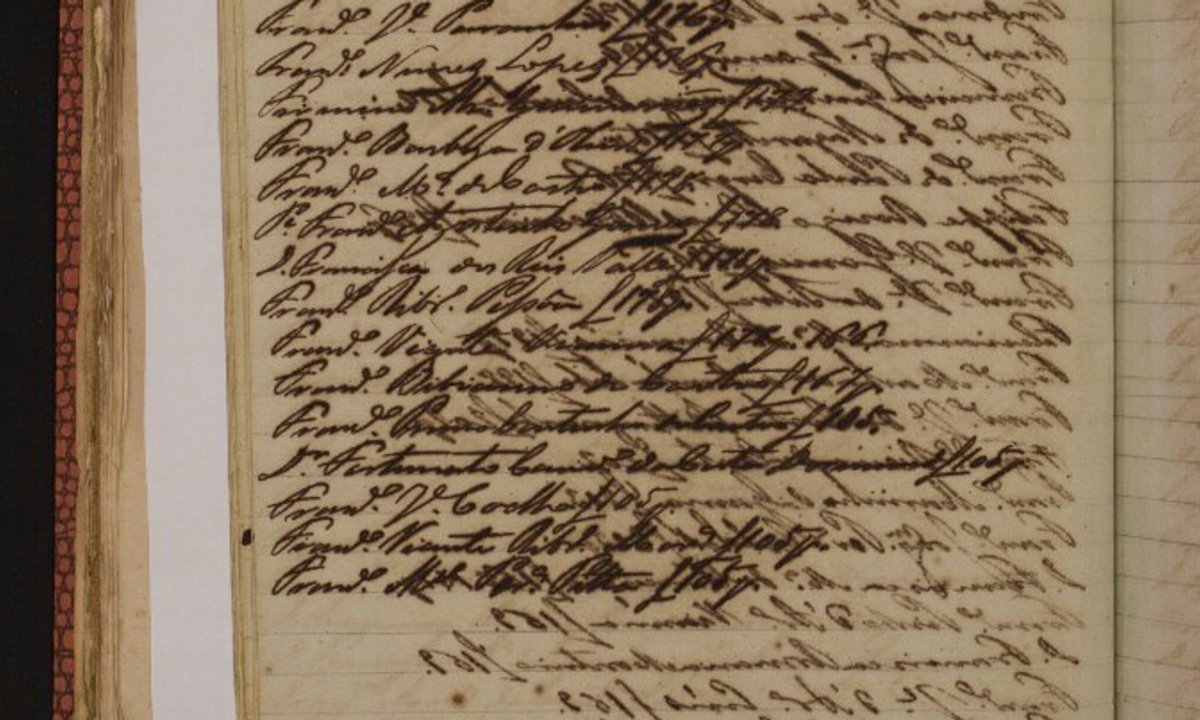
"Manumission papers, which typically identified the enslaved person's race, place of origin, familial relationships and owner's name, became vital to her research, and the project gradually expanded to encompass a more comprehensive database of the records."
"According to Mann, the database can be useful to researchers across various fields, but is first and foremost a tool for 'descendants of enslaved Africans and Brazilian-born people to reconstruct their lives'."
"A two-year digitisation project supported by the British Library's Endangered Archives Programme was overseen by Andrade and fellow UFBA professor João José Reis beginning in 2015. The project saw the digitisation of more than 300,000 papers from the archives, including records previously restricted to researchers due to conservation concerns."
Historians Kristin Mann and Urano de Cerqueira Andrade launched a comprehensive study of manumission records in Bahia, Brazil, drawing from previously understudied notary documents housed in state archives. Mann's initial research on enslaved people who returned to West Africa after gaining freedom expanded into a broader database project. Manumission papers, containing details about enslaved individuals' race, origin, family relationships, and owners, proved essential to understanding 19th-century Brazilian slavery. A two-year digitization initiative supported by the British Library's Endangered Archives Programme, beginning in 2015, preserved over 300,000 papers while making restricted records accessible. The resulting database, partially published in 2023, serves researchers across disciplines and primarily enables descendants of enslaved Africans and Brazilian-born people to reconstruct their family histories.
#brazilian-slavery-history #manumission-records #digital-archives-preservation #genealogical-research #19th-century-bahia
Read at The Art Newspaper - International art news and events
Unable to calculate read time
Collection
[
|
...
]