"The art trade has always believed it represents a special relationship between culture and money. After all, acquiring an original work by a well-regarded visual artist is, in relative terms, an expensive business. You can buy a physical copy of a masterpiece of world literature, like Dostoevsky's Crime and Punishment, for less than $10. Thanks to subscription streaming apps, it costs even less to "own" Beethoven's Ninth Symphony or an Oscar-winning movie."
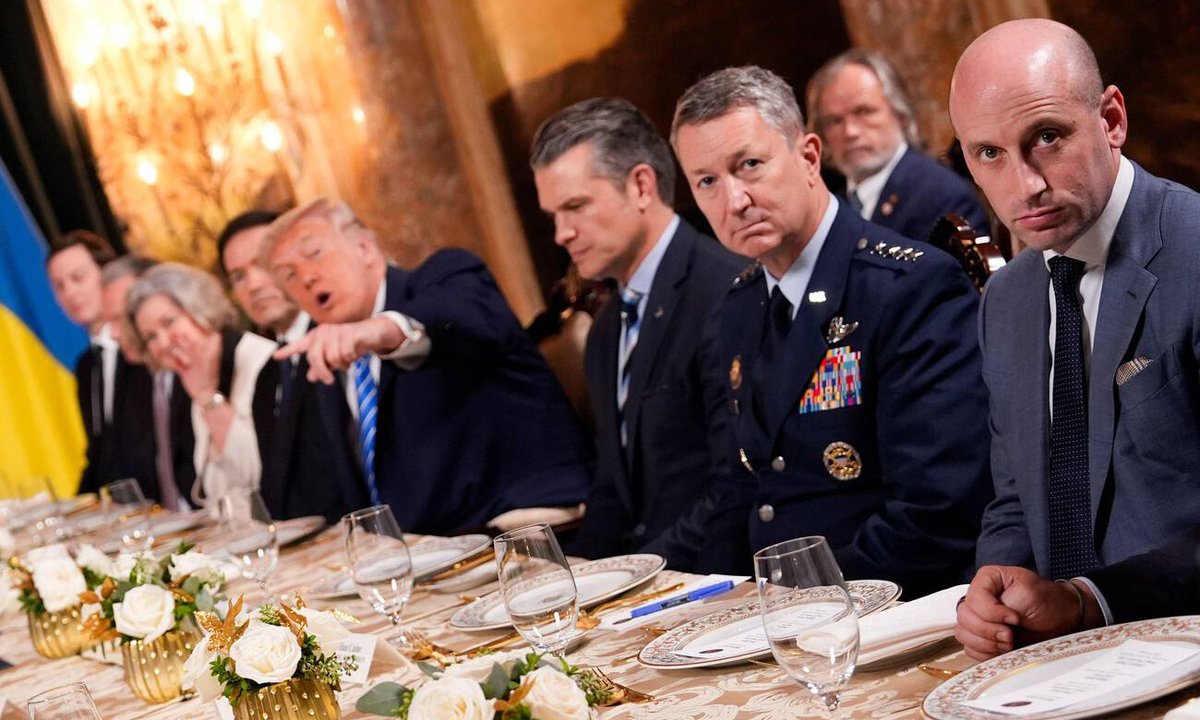
"According to Stephen Miller, an influential senior adviser to Donald Trump, president of the US, the planet's biggest art market, we now live in a world "that is governed by strength, that is governed by force, that is governed by power". Speaking to CNN shortly after the US military had abducted the president of Venezuela, Miller added that "these are the iron laws of the world since the beginning of time" and reiterated America's intention to annex Greenland."
The art trade long equates original visual artworks with cultural prestige and significant expense compared with other cultural goods. Mass-market literature, recorded music, and films are inexpensive or cheaply accessible through streaming, and live performances remain far cheaper than original contemporary artworks. Even small oil sketches by sought-after contemporary artists can fetch tens of thousands at auction. Owning art functions as a marker of cultivated affluence. If economic elites prioritize raw power and money over culture, demand and valuation for art could weaken. Contemporary political rhetoric that celebrates force and territorial ambition sharpens the tension between cultural value and the primacy of power.
Read at The Art Newspaper - International art news and events
Unable to calculate read time
Collection
[
|
...
]