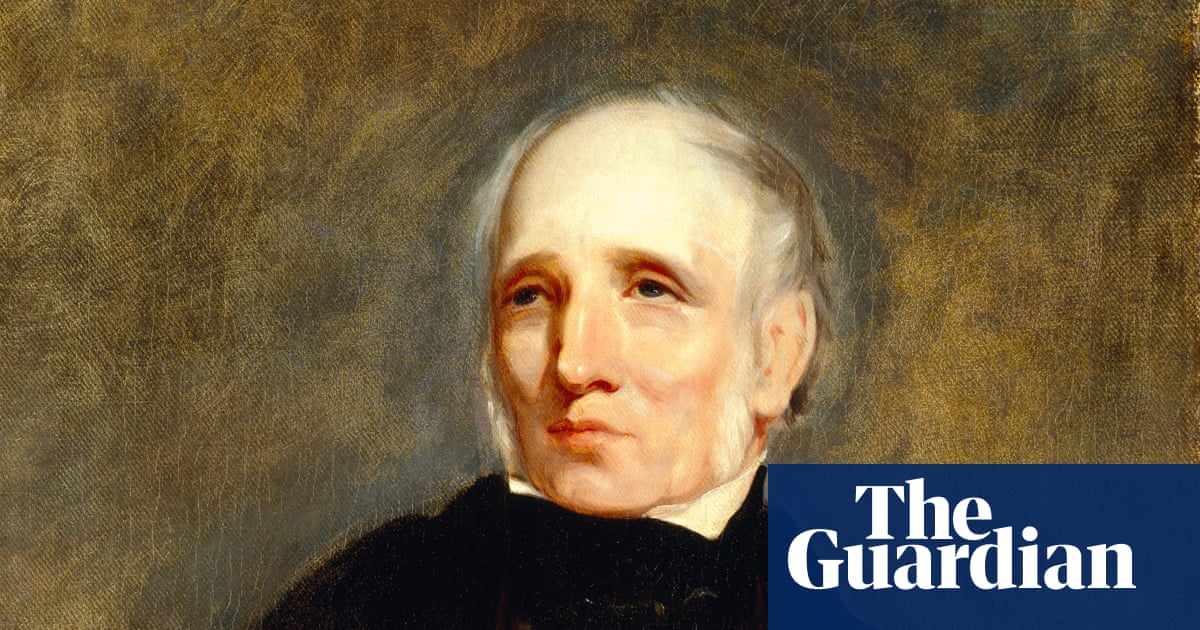
"Shelley's genre in To Wordsworth has been described as the corrective tribute. The euphemism seems to let Shelley off lightly. There's little doubt that the younger poet intended a combination more abrasive than gently improving. The sonnet was published in his 1816 collection, Alastor; or, The Spirit of Solitude, in which one of the themes is an idealistic young Romantic poet's narrative of political disillusion."
"Shelley's technique is artful. The opening address to Wordsworth has a tone of gentle lament, in which the younger poet sees himself and his addressee as sharers of life's ordinary sorrows and losses, the common woes. His quiet affirmation of solidarity is, however, a preparation for stronger censure to follow, and soon we see the place where the weapon is unsheathed: These common woes I feel. One loss is mine, / Which thou too feel'st, yet I alone deplore."
To Wordsworth opens with a familiar elegiac tone, naming losses of childhood, youth, friendship, and first love. Shelley frames shared sorrow as a prelude to sharper censure, isolating a singular loss that he alone deplores. The sonnet appears in Alastor (1816) amid themes of political disillusion and the narrative of an idealistic young Romantic poet's disappointment. Shelley juxtaposes gentle lament with weaponized diction; his emphasis on the verb 'deplore' signals unique, merciless youthful feeling. Shelley charges that Wordsworth relinquished political intensity and moral authority with less suffering, abandoning songs consecrated to truth and liberty.
Read at www.theguardian.com
Unable to calculate read time
Collection
[
|
...
]