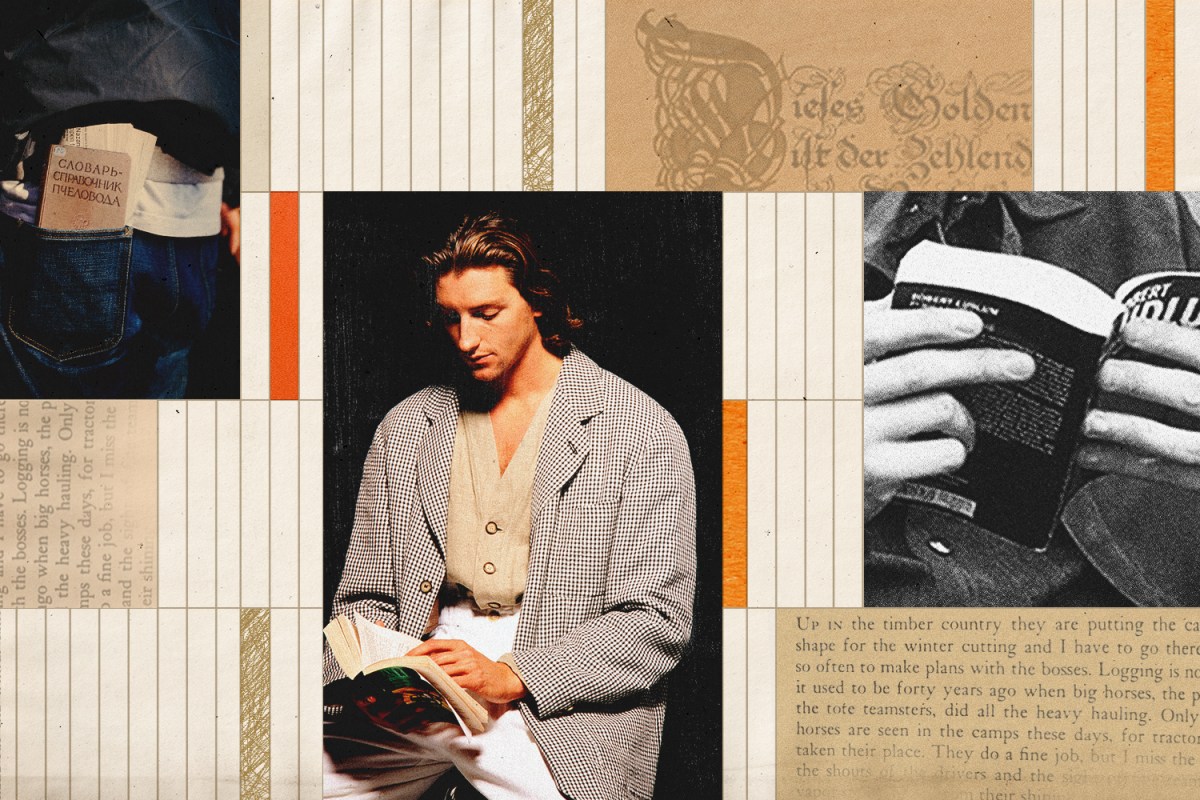
"The portable, pocket-sized books gained massive appeal in the early and mid- 20th century, due to their widespread availability in supermarkets and train stations and their low cost (you could buy one for the price of a pack of cigarettes). With the rise of e-readers and audiobooks over the last two decades, however, pocket book sales have faltered. Modern consumers, it seems, also have no interest in the inexpensive mass market paperback, willingly spending three to four times the amount on hardcover and special edition books,"
"In recent years, we have witnessed entire bodies of work be deleted from streaming platforms, with some series and films receiving no physical release, effectively rendering them lost media. Physical media, like DVDs and CDs, also give ownership to the consumer."
"But with the death of physical media, particularly as it concerns mass market paperbacks, is the erosion of something, I'd argue, as equally unsettling: sex appeal. Man's hottest accessory is not a pair of sleek sunglasses, a hoop earring or even a backwards baseball hat. No, it is but a book. A book that slightly juts out of the back pocket of your pants."
Portable mass-market paperbacks became popular in the early to mid-20th century because they were inexpensive and widely available in supermarkets and train stations. Sales of pocket-sized books have declined over the past two decades as consumers adopt e-readers and audiobooks and prefer hardcovers and special editions. ReaderLink announced plans to end distribution of pocket books by the end of 2025. The loss of inexpensive physical books raises concerns about ownership, preservation, and accessibility. Streaming deletions and lack of physical releases have already rendered some works effectively lost. The disappearance of pocket paperbacks also diminishes the cultural and aesthetic role of books as personal accessories.
Read at InsideHook
Unable to calculate read time
Collection
[
|
...
]