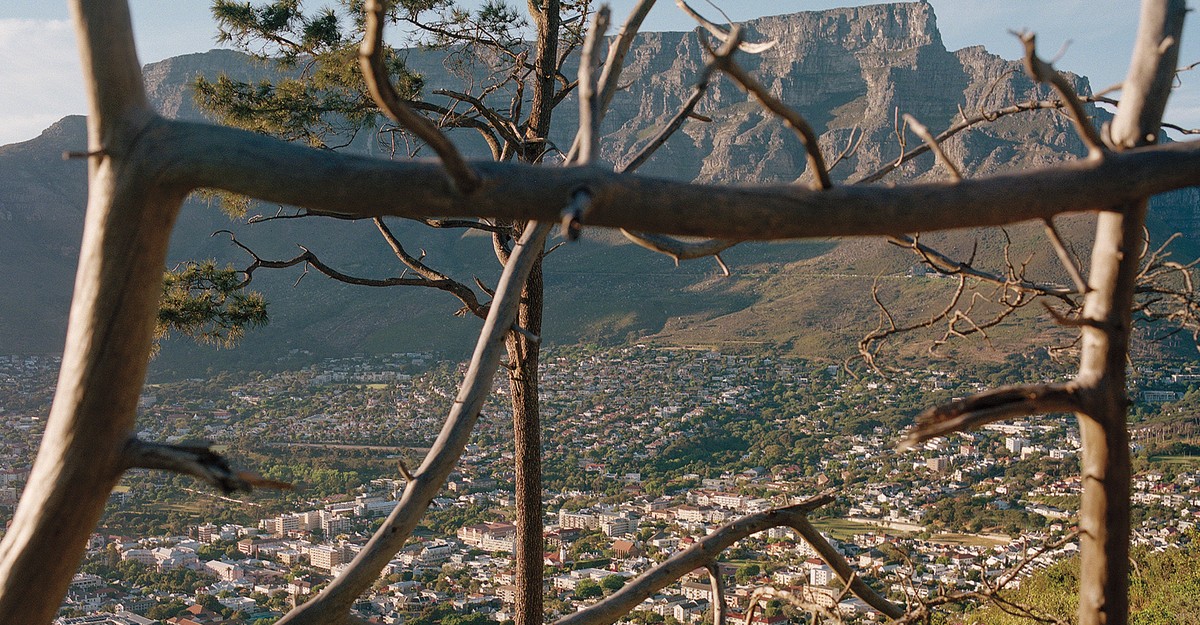
"When I arrived in Cape Town, South Africa, in October, at the windy end of spring, setting foot on African soil for the first time in my life, it wasn't to indulge in the animal voyeurism that wealthy newlyweds tell me will change my life. Instead, I was on a hunt for traces of one of the world's strangest writers, J. M. Coetzee, in the city from which he had emerged, a city that he'd intermittently written about-without revealing much of it-and then left, in 2002."
"The 86-year-old author's legacy, I'd been told, stirred the kinds of passions that have gone extinct pretty much everywhere else on the planet. Here was my chance to witness not a band of rutting gnu but something I had not imagined could still exist: a communal literary obsession in a postliterary age, at the center of which is a man whom acolytes call, simply, 'God.'"
"Nobody could make you feel as cultured and literary in the space of some 200-odd pages as the stoic and writerly looking man from Cape Town. I read the second of his two Booker Prize-winning novels, Disgrace, when it came out in 1999, at a time when I was experimenting heavily with ketamine, and then went to the back catalog, the novels of the apartheid era, including Waiting for the Barbarians and the other Booker winner, 1983's Life & Times of Michael K."
The author journeys to Cape Town, South Africa, seeking traces of J. M. Coetzee, the renowned but reclusive writer who left the city in 2002. Rather than pursuing typical tourist activities, the author investigates Coetzee's literary impact on Cape Town, where his work continues to inspire passionate devotion among readers and scholars. The author's own formative years as a writer were shaped by reading Coetzee alongside other experimental and modernist authors like Toni Morrison, Salman Rushdie, and Don DeLillo. Coetzee's novels, including his Booker Prize-winning works Disgrace and Life & Times of Michael K, profoundly influenced the author's literary development during the late 1990s and early 2000s.
Read at The Atlantic
Unable to calculate read time
Collection
[
|
...
]