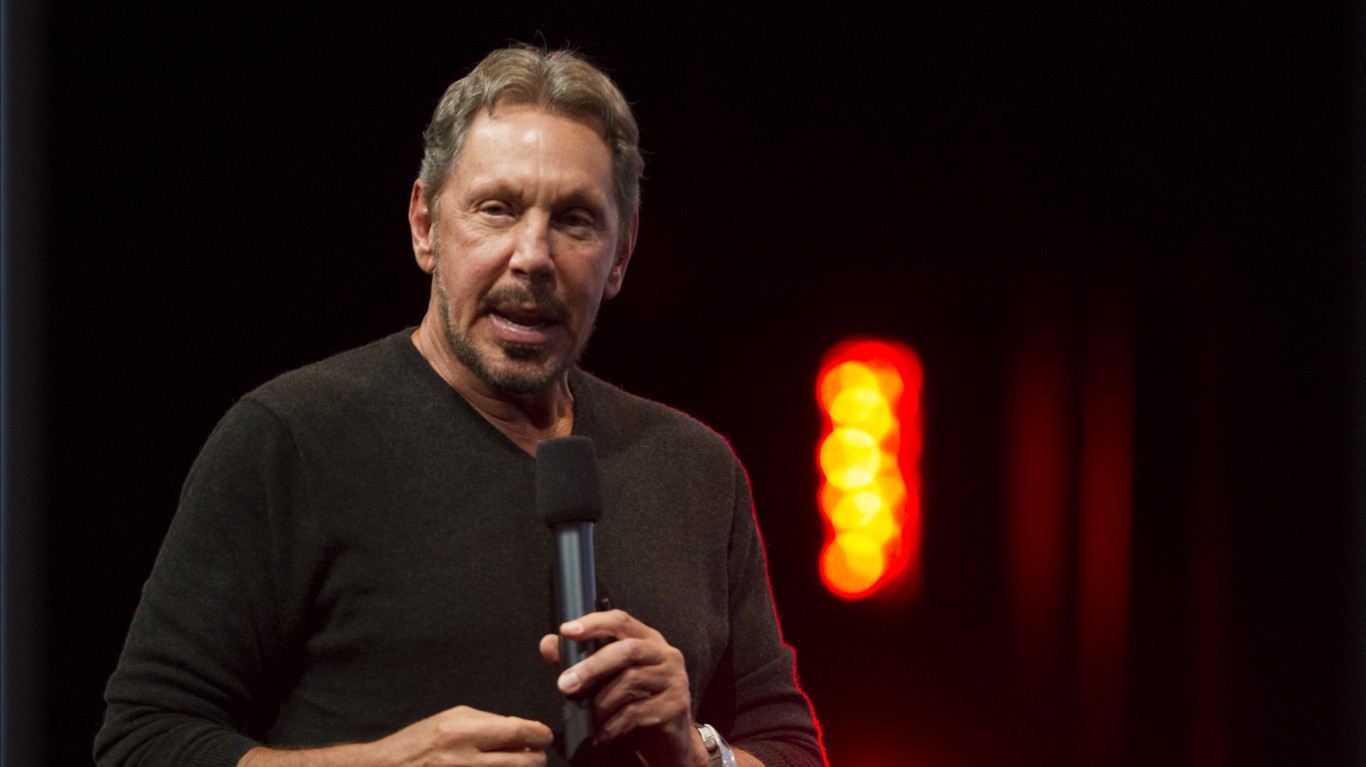
"The stock has nearly halved since then, with the market cap now below $470 billion. This is despite the company being knee-deep in the burgeoning AI data center race and having an oversized influence over the U.S. government. Larry Ellison went on the podium next to Trump last year and recently inked a deal with ByteDance, the parent company of TikTok, to seize partial control of the app's U.S. arm. The company is pouring capital into AI-centric data centers, something that the market has rewarded the company for just a few months ago."
"Investors are no longer blind about AI AI's novelty is wearing off, and Wall Street is no longer writing a blank check to any company that claims it is involved in the industry. Oracle may be involved in data centers, but it is only influential in a narrower and more specialized way than the hype implies. It is not a top‑tier general‑purpose cloud like AWS, Azure, or Google Cloud."
"Where it is making progress is building out data centers. Oracle's "AI" is more of a bet on those data centers, and there's a lot that can go wrong. The company does not have the capital on hand, so it is heavily reliant on taking on debt to build out this infrastructure. That's a catch many investors are not willing to take. You can take a look at as an excellent example."
Oracle's market value has dropped from near-$1 trillion potential to under $470 billion as the stock nearly halved amid AI expectations. The company has invested heavily in AI-focused data centers and leveraged political and strategic relationships, including a deal involving ByteDance. Investor enthusiasm for AI has cooled, and market participants now scrutinize actual competitive positioning; Oracle lacks a top-tier, general-purpose cloud platform like AWS, Azure, or Google Cloud. Oracle is funding an aggressive infrastructure buildout largely through debt and raised fiscal 2026 capex guidance to $50 billion from $35 billion, prompting concerns about sustainability and profitability.
Read at 24/7 Wall St.
Unable to calculate read time
Collection
[
|
...
]