"You've worked together before. You trust each other. You know how the other person thinks under pressure. On paper, it's the safest move. In many ways, it is. Shared history creates speed-faster decisions, candid conversations, less time decoding intent. When CEOs bring former colleagues into senior roles, baseline trust feels like rocket fuel. But familiarity also introduces a hidden risk that undermines executive teams far more often than leaders anticipate."
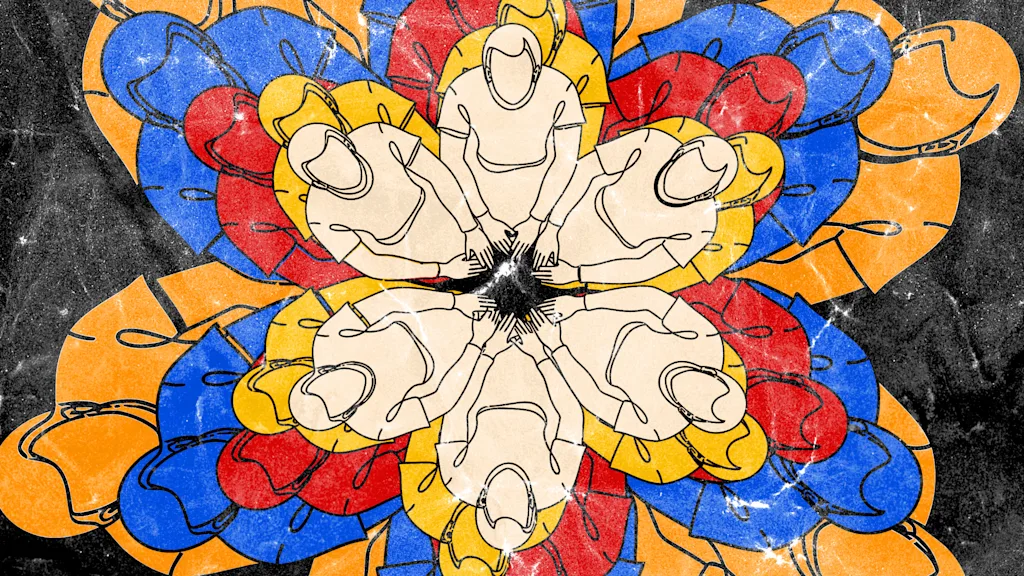
"What I see repeatedly in executive teams built on shared history is the quiet formation of inner circles. Leaders who "go way back" share shorthand, context, and trust earned elsewhere. Others, often equally capable with deep institutional knowledge, find themselves outside that orbit. I coached a CEO who'd brought three former colleagues into a 10-person executive team. Within months, critical decisions were being pre-discussed among "The Four" before formal meetings."
Shared history among executives accelerates decision-making through shorthand, candid conversations, and reduced need to decode intent. Familiarity often creates baseline trust that facilitates rapid action. However, such familiarity can produce quiet inner circles where those who "go way back" pre-discuss decisions, leaving equally capable leaders outside the orbit. Excluded leaders may become passive because challenging pre-baked decisions feels politically risky. Damage arises not from malice but from unrecalibrated relationships and neglected new relationships. Preventing individual excellence from turning into organizational friction requires deliberate recalibration of prior ties and intentional cultivation of inclusive relationships across the executive team.
Read at Fast Company
Unable to calculate read time
Collection
[
|
...
]