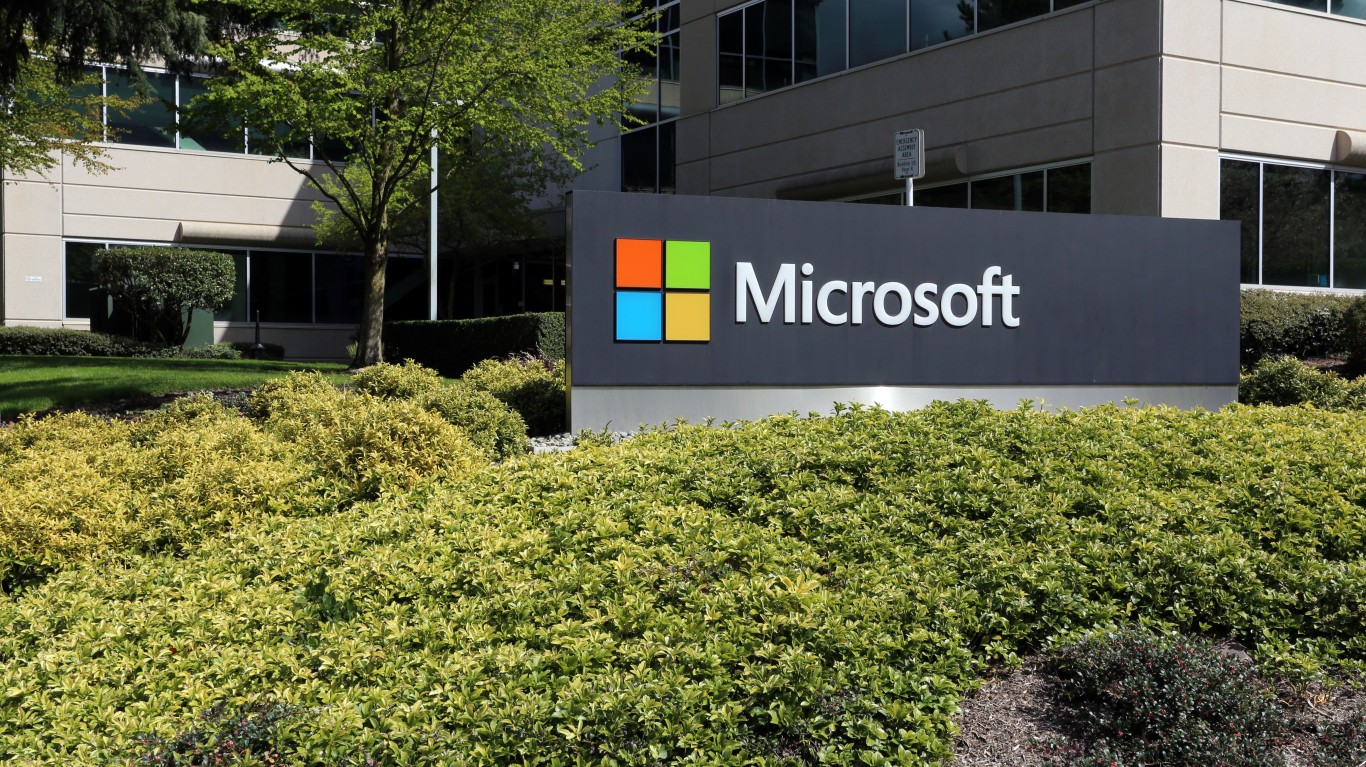
"Shares of Microsoft are down 11.7% in Thursday trading after the company reported fiscal second-quarter results that beat Wall Street estimates but failed to satisfy investor expectations around Azure cloud growth and AI infrastructure spending. Earnings Beat Fails to Impress Microsoft posted non-GAAP EPS of $4.14 on revenue of $81.27 billion for the quarter ended December 31, 2025, topping consensus estimates of $3.92 and $80.28 billion respectively."
"The selloff centers on Azure cloud growth, which came in at 39% year over year. While strong in absolute terms, the figure appears to have missed informal Wall Street expectations for continued acceleration. Investors also questioned the company's massive AI infrastructure spending, with capital expenditures hitting $37 billion in the quarter, up 65% year over year. Capex Concerns Weigh on Sentiment Stifel cut its price target from $640 to $520 following the results, citing margin compression from AI infrastructure and talent costs."
"CFO Amy Hood attempted to reassure investors that GPU depreciation risks are mitigated by pre-contracted useful life agreements, but the message failed to offset concerns about return on investment. Nearly half of Microsoft's $625 billion backlog is tied to AI model makers, including OpenAI, raising questions about whether Azure growth justifies the unprecedented spending. The company's Q2 capex of $37 billion marks the highest quarterly infrastructure investment in company history."
Microsoft reported fiscal Q2 non-GAAP EPS of $4.14 and revenue of $81.27 billion, with net income up 60% year over year to $38.5 billion. Azure cloud growth slowed to 39% year over year, which appeared to fall short of expectations for continued acceleration. Capital expenditures reached $37 billion, up 65% year over year and constituting the largest quarterly infrastructure investment in company history. Stifel lowered its price target citing margin pressure from AI infrastructure and talent costs. Nearly half of a $625 billion backlog is tied to AI model makers, including OpenAI, raising questions about return on investment. The CFO said GPU depreciation risks are mitigated by pre-contracted useful life agreements.
Read at 24/7 Wall St.
Unable to calculate read time
Collection
[
|
...
]