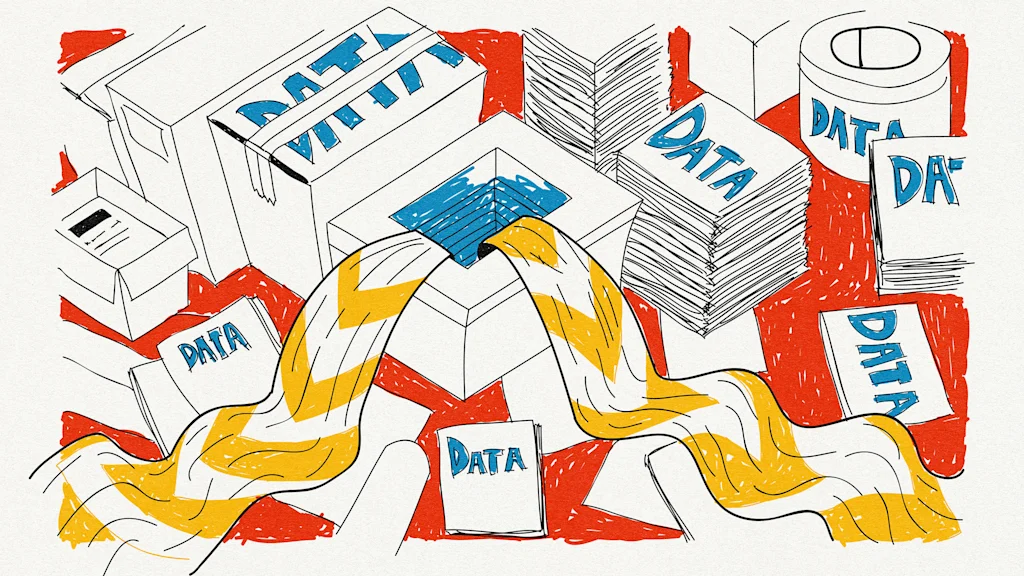
"Organizations are drowning in dashboards, KPIs, performance metrics, behavioral traces, biometric indicators, predictive scores, engagement rates, and AI-generated forecasts. We have more data than we know what to do with. We pretend that the mere presence of data guarantees clarity. It does not. That's data hubris—the arrogant belief that because something can be measured, it can be mastered."
"In executive meetings, a slide filled with graphs and percentages signals authority. Numbers appear to silence dissent and create the impression of neutrality. But behind every dataset lies a series of human decisions: what to measure, how to measure it, what to ignore, and how to interpret it. Metrics are never neutral; they are constructed within particular frameworks, assumptions, and interests."
"Too often, data is used not to inform decisions but to justify them after the fact. It lends post-hoc legitimacy to strategies already chosen, wrapping subjective choices in the language of objectivity."
Organizations increasingly rely on data to guide decisions, equating quantification with credibility and competence. However, accumulating more data has not improved decision-making quality, creating a paradox where dashboards and metrics proliferate without delivering clarity. This phenomenon reflects data hubris—the belief that measurable things can be mastered. Behind every dataset lie human decisions about what to measure, how to measure it, and what to ignore. Metrics are never neutral; they reflect particular frameworks, assumptions, and interests. Data frequently justifies decisions made beforehand rather than informing them, lending false objectivity to subjective choices. Even sophisticated organizations like Netflix use data to post-hoc legitimize predetermined strategies rather than genuinely guide decision-making.
#data-driven-decision-making #metrics-and-measurement #organizational-decision-making #illusion-of-objectivity #data-hubris
Read at Fast Company
Unable to calculate read time
Collection
[
|
...
]