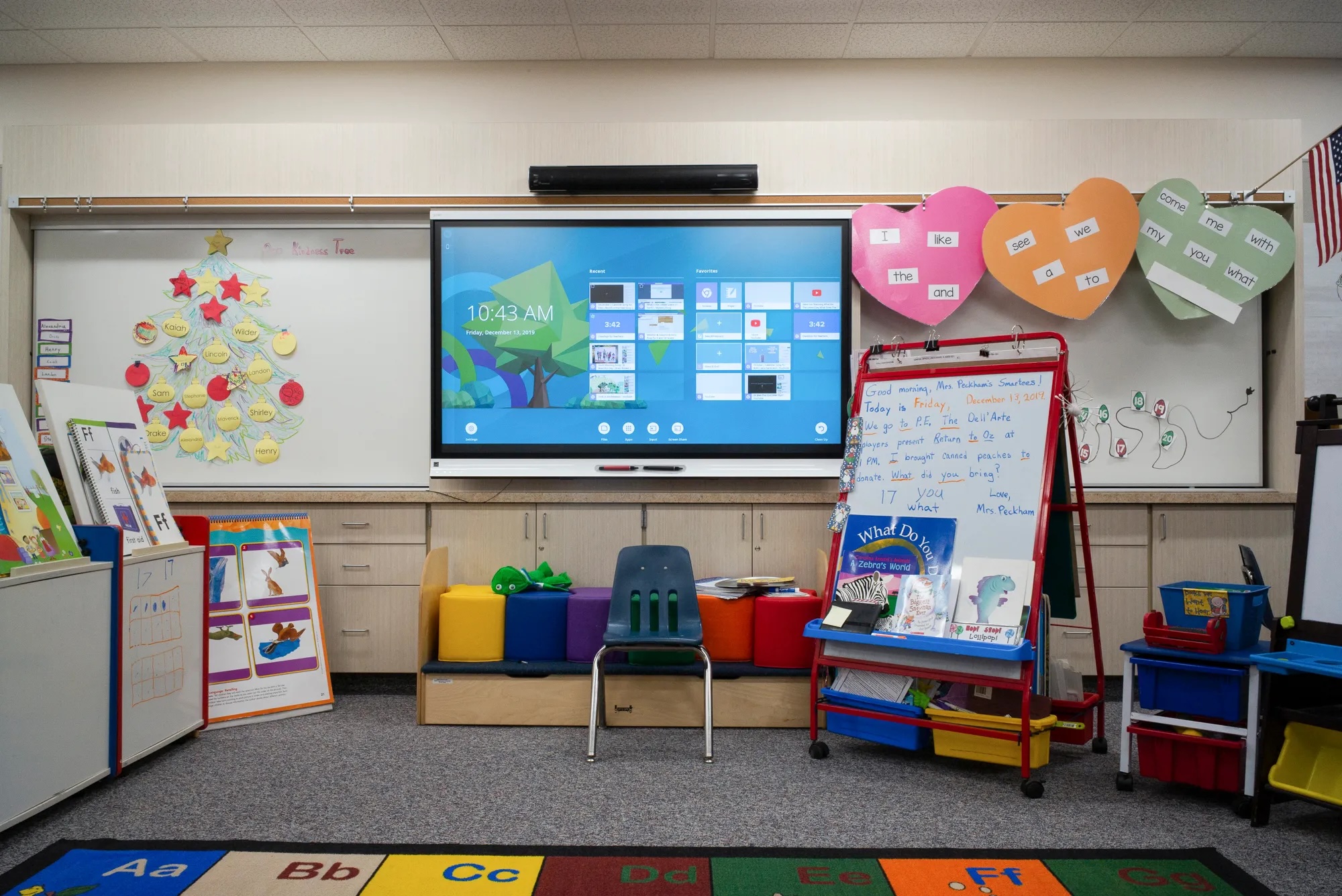
"The Trump administration's sweeping crackdown on immigrants has taken a particularly high toll on the child care industry - both for families and providers. In California, almost 40% of the workforce is foreign-born and more than a million parents - immigrant and otherwise - rely on child care providers so they can go to work."
""The impact, especially on women, is bigger than we can imagine," said Patricia Lozano, executive director of Early Edge California, which advocates for early childhood education. But it's the children who might suffer the most, she said. Not only are some missing their regular child care providers, but those with immigrant parents may be experiencing stress at home and a disruption of their routine."
"At one playgroup in East Oakland, organizers started locking the door and closing the blinds to make families feel safe. At another playgroup, located at a library, staff helped families create safety plans in case immigration agents arrived. Bananas used to hold monthly diaper give-aways in a parking lot that would regularly attract 200 families. Fewer people started showing up after Trump took office, Johnson said, so now the group holds the giveaways several times a month, attracting smaller crowds, and moved the event indoors, so families can't be seen from the street. "People have been trying to stay under the radar when they can," Johnson said. "We do what we can to help people, because so many of these families don't have a voice. And the kiddos especially don't have a voice.""
The Trump administration's sweeping crackdown on immigrants has taken a particularly high toll on the child care industry, affecting both families and providers. In California, almost 40% of the child care workforce is foreign-born and more than a million parents rely on child care to work. Absenteeism and empty classrooms have increased. Women face disproportionate impacts. Children are missing regular providers and may experience stress at home and disrupted routines. Community programs have made safety changes such as locking doors, closing blinds, and creating safety plans. Diaper giveaways moved indoors and now serve smaller crowds as families try to stay under the radar.
Read at Kqed
Unable to calculate read time
Collection
[
|
...
]