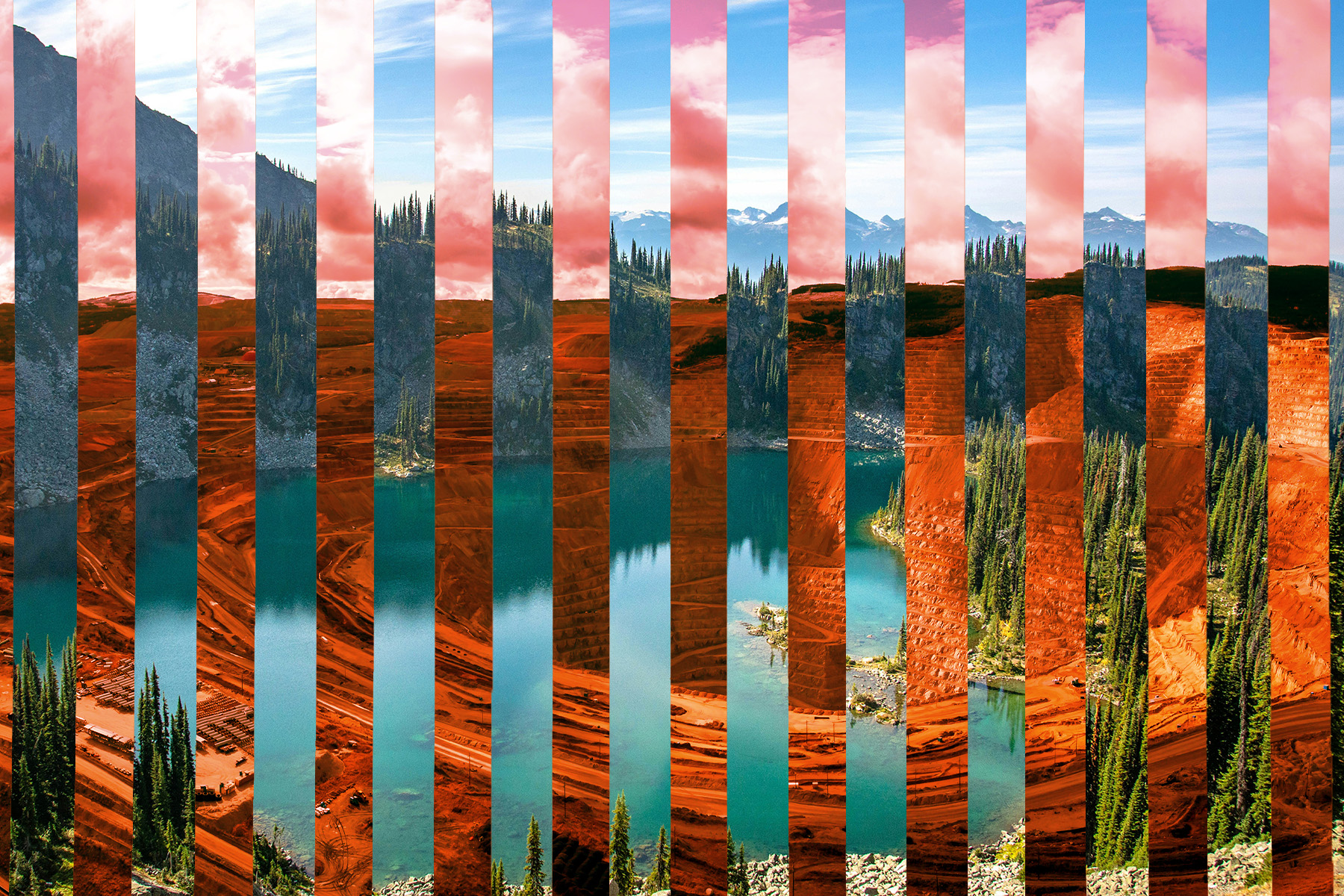
"I am someone with decades of experience working on large mining, oil and gas, and environmental projects in many capacities-from Peru to the Democratic Republic of the Congo, from Patagonia to Northern Canada. I have been at the tip of the spear for construction but also on teams managing ecological impacts. I have seen first-hand how well a project can go but also the disaster that can befall it if it is rushed."
"Any large-scale development in Canada requires what is referred to as an Environmental Impact Assessment, or EIA. These have been at the core of any project I have worked on. It is a long-term study not only into potential impacts but also to build a clear understanding of what is in that place before the work starts: detailed studies of flora and fauna, water bodies both above and below ground, and effects on local communities."
"I've often heard the complaint that these kinds of standards aren't practised everywhere and that they put Canada at a disadvantage when competing internationally. In fact, the opposite is true. EIAs are a widely accepted global norm, and projects that try to bypass them are the ones out of step with international practice. Canada's long-standing commitment to these processes-and our lead"
Bill C-5 aims to fast-track projects deemed integral to economic security and is framed as a response to perceived external pressures. The legislation emphasizes a "one project, one review" principle to eliminate duplicate Environmental Impact Assessments (EIAs). EIAs are long-term studies that document flora, fauna, surface and groundwater, and community effects, and they inform project design and siting. Consolidating reviews can reduce duplication and accelerate approvals, but rushing or oversimplifying assessments risks ecological damage and operational failure. EIAs align with widely accepted international norms, and bypassing them departs from global practice.
Read at The Walrus
Unable to calculate read time
Collection
[
|
...
]