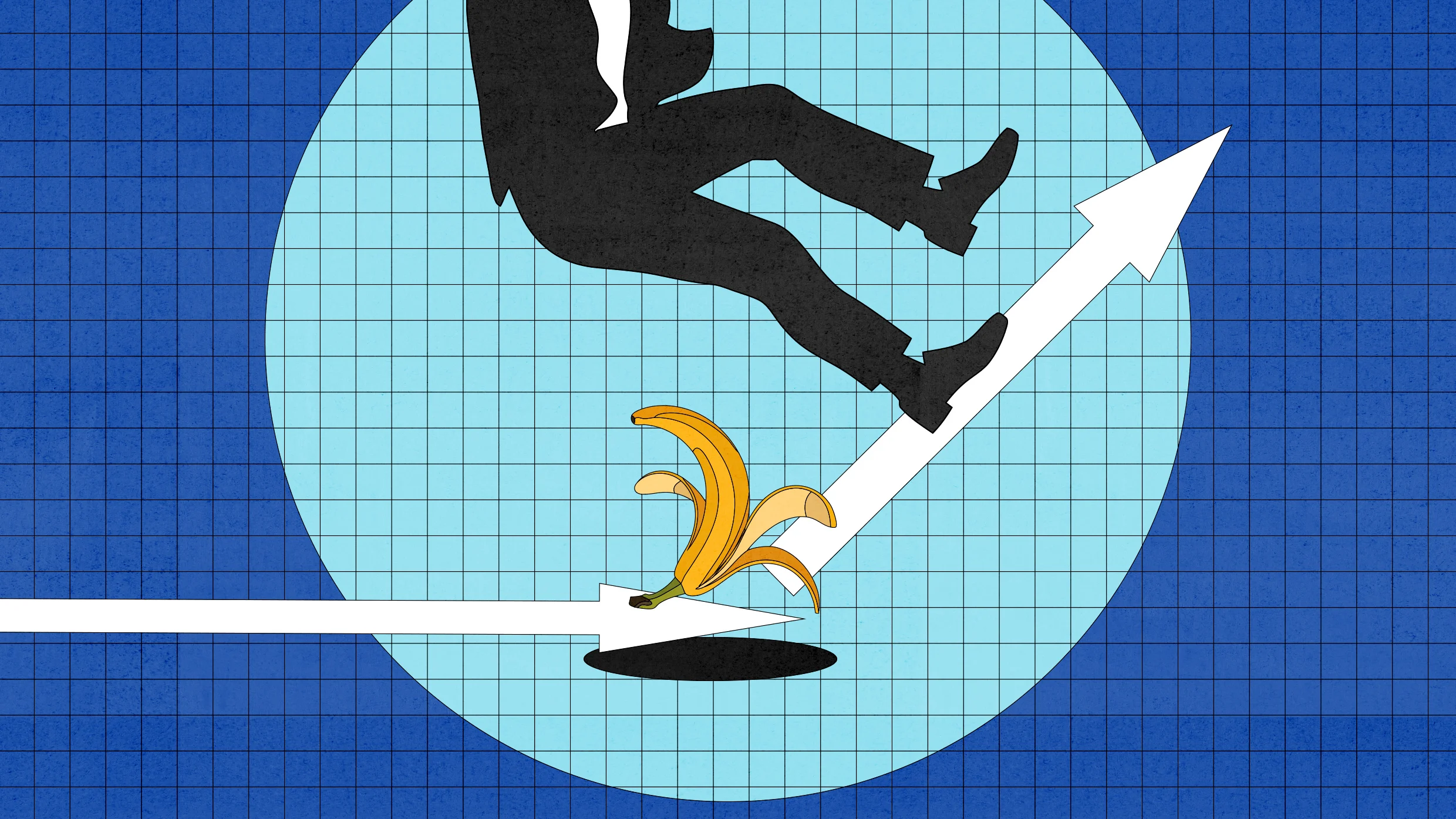
"I study and speak about high achievers in the workplace, including in my recent book, The Success Factor, and have observed this problem resurface, leading to the departure of top performers. What happened to Kim is what I call promotion by failure. It's the practice of moving an underperforming or difficult employee into a higher status role, often with increased influence and reduced accountability, to avoid directly addressing the poor performance. Ultimately, this isn't just a performance issue-it's a leadership and systems failure."
"When companies reassign, elevate, or create new positions for under-performing employees, this misaligned intervention sends an alarming signal with reverberating negative ripple effects on teams and the entire organization. The displacement strategy removes the bad employee from immediate friction but ignores the root cause. Sadly, the underperforming employee will eventually repeat their behavior in a new role. But promotion by failure doesn't help anyone."
A tenured faculty member advanced through roles despite persistent underperformance and poor collaboration, eventually moved into an opaque, higher-status position that functioned as avoidance rather than accountability. Promotion by failure is the practice of elevating underperforming or difficult employees into roles with increased influence but reduced accountability. Organizations use reassignment or creation of positions to remove friction without addressing root causes, which signals tolerance for poor performance and erodes trust. The strategy rewards bad behavior, leaves teams damaged, and often leads to recurrence of the same behaviors in the new role. Causes include structural, psychological, and legal barriers to holding people accountable.
Read at Fast Company
Unable to calculate read time
Collection
[
|
...
]