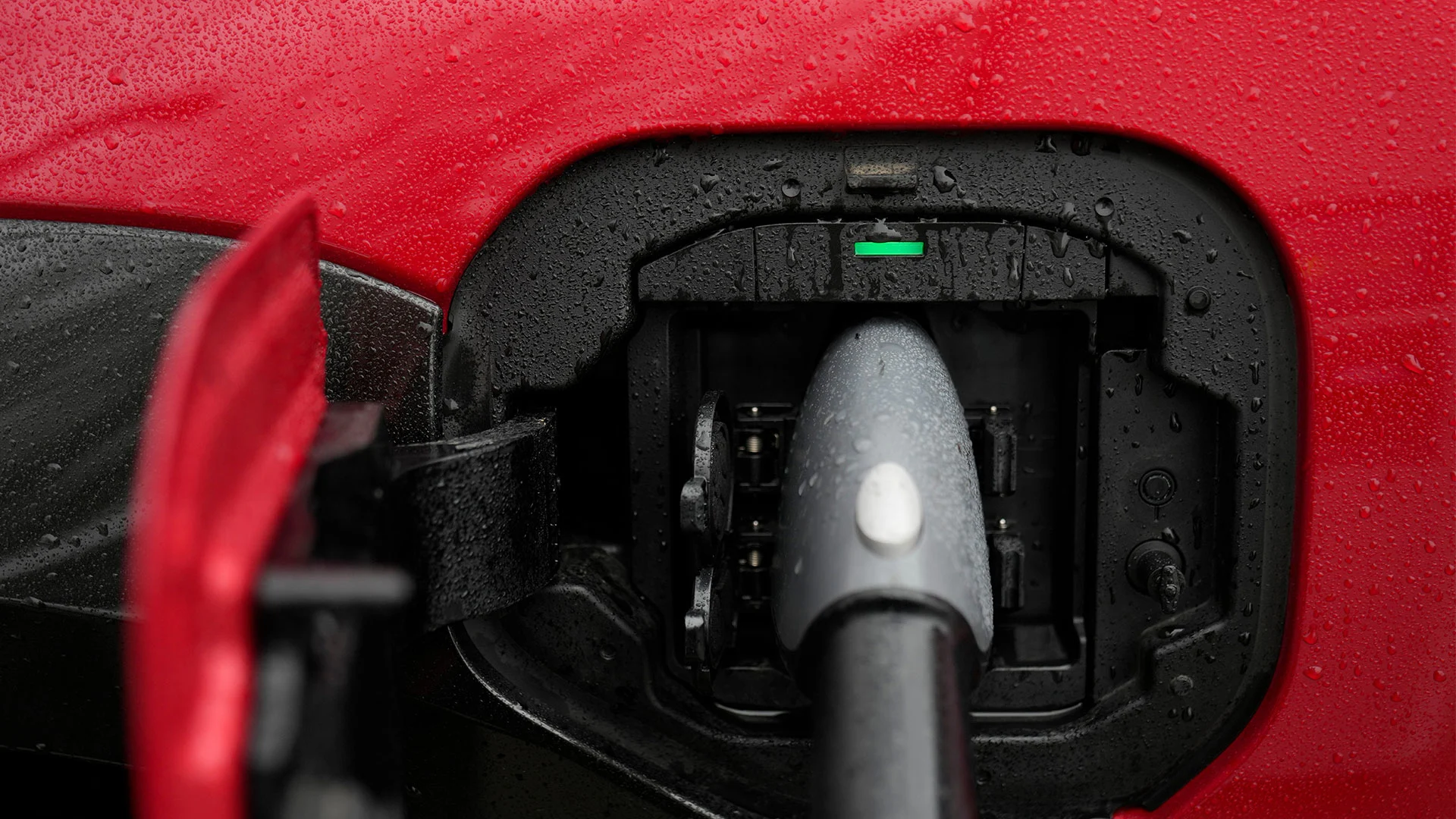
"Drivers of gas-powered vehicles are much more vulnerable to fluctuating prices that result from global conflict than those who charge their cars. The national average for a gallon of regular gas this week was $3.57, up from $2.94 a month ago, according to AAA."
"Residential electricity prices are regulated and are much less volatile than gasoline prices. As a result, EV owners are largely unaffected by oil price shocks. But experts say electricity prices have been increasing nationally for a variety of reasons, including surging power demand from new data centers."
"This is an inflationary event. Is this the driver in electricity prices? I think probably not. But it's certainly a contributing factor. To what extent oil and gas conflicts could translate to the electricity sector is yet to be seen."
Electric vehicle owners experience greater insulation from fuel price shocks compared to gasoline vehicle drivers, as demonstrated by rising gas prices following geopolitical tensions. Residential electricity prices are regulated and significantly less volatile than gasoline prices, protecting EV owners from oil market disruptions. However, electricity rates are increasing nationally due to various factors, including surging demand from new data centers. While geopolitical conflicts may contribute to electricity price increases, they are not the primary driver. The extent to which oil and gas conflicts ultimately affect the electricity sector remains uncertain and depends partly on regional grid power sources.
#electric-vehicles #gas-price-volatility #electricity-rates #geopolitical-impact #consumer-economics
Read at Fast Company
Unable to calculate read time
Collection
[
|
...
]