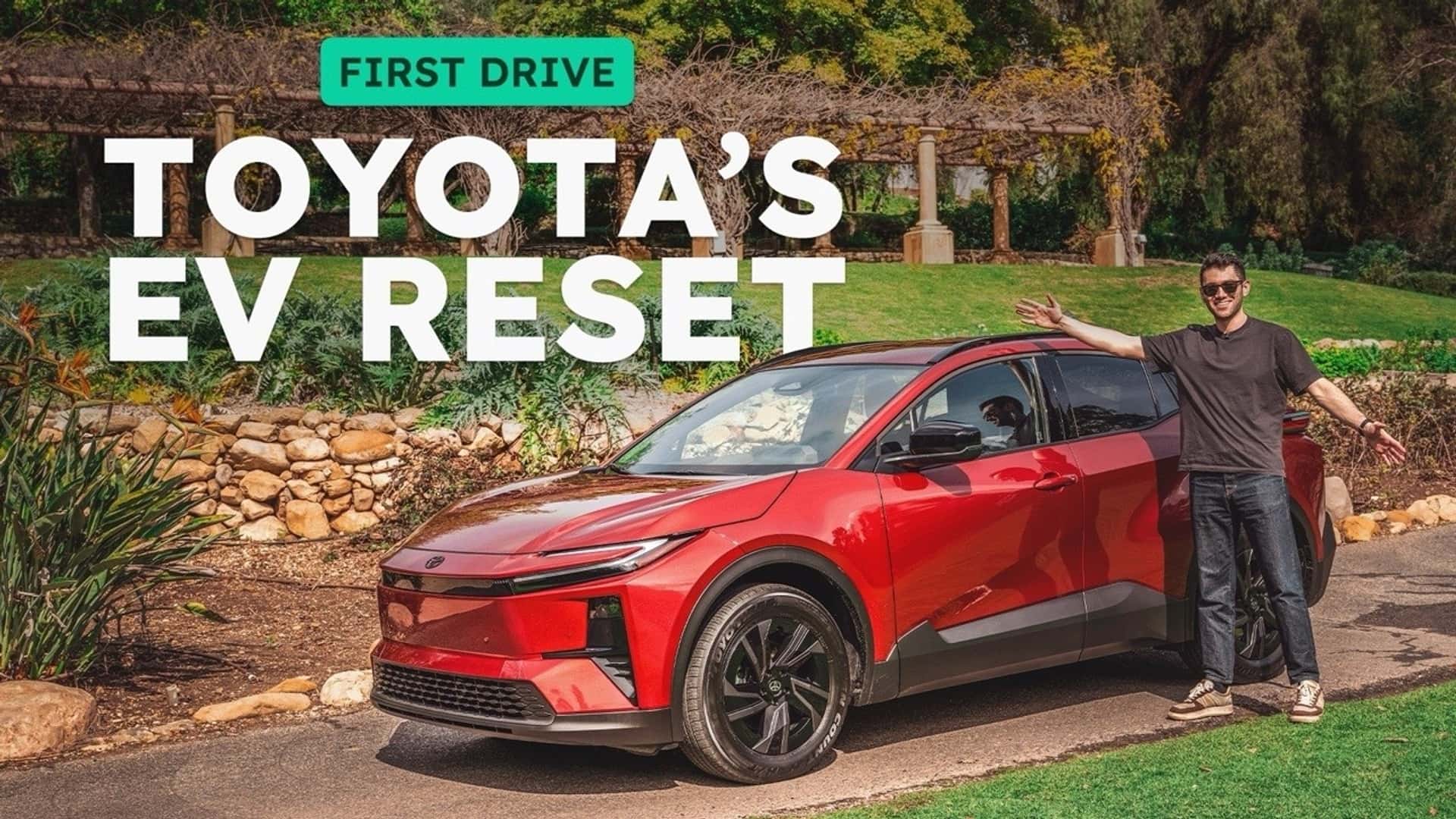
"By the end of 2026, the Japanese automaker is on track to have more electric models on sale in the U.S. than Tesla does. Later this year, the bZ will be joined by the fifth-generation Highlander. The fact that Toyota is converting that popular nameplate to battery power is perhaps the surest sign that it's really getting serious about EVs."
"At the heart of the C-HR is a 74.7 kilowatt-hour battery pack that powers a 338-horsepower all-wheel-drive setup. That's the only configuration for the C-HR right now: dual motors and all-wheel drive. That bumps the price up slightly, but it also results in a punchy little EV that's fun to drive. Toyota quotes a 0-60-mph time of 4.9 seconds."
"After spending some time with the 2026 C-HR, I think it's a solid electric option for the price, and one that fixes some of the shortcomings of Toyota's earlier EVs. But it also falls short on EV-specific features in a way that's hard to excuse in 2026."
Toyota is significantly expanding its electric vehicle offerings in the U.S. market, with plans to have more EV models available than Tesla by the end of 2026. The 2026 C-HR, a compact electric crossover, features a 74.7 kilowatt-hour battery pack powering a 338-horsepower all-wheel-drive system, delivering 0-60 mph acceleration in 4.9 seconds. The C-HR offers quick acceleration, highway comfort, and quiet operation compared to competitors like the Chevy Bolt and Nissan Leaf. Toyota is also introducing the bZ Woodland wagon and converting the popular Highlander nameplate to battery power. While the C-HR represents solid value and addresses shortcomings in Toyota's earlier EVs, it falls short on EV-specific features expected in 2026.
#toyota-ev-expansion #2026-c-hr-electric-crossover #ev-market-competition #all-wheel-drive-performance #electric-vehicle-features
Read at insideevs.com
Unable to calculate read time
Collection
[
|
...
]