"A fortified wine that originated in 19th-century northern Italy, vermouth is most associated with western Europe, but these days it's produced in or close to many wine-producing regions across the world. It is made by aromatising a base wine with botanicals—traditionally wormwood, from which it takes its name (wermut in German), but also gentian, citrus peel, herbs, spices and others—before that's bolstered by grape spirit or brandy, generally taking the ABV to between 15% and 18%."
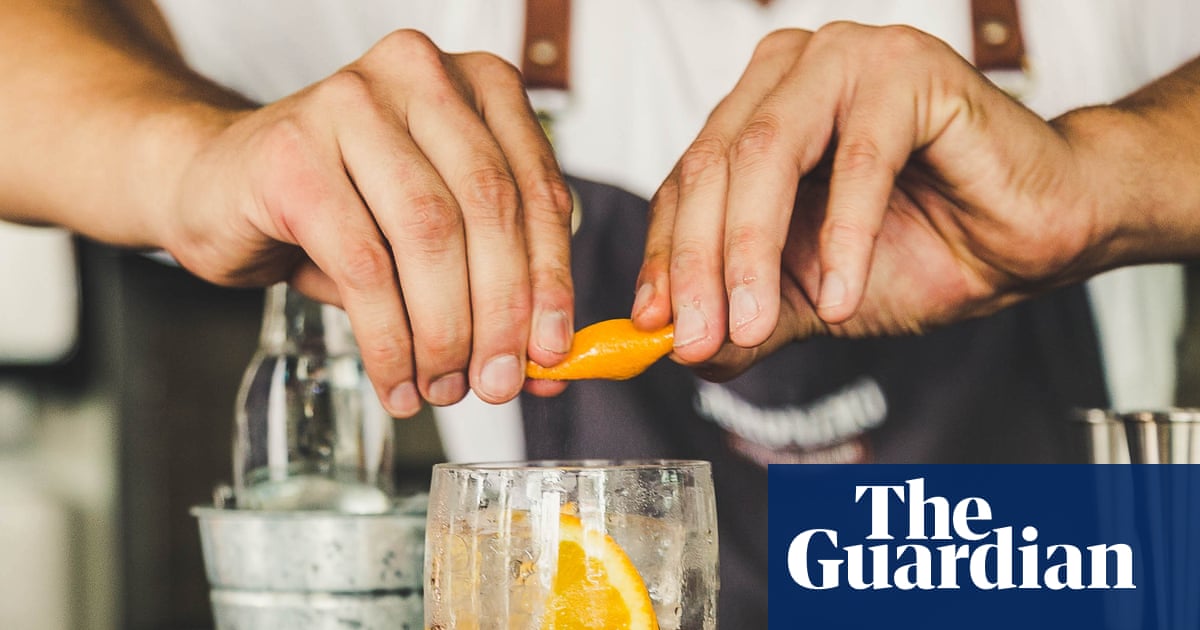
"A vermouth is usually identified simply by its colour and/or dryness, rather than by its unique tasting notes. I only started to appreciate its nuances when I lived in Spain, where a vermut arrives on the rocks, singing from a tumbler with just a simple orange and olive garnish, which allows you to taste something of the base wine with which it started, the flavours of the botanicals used and/or the cask in which it might have been aged."
"I like to think of vermouth as the Nile Rodgers of drinks, a backbone of good times known more for big hit collaborations than for its solo work. It is a foundation of any self-respecting cocktail cabinet (though it should be kept in the fridge), and also a family of drinks with many individual talents, which are now at long last being more widely recognised."
Vermouth, a 19th-century fortified wine from northern Italy, is experiencing renewed popularity with searches up 26% and recognition as a 2026 trend. Made by aromatizing base wine with botanicals like wormwood, gentian, citrus peel, herbs, and spices, then fortified with grape spirit or brandy to 15-18% ABV, vermouth offers significant complexity often overlooked historically. Traditionally identified only by color or dryness rather than unique tasting notes, vermouth deserves appreciation for its nuanced flavors. Drinking vermouth on the rocks with simple garnishes, as done in Spain, reveals the base wine's character, botanical flavors, and aging influences. Different vermouths showcase distinct profiles based on grape varieties and production regions, from palomino-based sherries to tempranillo-based options.
Read at www.theguardian.com
Unable to calculate read time
Collection
[
|
...
]