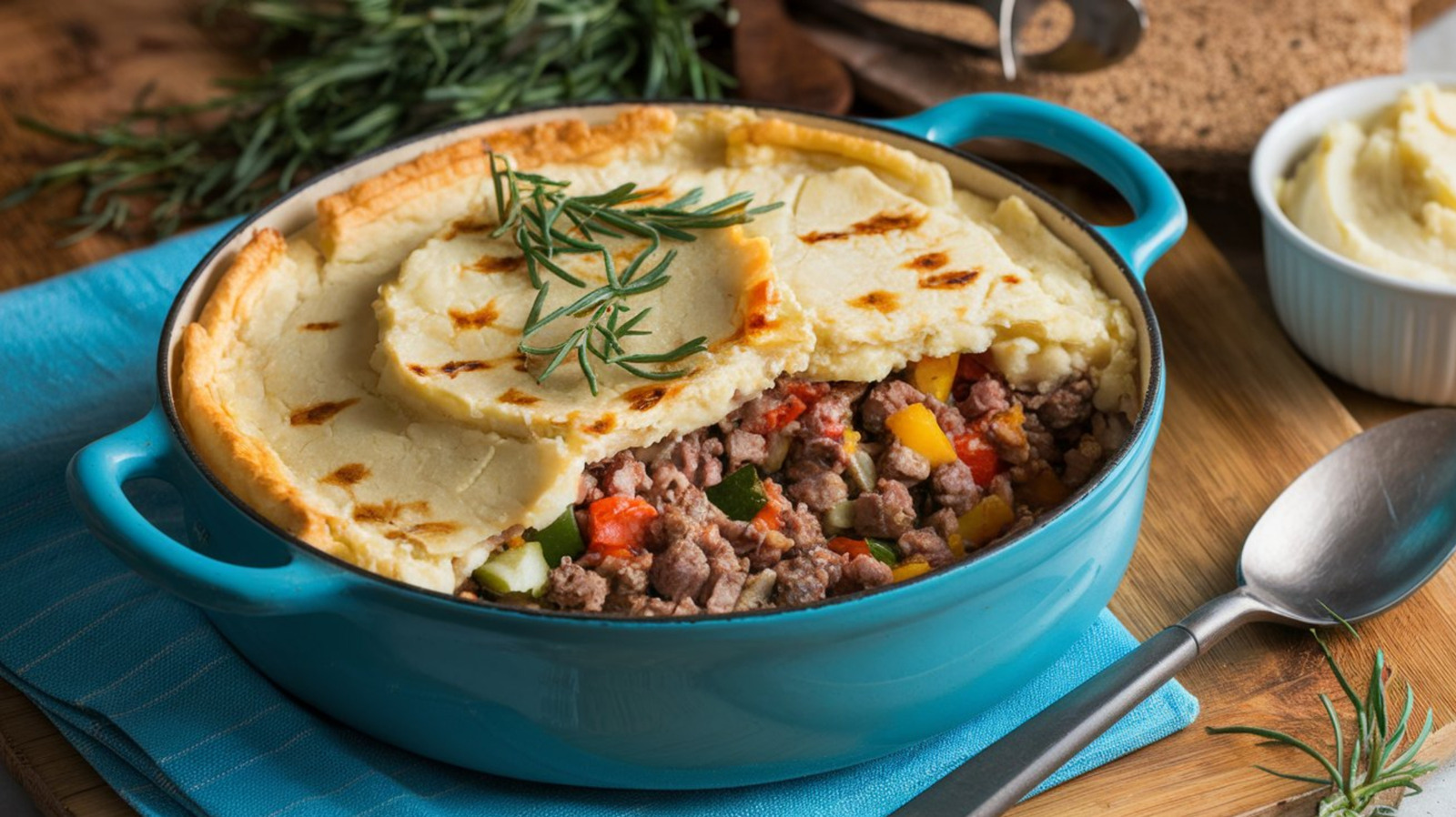
"A good shepherd's pie is the definition of hearty, but it must come together in a vessel that supports its needs from start to finish. According to Danielle Turner, a highly experienced chef and cooking instructor, choosing the wrong pan is one of the most frequent mistakes everyone makes when cooking shepherd's pie. Her advice is to choose a baking dish that conducts heat evenly and gives the filling enough space to burble without erupting."
"Because a shepherd's pie recipe starts on the stovetop, a heavier pan base is better for heat distribution. Lamb needs to brown through direct contact with the metal, so thin pans scorch quickly and create burnt patches that impact the final flavor. A heavier base allows aromatics, vegetables, and meat to cook into a cohesive foundation before the mash is layered on top. Once everything moves to the oven, the dish needs to withstand long baking without warping, circulate heat, and allow moisture to escape."
"A standard 10- or 12-inch cast-iron skillet is one of the best pans to upgrade your homemade shepherd's pie because it can handle the browning phase, and it has enough surface area to give the mashed potatoes room to dehydrate and brown. The metal takes a while to get hot, but it distributes heat cohesively. The skillet's gently sloped sides encourage the pie filling to reduce rather than pool in the center."
Choosing the correct pan determines shepherd's pie texture and flavor. A dish that is too small or shallow causes juices to surge and overflow, creating smoke and off flavors. A pan that is too deep can trap steam beneath the potato layer, leaving a pale, soft surface and a loose, soupy center. A heavier pan base browns lamb properly and prevents scorching, allowing aromatics, vegetables, and meat to form a cohesive foundation before the mash is added. Cookware must also withstand long oven baking, circulate heat, and allow moisture to escape for proper dehydration and browning.
Read at Tasting Table
Unable to calculate read time
Collection
[
|
...
]