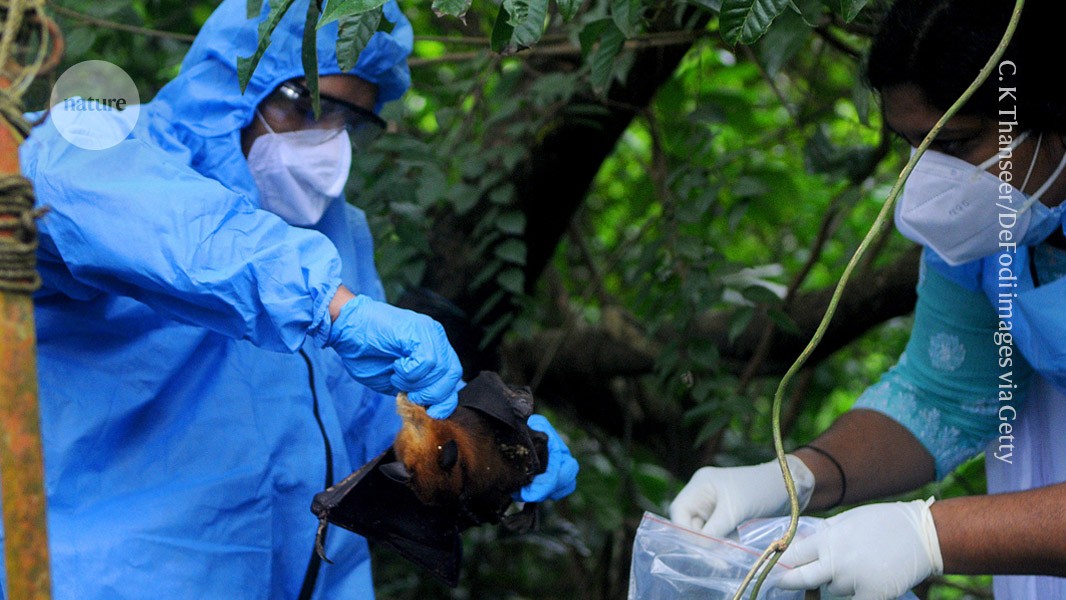
"In a study published in Science Advances, researchers in China fed Aedes aegypti mosquitoes blood that contained either a vaccine against Nipah virus or the rabies virus. The viruses, contained in the vaccines, replicated inside the insects and reached their salivary glands, allowing them to pass on the vaccine when feeding on bats or when the bats ate the insects."
"Laboratory experiments showed that mice and bats that were exposed to vaccine-carrying mosquitoes developed neutralizing antibodies against rabies. When the animals were exposed to the virus, they survived the infection. Similar experiments showed that mice, hamsters and bats also developed antibodies against Nipah virus."
"Bats carry a wide range of zoonotic viruses, often without becoming ill, acting as long-term reservoirs. Vaccinating bats could reduce the risk of these viruses infecting other animals, including people, but delivering vaccines to animals that roost in caves, form large colonies and travel long distances poses logistical challenges."
Scientists engineered Aedes aegypti mosquitoes to carry vaccines against rabies and Nipah virus in their saliva by feeding them vaccine-containing blood. The viruses replicated inside the insects and reached their salivary glands, enabling vaccine transmission when mosquitoes fed on bats or bats consumed the insects. Laboratory tests demonstrated that mice and bats exposed to vaccine-carrying mosquitoes developed neutralizing antibodies against both viruses and survived subsequent viral exposure. Hamsters with similar antibody levels to vaccinated bats also showed protection from Nipah infection. While this approach addresses the logistical challenge of vaccinating cave-dwelling bat colonies, skepticism remains about implementing the strategy in wild populations.
#vaccine-delivery-innovation #zoonotic-disease-prevention #bat-borne-viruses #genetic-engineering #viral-spillover-control
Read at Nature
Unable to calculate read time
Collection
[
|
...
]