"In landscapes where water returns each year, survival is defined by the ability to begin again. Architecture operates through a different set of decisions, calibrated not for permanence, but for reversibility."
"The Khudi Bari housing system in Bangladesh makes this logic explicit: a lightweight bamboo frame reduces structural load, joints allow the structure to be taken apart, and construction relies on local labor rather than specialized processes."
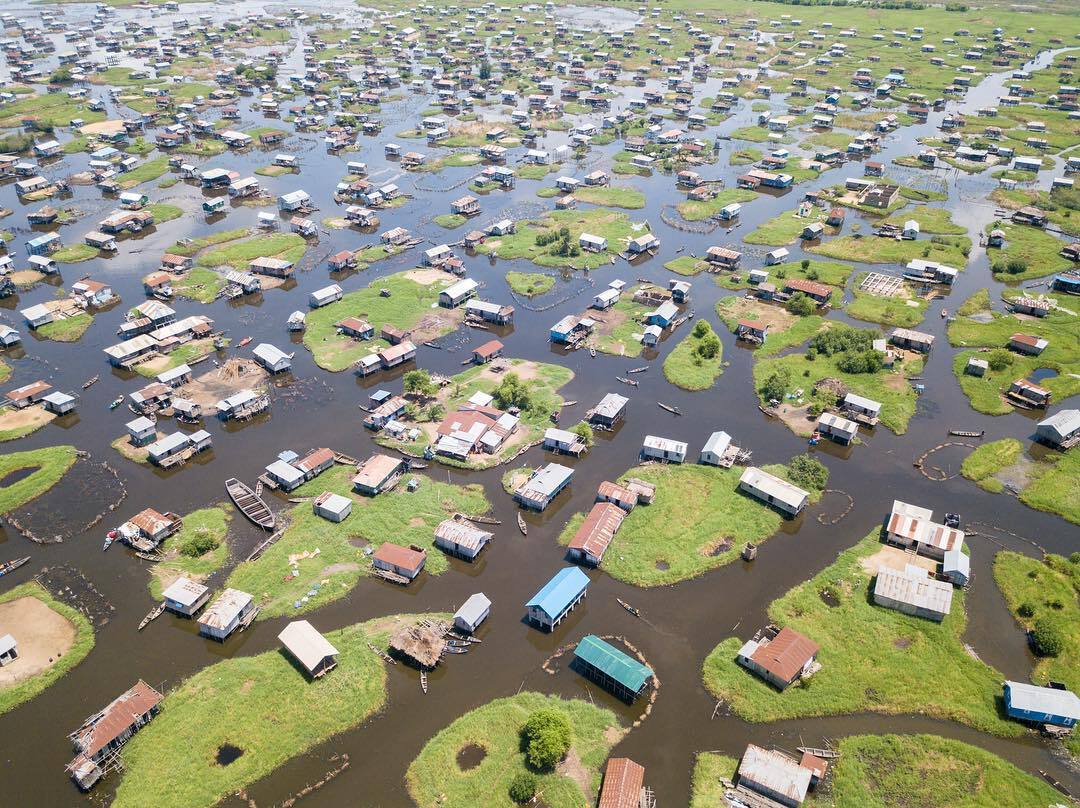
"When flooding is not an interruption but a recurring condition, entire settlements reorganize around water. In Ganvié, houses are elevated on stilts, circulation takes place by boat, and daily life unfolds on a surface that is never fully dry."
Flooding in regions like Bangladesh and the Mekong Delta is a seasonal certainty, requiring architecture that prioritizes reversibility over permanence. Traditional metrics of success focus on resistance and durability, which are inadequate in areas that experience annual inundation. The Khudi Bari housing system exemplifies this approach with its lightweight bamboo frame and disassemblable joints. Communities like Ganvié adapt by elevating homes on stilts and organizing daily life around water, demonstrating that survival hinges on the ability to adapt and rebuild in response to flooding.
Read at ArchDaily
Unable to calculate read time
Collection
[
|
...
]