"For those unfamiliar with this preposterous abomination, it was a box on legs into which the TV was placed to hide it. It was some sort of furniture hangover from the era of covering a piano's ankles lest they cause lustful sweats to break out under the starched collars of young gentlemen. The trouble is, a two-doored, TV-shaped-and-sized box in the corner of the room where the TV would usually be, cables trailing from its rear and armchairs angled towards it, was about as good a disguise as when a child lacking object permanence puts its hand up to its eyes and assumes the rest of the world can't see it."
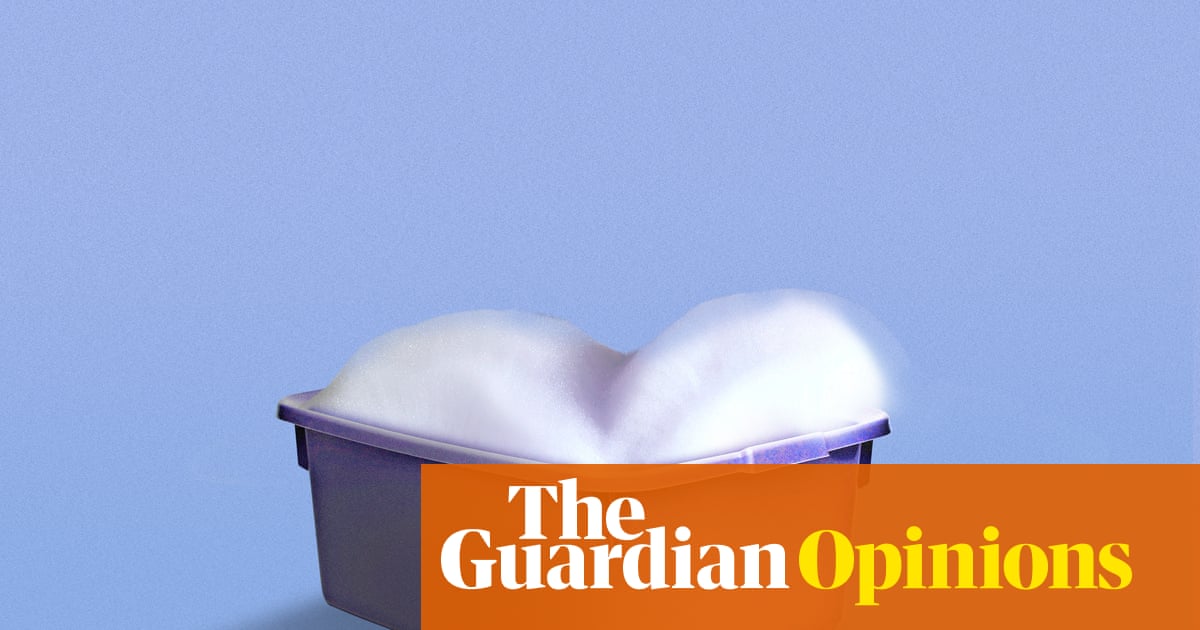
"For something that deals with water and the making cleaner of things, the washing-up bowl has some unsavoury side effects: that sump of waterlogged food clinging to its bottom, for instance. Or the fact that, over time, it becomes furry, sprouting little mussel-like beards of plastic. PLASTIC. That's the other thing. This unnecessary, unhygienic, wan-coloured prophylactic, like so much other tat designed to keep us at one remove from the reality of our homes (toilet-seat lid covers, plug-in air fresheners) is landfill-in-waiting. But it saves water! cry its approbators."
Television cabinets were redundant boxes meant to hide TVs, offering a futile disguise that doubled unnecessary furniture. Similarly, washing-up bowls duplicate sinks, trapping dirty water and food residue and requiring emptying because they lack drainage. Plastic bowls accumulate grime and develop a filmy, beard-like texture over time, contributing to landfill. Such accessories isolate people from household realities and resemble other pointless domestic items. Claims that washing-up bowls save water are dubious when weighed against their practical drawbacks, hygiene issues, and environmental cost. The bowls perform the sink's functions but with reduced utility and added negative side effects.
Read at www.theguardian.com
Unable to calculate read time
Collection
[
|
...
]