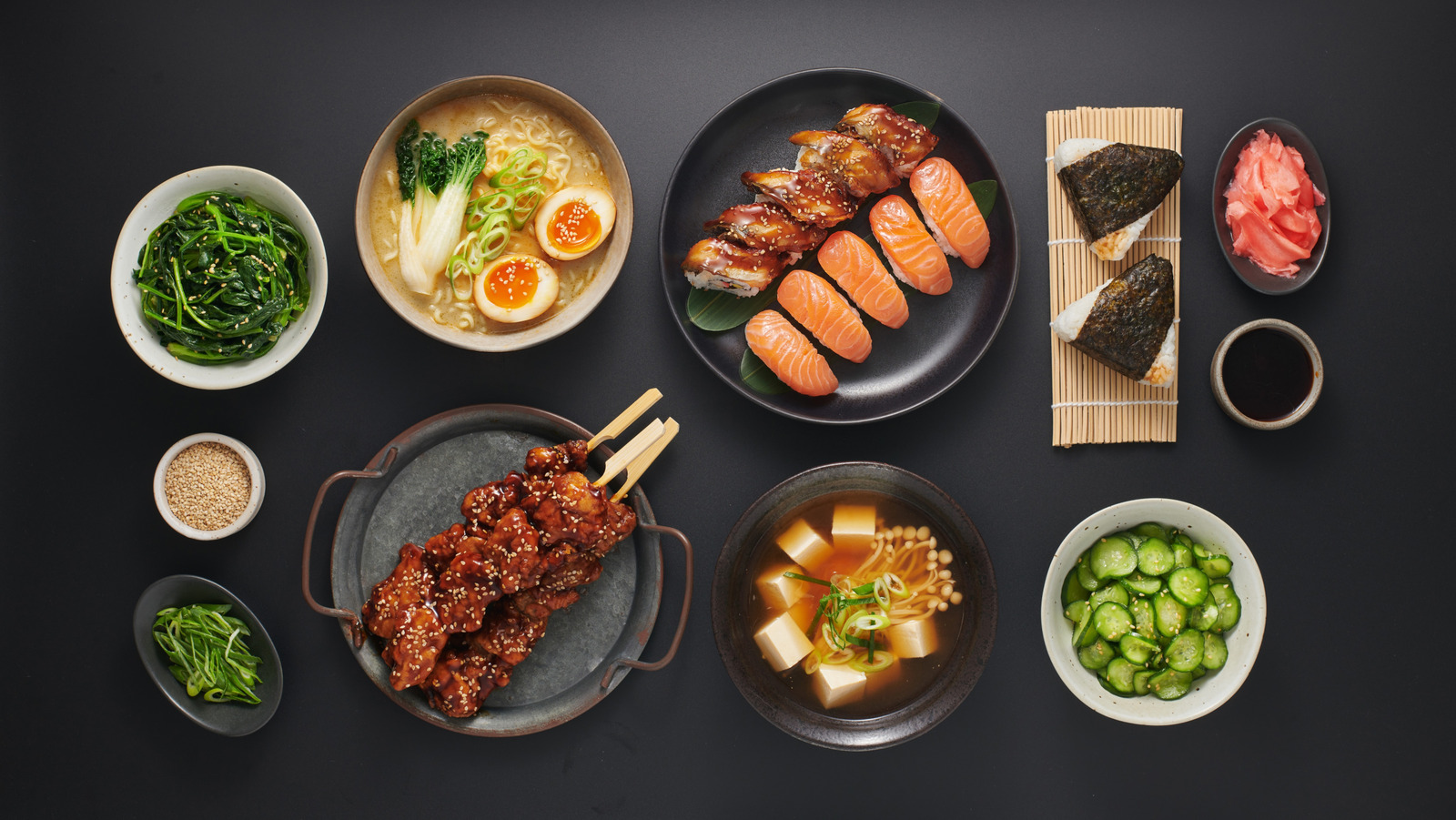
"Taking off your shoes when you enter someone's home is widely practiced, for example, as is bowing as a form of greeting. In a dining setting, there are further guidelines to be aware of as a visitor. In general, politeness and consideration for others are valued above everything else, so if you aren't sure how to comport yourself, you can always fall back on these two basic principles."
"Before the meal, say "Itadakimasu," which roughly translates to "I humbly receive." It's a tradition that stems from Buddhism, which views food as not just something yummy to eat, but as a vital source of life. Rather than being a word of gratitude to a higher power, it is more geared toward the people who prepared the food and the ingredients themselves."
Politeness and consideration for others form the core of Japanese dining etiquette. Basic habits include removing shoes at home and bowing as a greeting, while dining brings additional specific behaviors. Etiquette varies by setting: home cooking and izakaya are more relaxed, while kaiseki, kappo, and chakaiseki meals require precise formalities. Expressing gratitude is central: say Itadakimasu before eating to acknowledge the food and its producers, a practice rooted in Buddhist views of food as life. After eating, say Gochisōsama deshita to thank those involved in preparing the meal.
Read at Tasting Table
Unable to calculate read time
Collection
[
|
...
]