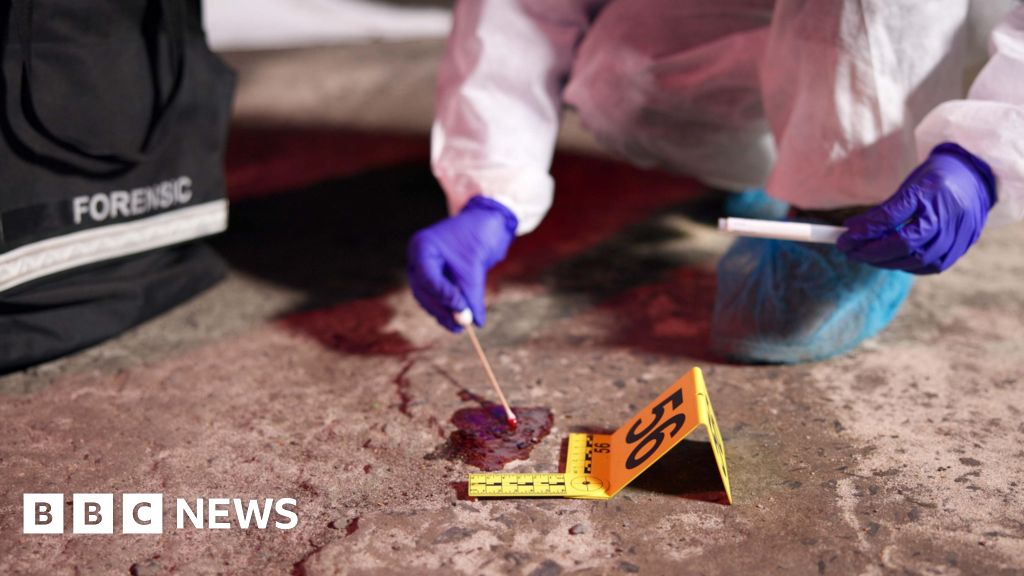
"Elimination databases are used to exclude police officers' DNA or fingerprints from crime scene samples, helping to prevent contamination from being mistaken for a suspect's profile. However, the missing data could potentially hamper the force's ability to catch criminals in their own ranks."
"Of the 32,431 Met Police officers, 17,458 have their DNA on the force's elimination database, which is 53.8%, while 25,802 have their fingerprints on the elimination database - 79.6%. In November 2024, the London Standard reported that around half of the Met's officers could be missing from its own DNA and fingerprint databases."
"It is understood a new database has been established to track the career lifecycle of biometric data samples associated with serving officers to ensure continuity and the Met is 'confident' its processes have been assured. The Met also says it has developed a more reliable data process to identify individuals whose data is missing, addressing legacy records and data quality issues."
The Metropolitan Police is missing biometric data for a significant portion of its workforce. Of 32,431 officers, only 53.8% have DNA on the elimination database and 79.6% have fingerprints recorded. Elimination databases exclude officers' biological profiles from crime scene samples to prevent contamination from being mistaken for suspect evidence. The force aims to complete data collection by March 2028. A new tracking system has been established to monitor biometric data throughout officers' careers, and improved processes identify missing records and address legacy data issues. Despite these efforts, the percentage of officers with DNA on file has increased minimally in the past 15 months.
#police-biometric-data #dna-elimination-databases #metropolitan-police #criminal-investigation #data-management
Read at www.bbc.com
Unable to calculate read time
Collection
[
|
...
]