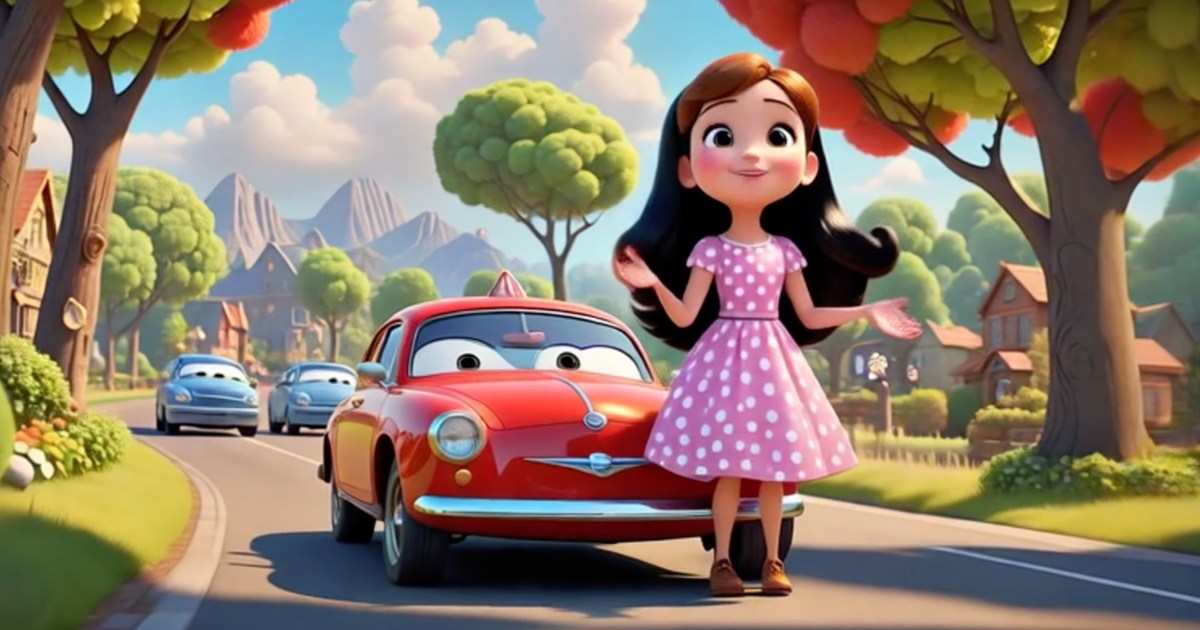
"In one video that's supposed to be a nursery rhyme about cars, children ride without a seatbelt and walk in the middle of a road with moving cars behind them. Another AI-generated sing-a-long video about the US's 50 states shows garbled state names that don't match up with the vocals, as kids are asked to learn about "Ribio Island," "Conmecticut," "Oklolodia," and "Louggisslia.""
"Carla Engelbrecht, who's worked for children's media brands like Sesame Street and PBS Kids, found other child-targeted AI videos showing a baby swallowing whole grapes, which is a choking hazard, or eating honey, which can kill infants. Another showed a baby eating an apple that oozed blood."
""We're at the beginning of a monster problem, and we have to get hold of it quickly," Kathy Hirsh-Pasek, a professor of psychology and neuroscience at Temple University, told The 74. "This is not neutral content," echoed Dana Suskind, a professor of surgery and pediatrics at the University of Chicago. "I think of this as toddler AI misinformation at an industrial scale. It's very risky for the developing brain.""
YouTube hosts numerous AI-generated videos marketed as educational content for children that contain harmful lessons and dangerous misinformation. These videos depict unsafe behaviors including children riding without seatbelts, walking in traffic, and consuming choking hazards like whole grapes and honey. Some videos feature garbled, incomprehensible content with distorted state names and nonsensical vocals. Experts warn this represents a significant emerging problem, with AI-generated misinformation being produced at industrial scale. Researchers from children's media organizations and academic institutions emphasize the content poses serious risks to developing brains, as parents increasingly rely on YouTube for childcare. The exact scope remains unclear, but the rapid proliferation of such content demands urgent attention and intervention.
Read at Futurism
Unable to calculate read time
Collection
[
|
...
]