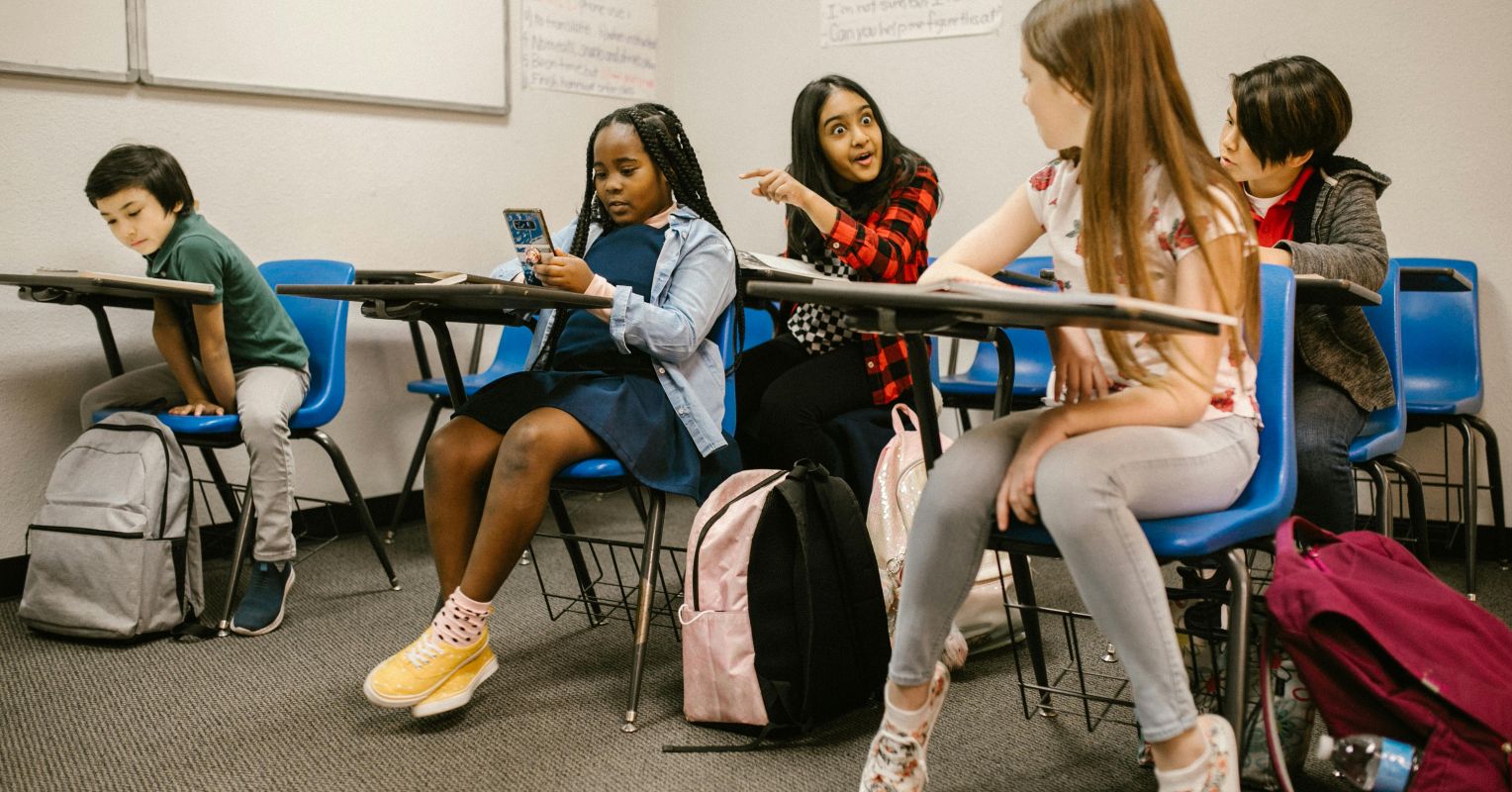
"Most schools and classrooms are structured around the kids who aren't struggling (either that, or there are just some kids who are going to do well pretty much no matter what). But what would we do differently if we structured things in the opposite direction? Safe in the belief that what works for those who are struggling also works for those who aren't (and knowing that the reverse is not true), what structures, belief systems, and practices would we change?"
"Developmental variability refers to the natural differences or fluctuations in how individuals develop over time. It applies to all domains of functioning-cognitive/academic, emotional, physical, and social-and it's guaranteed to be walking into your school and classroom. Amazingly enough, it's a term we don't hear very often in educator training or in schools. And yet, it's your reality. We should embrace it."
"The good news is that developmental variability isn't something you need to change; it's something you need to focus on, be responsive to, and plan for with intentionality. The quality of a school is measured by the degree to which it is responsive to the developmental variability of its students. (By the way, a good synonym for developmental variability is diversity.)"
Developmental variability refers to the natural differences and fluctuations in cognitive, academic, emotional, physical, and social growth that students bring into classrooms. Schools should embrace and plan intentionally for that variability rather than trying to change it. The quality of a school is measured by how responsive its structures are to students' developmental diversity. Good teaching is defined as meeting every student where they are, pursuing high yet individualized expectations, and maximizing each student's growth relative to their own baseline. Equitable practice requires tailored supports, flexible classroom ecosystems, and belief systems that prioritize the needs of struggling learners while benefiting all students.
Read at Psychology Today
Unable to calculate read time
Collection
[
|
...
]