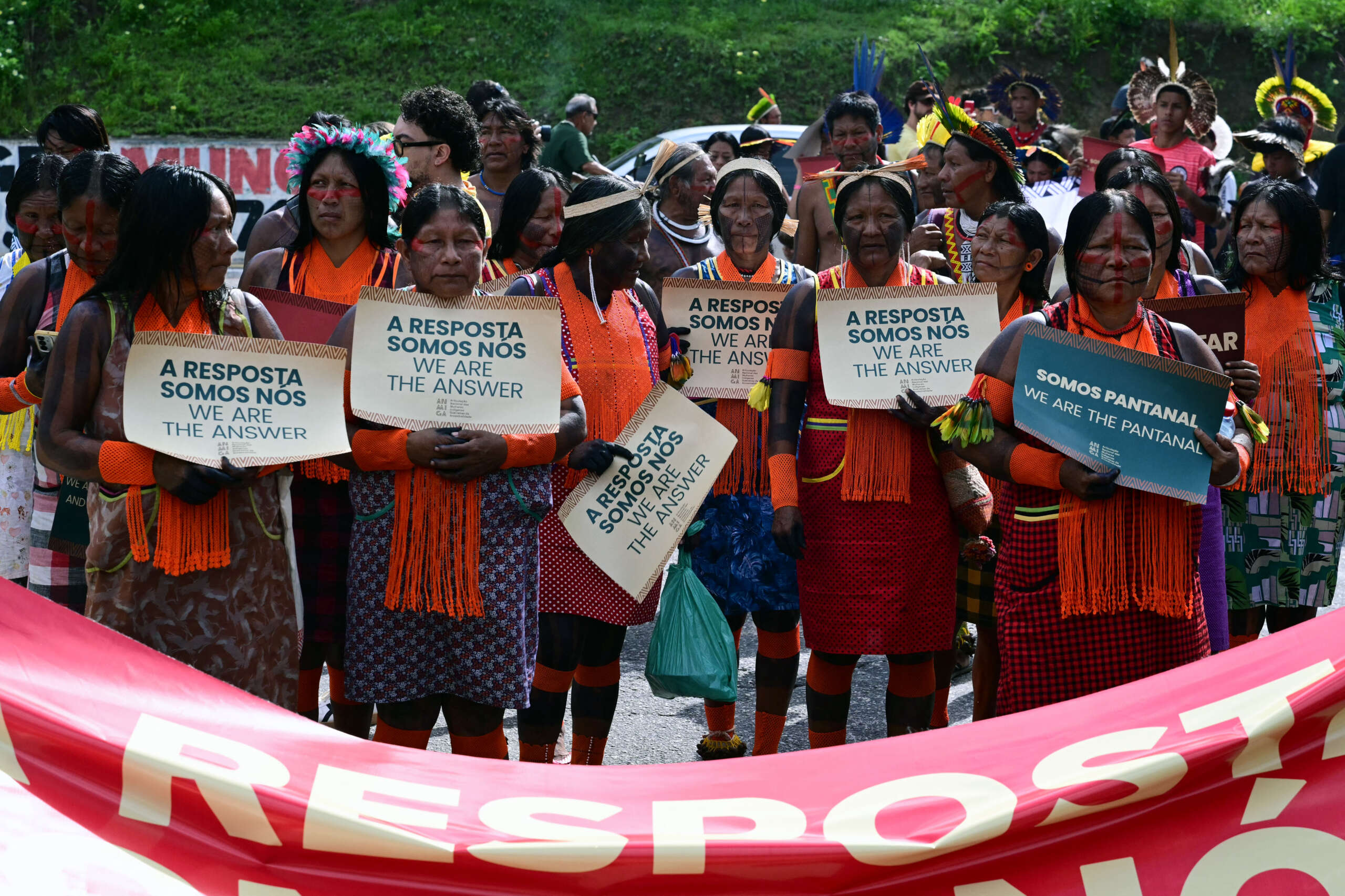
"The authors say the effects of this "repertoire of repression" are threefold. First, a risk of legal sanctions, carceral punishment, and violence diverts resources from movements and deters environmental action. Second, criminalization delegitimizes climate movements in the public eye by framing them as counterproductive, criminal, or dangerous. And third, that criminalization and enforcement of new legislation diverts attention from climate change by focusing conversations on 'extremists' and 'eco-terrorists' opposed to the public interest."
"And third, that criminalization and enforcement of new legislation diverts attention from climate change by focusing conversations on 'extremists' and 'eco-terrorists' opposed to the public interest. "Underlying all of this, we can see very clearly over the last few years there's been an incessant vilification of climate and environmental activists around the world," said Oscar Berglund, a co-author of the report. "Media and politicians are very much involved and this kind of vilification feeds into all these kinds of repressions.""
Efforts to repress climate and environmental protest are expanding globally through new legislation, novel uses of legal processes, police action, vilification of activists, and instances of violence and killings. Repression is likely to intensify as authoritarian regimes roll back climate policies, including actions that criminalize protest, expand police powers, and publicly attack environmental commitments. Legal sanctions and carceral punishment divert resources from movements and deter activism. Criminalization delegitimizes climate movements by framing them as counterproductive or dangerous. Enforcement and media vilification shift public attention toward so-called "extremists" and away from substantive climate response. Data from 14 countries document these patterns.
Read at Truthout
Unable to calculate read time
Collection
[
|
...
]