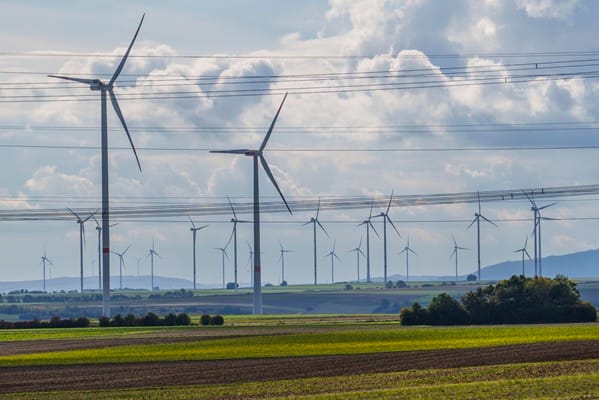
"The clean energy transition remains a hot topic for both short- and long-term investors worldwide. It's a multi-faceted allocation theme with capital increasingly spread across the full system, from power generation and networks to the materials that sit upstream in the supply chain. A sizable portion is directed towards clean-energy technologies and enabling infrastructure such as power grids, storage, efficiency, and electrification. The trend is changing how family offices and funds frame implementation. The sheer diversity of available exposures provides a range of choices."
"Weighing up all the factors to determine what part of the transition is actually being underwritten. In public markets, exposures often show up through utilities, grid equipment, and developers. In private markets, structures can range from contracted infrastructure cashflows to growth-stage manufacturing, where outcomes can depend on permitting timelines, construction execution, and financing conditions. Recent European power data illustrate why the underlying drivers are an important consideration."
"Wind and solar generated 30% of EU electricity in 2025, slightly above fossil generation at 29%. At the same time, reports that North Sea countries pledged to jointly deliver 100 GW of offshore wind power underscore that the energy transition continues to lean heavily on large-scale infrastructure and cross-border buildout. Rare earths and critical minerals have also moved closer to the centre of the energy transition discussion as they are a crucial raw component in wind power generation, amongst other related applications."
Clean energy capital flows across the entire system, from power generation and networks to upstream materials in the supply chain. Investment targets include power grids, storage, efficiency, electrification, utilities, grid equipment, developers, and growth-stage manufacturing. Public-market exposures often arise through utilities, grid equipment and developers, while private-market structures range from contracted infrastructure cashflows to manufacturing where permitting, construction and financing drive outcomes. Wind and solar supplied 30% of EU electricity in 2025, slightly above fossil generation at 29%, and North Sea countries pledged 100 GW of offshore wind. Rare earths and critical minerals are essential inputs, raising industrial and geopolitical investment considerations for family and large-scale investors.
Read at London Business News | Londonlovesbusiness.com
Unable to calculate read time
Collection
[
|
...
]