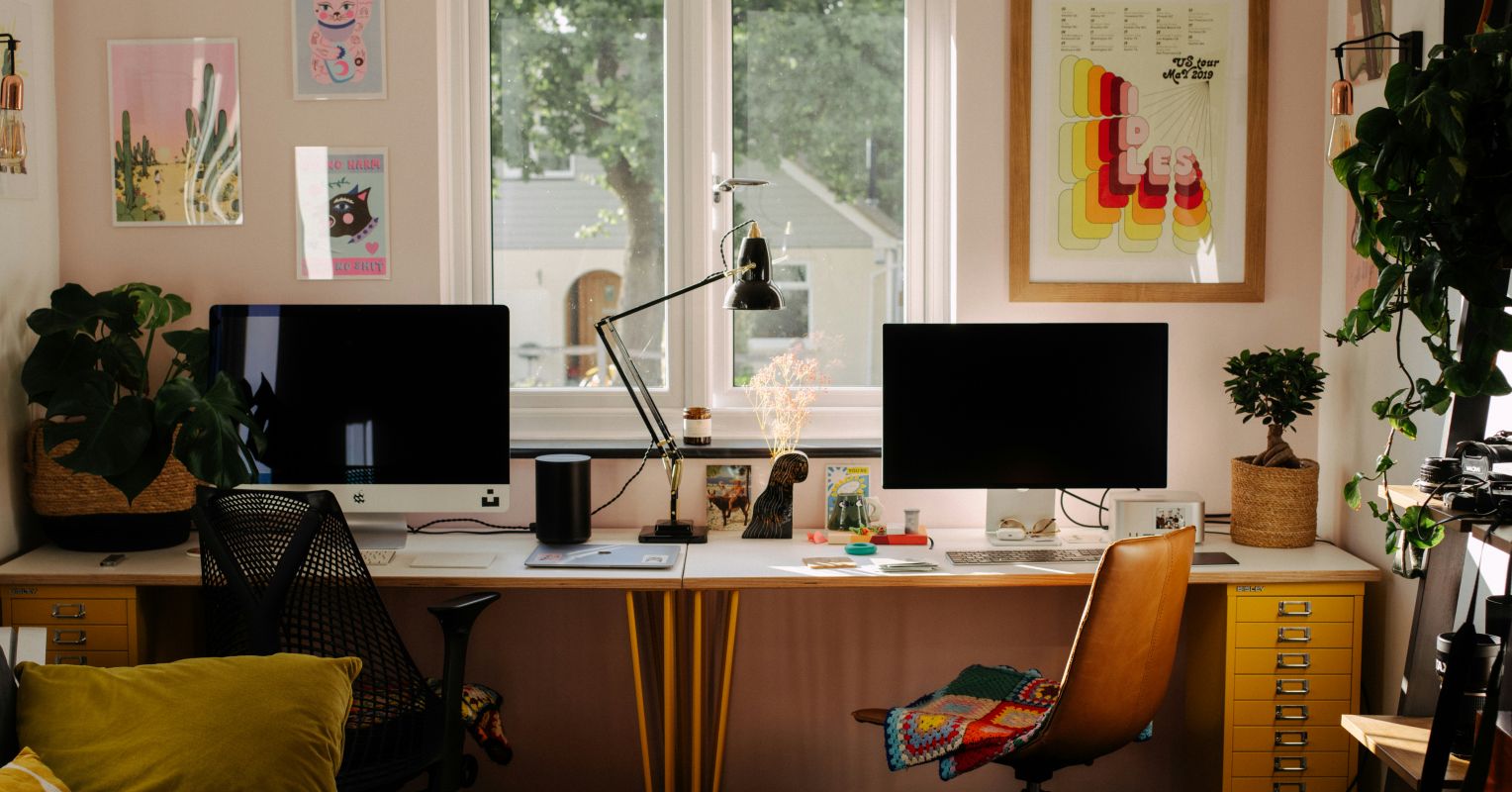
"But sometimes it's space that keeps people stuck. That is, sometimes the physical space in which we work shapes the inner space in which we imagine. As winter arrives, many of us spend longer hours indoors, advancing ideas through screens in rooms that were likely not designed to hold sustained attention or imagination. I want to share ideas and recent research findings on how physical environments influence mood, cognitive flexibility, and ability to move ideas forward."
"For decades, leaders in environmental psychology have been pointing to the fact that physical environments influence cognitive performance, emotional regulation, and creative problem-solving. Research on indoor work environments shows that physical space actively influences how we think, focus, and solve problems. A large review of workplace environment studies, published in the Journal of Management, concludes that lighting, spatial layout, noise, and visual complexity reliably affect employees' cognitive performance, well-being, and creative engagement (Oyedeji, Ko, & Lee, 2025)."
Physical environments shape the inner space of imagination and influence mood, cognitive flexibility, and capacity to advance ideas. Winter increases indoor time for knowledge workers, often in rooms not designed for sustained attention or creative work. Lighting, spatial layout, noise, and visual complexity reliably affect cognitive performance, well‑being, and creative engagement. Poorly designed indoor settings increase fatigue and reduce task performance, while well‑regulated conditions support sustained attention and mental efficiency. Small, targeted adjustments to workspace conditions can change how the mind meets work and improve focus, ideation, daydreaming, and the ability to move ideas forward.
Read at Psychology Today
Unable to calculate read time
Collection
[
|
...
]