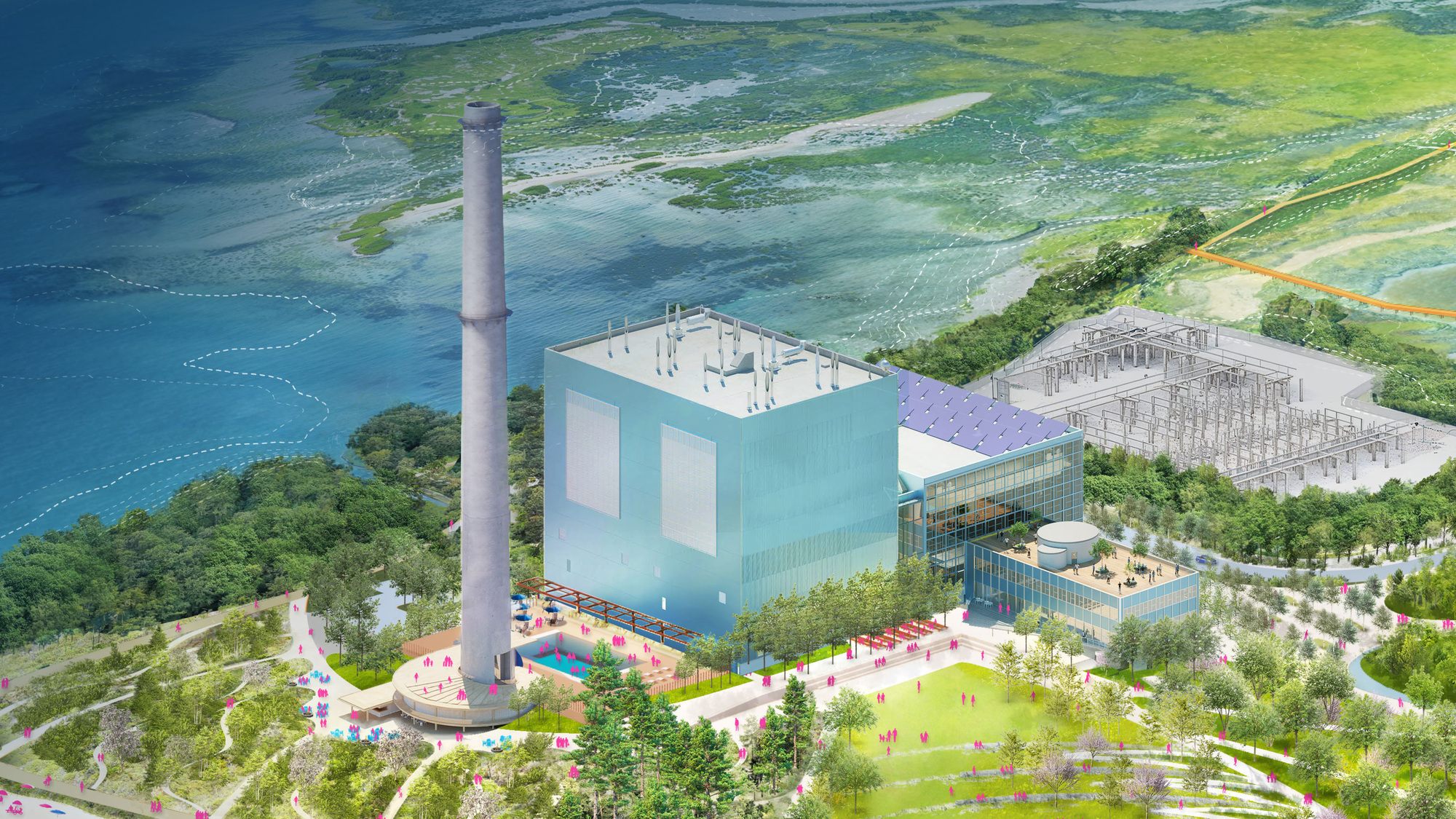
"Following the receipt of a stewardship permit from Connecticut's Department of Energy and Environmental Protection in December 2025, the project will move forward in phases, beginning with the opening of the 28-acre Northern Forest in spring 2027. Subsequent phases, extending into the early 2030s, will deliver the majority of the restored landscape and the adaptive reuse of the 1960s-era power plant as a year-round civic and educational hub, opening nearly two miles of coastline that have been closed to the public for decades."
"Since the project's announcement in October 2024, the nonprofit has engaged more than 3,000 community members through public meetings, surveys, site tours, and consultations with neighborhood groups, educators, and civic leaders. Public feedback emphasized the desire for a more natural landscape with reduced programming intensity and sensitivity to adjacent habitats and residential areas."
"Natural areas and habitat protection zones have been expanded by approximately 30 percent, while hardscape and active features have been reduced by half. The most intensive amenities have been consolidated toward the southern end of the site, and lighting and water features have been minimized to limit impacts on wildlife and nearby residents."
Manresa Island Corp. is developing Manresa Wilds, a 125-acre waterfront park on a former power plant site in Norwalk along Long Island Sound. The project, designed by SCAPE and BIG, will restore polluted industrial shoreline into accessible coastal landscape. After receiving a stewardship permit in December 2025, development begins with the 28-acre Northern Forest opening spring 2027, with subsequent phases extending into the early 2030s. The adaptive reuse of the 1960s power plant will serve as a civic and educational hub, opening nearly two miles of previously closed coastline. Community engagement with over 3,000 residents shaped the design, resulting in expanded natural areas and habitat zones by 30 percent, reduced hardscape by half, and consolidated intensive amenities toward the southern end.
#waterfront-park-development #industrial-site-remediation #community-engagement #habitat-restoration #adaptive-reuse
Read at ArchDaily
Unable to calculate read time
Collection
[
|
...
]