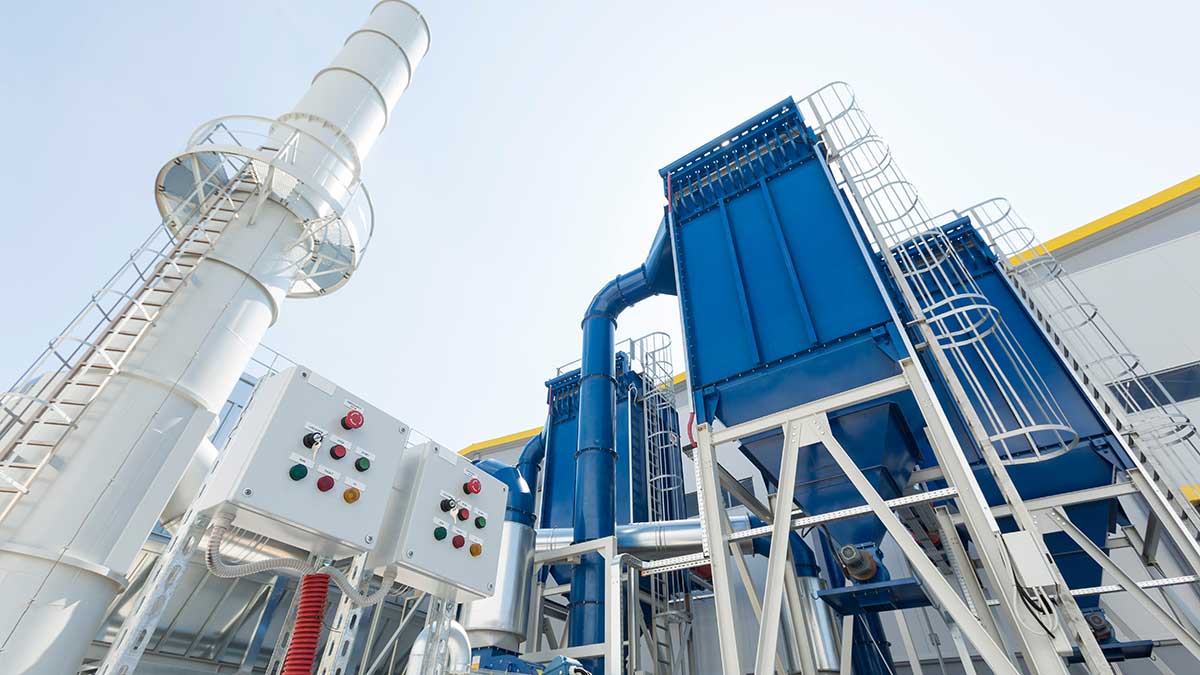
Pyrolysis heats plastic at very high temperatures in little or no oxygen, preventing burning and producing an oily liquid that can become fuel or be reused to make new plastic. The plastics industry markets the process as advanced recycling or chemical recycling. Pyrolysis plants are currently treated as incinerators under Clean Air Act Section 129, which requires limits on nine pollutants including dioxins, heavy metals, and fine particles. The proposed EPA rule would move pyrolysis plants to Clean Air Act Section 111, which covers fewer pollutants. The change could weaken pollution controls, increase toxic emissions, and place greater burdens on nearby low-income and predominantly Black, Latino, or Indigenous communities.
"Pyrolysis involves heating plastic to very high temperatures in a container with little or no oxygen, preventing it from burning as it melts. The plastic breaks down into an oily liquid that can be used to make fuel, or it can be mixed back into the process that creates new plastic. The plastics industry calls this "advanced recycling" or "chemical recycling." Environmental groups, such as the Ocean Conservancy, have called the process "the latest plastics industry deception.""
"Currently, the EPA treats pyrolysis plants as incinerators, restricting the release of toxic chemicals. The proposed rule would redefine them as factories, altering longstanding pollution controls. Though it may seem minor, this rule change would weaken key pollution protections for pyrolysis plants. The result could be increased toxic emissions, with the burden falling on nearby communities-often low-income or predominantly Black, Latino, or Indigenous neighborhoods."
"The Clean Air Act is the federal law that limits air pollution. One part of it - Section 129 - sets strict rules for incinerators. It requires them to limit nine kinds of pollutants, including dioxins, heavy metals, and tiny particles that lodge deep in human lungs. Pyrolysis plants have been covered by these rules since 2005. The EPA's new proposal would move them from Section 129 to Section 111, which covers fewer pollutants."
#epa-rulemaking #clean-air-act #pyrolysisadvanced-recycling #air-pollution-controls #environmental-justice
Read at Earth911
Unable to calculate read time
Collection
[
|
...
]