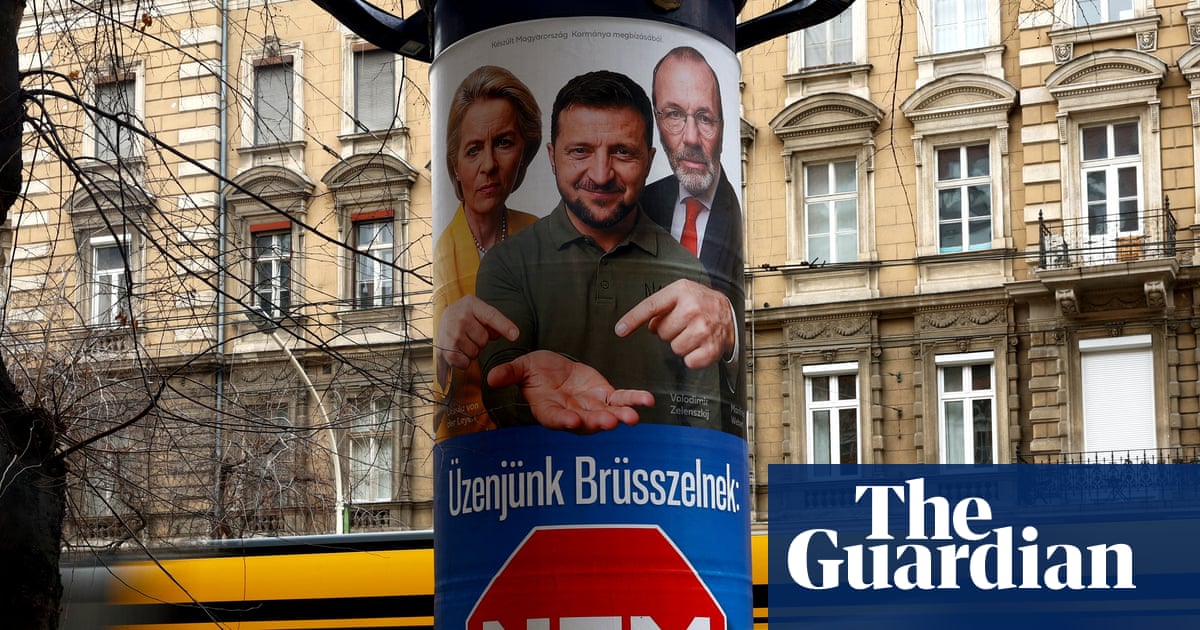
"Effectively, Ukraine is portrayed as a main enemy, said Zsuzsanna Vegh, an analyst at the German Marshall Fund. This is not just about Ukraine per se, but it fits into the standard strategy of the governing party, of mobilising its electorate through generating fear in society."
"In 2018, when Orban was seeking a third consecutive term as prime minister, he and his Fidesz party sought to stoke fears about migration. In 2022, as voters headed to the ballot box five weeks after Russia launched its full-scale invasion of Ukraine, Orban peddled the baseless claim that the opposition would send Hungarian troops to fight in the war."
"Besides the rhetoric, AI is extensively used to portray false messages and images to strengthen the government's message. We definitely see a significant escalation, said Vegh."
Viktor Orban's Hungarian government has launched a widespread propaganda campaign using AI-generated billboards, radio spots, television advertisements, and social media content portraying Ukraine and EU officials as threats to Hungary. The campaign features messaging like "We won't pay!" and positions Ukraine as Hungary's greatest enemy rather than addressing actual issues like deteriorating social services, rising costs of living, and economic stagnation. This strategy follows Orban's historical pattern of using fear-based messaging to mobilize voters—previously targeting migration in 2018 and spreading false claims about opposition plans to send troops to Ukraine in 2022. The current escalation occurs as Orban faces unprecedented electoral pressure from Peter Magyar, a former member of his own Fidesz party. Beyond domestic propaganda, Orban's government has blocked EU sanctions against Russia and a loan to Ukraine, citing disruptions to Russian oil supplies.
#hungarian-politics #ai-generated-propaganda #viktor-orban #ukraine-hungary-relations #election-strategy
Read at www.theguardian.com
Unable to calculate read time
Collection
[
|
...
]