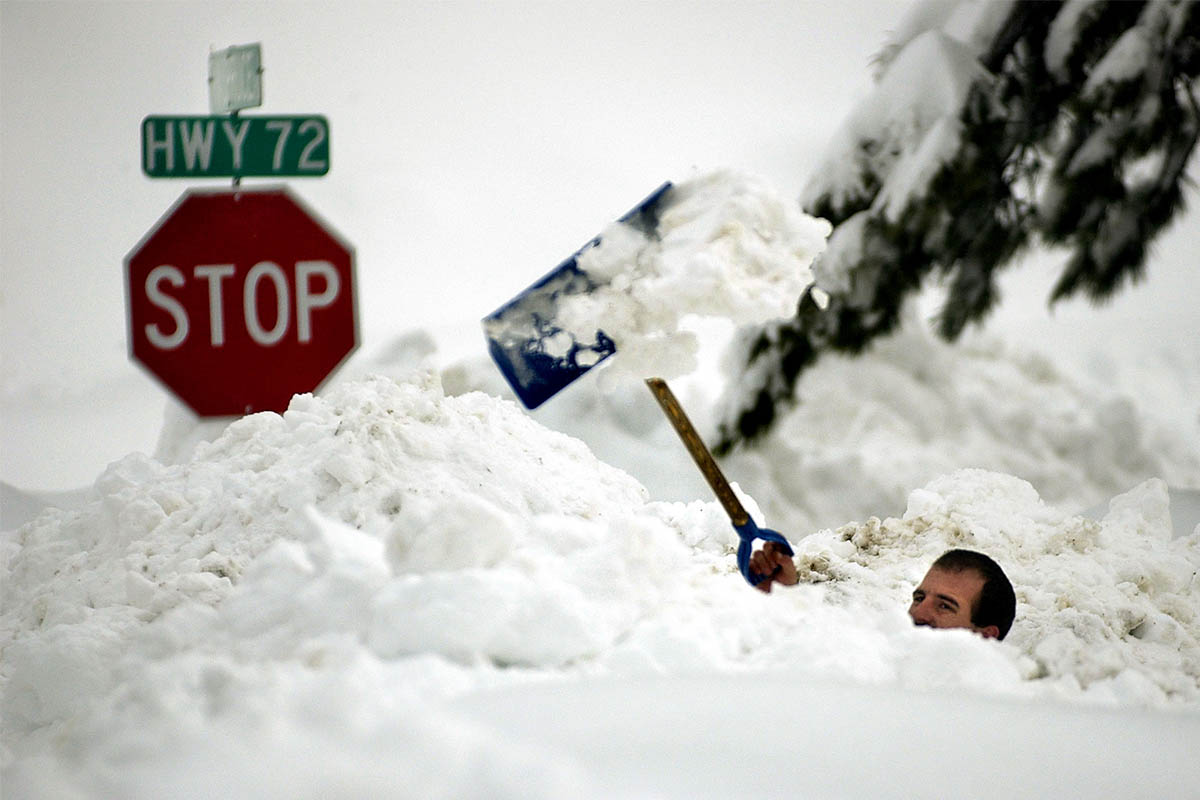
"I know what I should be doing, in theory. Assume a wider stance than usual, bend the knees a bit, engage the core, tilt the hips forward. It's an athletic endeavor - just like yardwork - so I should be in an athletic position. But it's also cold out there, I've got other stuff to do and the shovel keeps colliding with that uneven lip on the pavement."
"When I walk around the gym floor, picking up weights and putting them back down, my mind is always playing sound bites from old trainers. I think about breath, patience and form. For instance, there's a correct way to pick a weight up off the floor or rack. The body's natural inclination is to twist, sourcing momentum and power from the low back, but that only invites soreness."
Shoveling snow is awkward and infrequent, often executed hurriedly with poor form that raises injury risk. Proper technique includes a wider stance, bent knees, engaged core and a forward hip hinge to treat the task like an athletic lift. Avoid twisting and instead use legs and hips to generate force, preventing low-back strain. Snow-filled shovels can range from light (~10 pounds) to very heavy (25–50 pounds), imposing substantial load. Strains from shoveling can cause persistent pain that outlasts the snowpack. Performing targeted post-shoveling stretches for the 'shoveling muscles' helps mitigate irritation and reduce future injury risk.
Read at InsideHook
Unable to calculate read time
Collection
[
|
...
]