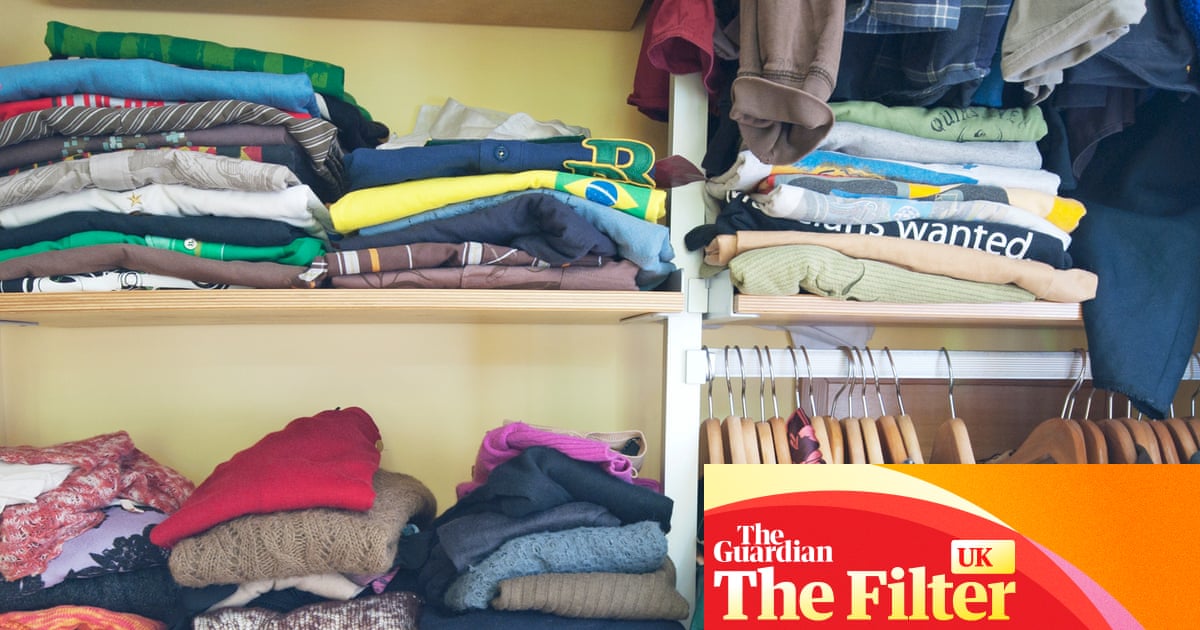
"Have you even started the new year if you haven't thought about having a wardrobe clearout? A recent trip to my local supermarket suggests that residents of my home town have been doing just that in their droves, with textile recycling bins overflowing on to the pavements. And we may think donating our unwanted clothes does us a favour while helping out someone else and potentially the environment, but there's a chance we could be doing the exact opposite."
"Because our clothing is so overproduced in such large quantities, when you donate to charity, often it's not getting resold, says Aja Barber, author of the book Consumed. And she warns that much of our donated clothing won't end up in the well-intended places we had hoped it would. [It] will most likely end up in landfill or be exported in the waste colonialism chain,"
Textile recycling bins are overflowing as residents clear out wardrobes. Large-scale clothing overproduction means many donated items are unsellable. Unsellable donations frequently go to landfill or are exported to countries such as Ghana, Kenya and Uganda, creating pollution and a cycle described as waste colonialism. Reselling preloved fashion can provide income and reduce waste. Online resale platforms and in-person sales are growing in popularity, driven by cost-of-living pressures and environmental concerns. Vinted is noted for ease of use as a resale option. A considered clearout involves reselling, selective donation, and responsible recycling.
Read at www.theguardian.com
Unable to calculate read time
Collection
[
|
...
]