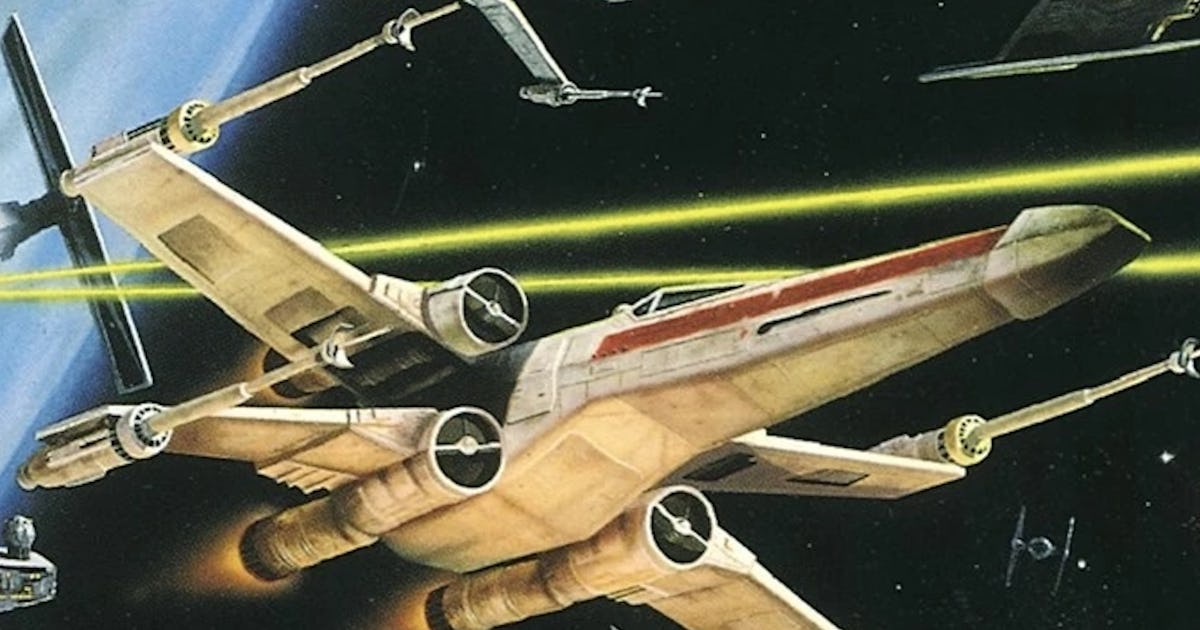
"Prior to Star Wars, space battles were more lumbering, depicting larger spacecraft duking it out in the style of nautical battleships. But thanks to George Lucas' imagination and the wizardry of the early ILM pioneers, Star Wars basically invented the way we even interact with imaginary space combat."
"In the era before The Phantom Menace and the slight reinvention of the Force, the Expanded Universe (later called "Legends"), in various seminal works (like Timothy Zahn's Heir to the Empire), actually pushed Star Wars deeper into science fiction subgenres rather than, say, space fantasy."
"By February 1996, hardcore Star Wars fans everywhere had almost certainly read the book X-Wing #1 Rogue Squadron by Michael A. Stackpole. And what this book did was to make the video game experience of flying an X-Wing into believable science fiction."
Star Wars fundamentally transformed space combat depiction in cinema by introducing fast-paced dogfights instead of the lumbering battleship-style encounters that dominated earlier science fiction. George Lucas and ILM pioneers created this innovation in 1977, establishing the template for imaginary space combat. During the 1990s, the Expanded Universe deepened Star Wars into science fiction subgenres through works like Timothy Zahl's Heir to the Empire. The X-Wing Rogue Squadron series, particularly Michael A. Stackpole's 1996 novel, transformed the video game experience of flying an X-Wing into believable science fiction. Set two years after the Battle of Endor, Rogue Squadron follows Wedge Antilles rebuilding an elite squadron, combining sci-fi spycraft with Top Gun-style action.
#star-wars-space-combat #rogue-squadron #expanded-universe #x-wing-starfighters #science-fiction-innovation
Read at Inverse
Unable to calculate read time
Collection
[
|
...
]