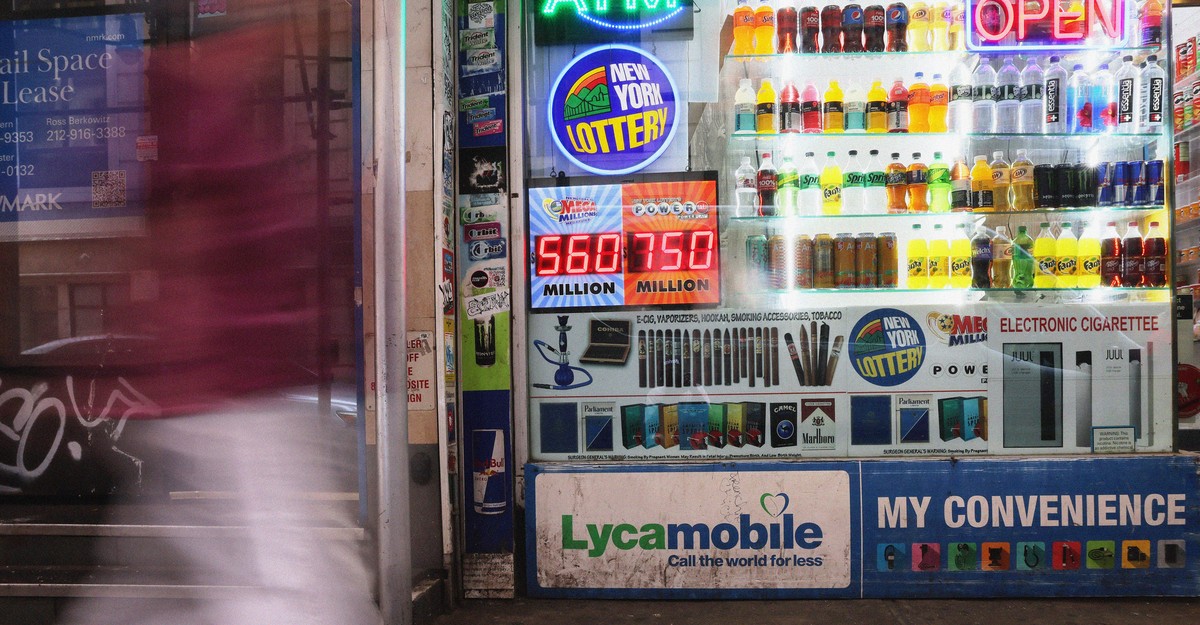
"The purveyors of late-night hot dogs, tins of Zyn, and countless varieties of gummy worms generally don't sell a lot of "real food." But in America's food deserts, convenience stores are more than just places to pick up a snack-they're grocery stores. The USDA estimates that tens of millions of Americans live in low-income areas with limited access to grocery stores."
"Food stamps are an essential part of convenience stores' business, but to participate in the program, retailers must carry products across a range of food groups. Those standards are poised to get an overhaul: "We are requiring that every outlet that accepts food stamps double the amount of real food that it sells in its facility," Kennedy said last week."
A renewed public-health directive urges Americans to prioritize whole foods and limit processed items, promoted through a federal website featuring images of steak, whole milk, and broccoli. Convenience stores often lack whole-food options but function as primary grocery outlets in many low-income neighborhoods and food deserts. The USDA estimates tens of millions of Americans live in areas with limited access to grocery stores. Food stamps are a major revenue source for mini-marts, and SNAP retailer participation currently requires stores to carry products across food groups. Federal officials are poised to revise those retailer standards, potentially requiring outlets that accept food stamps to substantially increase the amount of real food they stock. The Agriculture Department will implement the final decision.
Read at The Atlantic
Unable to calculate read time
Collection
[
|
...
]