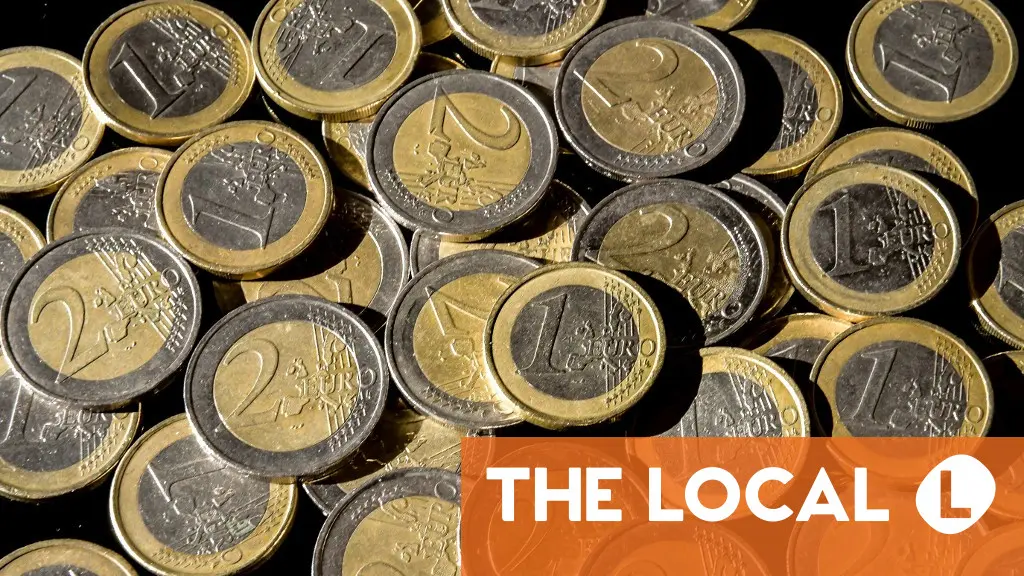
"Most people will probably know the formal French term for money - l'argent - but there are lots of other options. Slang terms include Balle - usually in the plural form, interchangeable with Euro, and Boule - an up-and-coming slang term for Euro. Both are more commonly used by young people."
"If you want to speak generally about money you can say: Fric - interchangeable with cash or money. Someone might say 'J'ai retiré le fric pour payer' (I took out money to pay). Blé - means wheat, but is equivalent to English 'bread' or 'dough' as a slang term for money, though it's a little more old-fashioned."
"Money - L'argent. This is also the word for silver - since money was originally made from silver, so you'll also see it if you're looking at high-end jewellery. Coins - Les pièces, if you want to refer to only one coin you can say une pièce de monnaie. A bill or a note - un billet."
French provides diverse vocabulary for discussing money across different contexts and formality levels. The formal term l'argent refers to money and silver, while coins are les pièces and bills are un billet. Slang alternatives include fric (cash), blé (dough, older usage), balles (euros, plural form), and boule (emerging euro slang among younger speakers). Payment-related phrases include formal requests like "Est-ce que je pourrais payer s'il vous plaît?" and card payment options such as par carte bancaire, par carte bleu, or simply par carte. Understanding these variations helps non-native speakers navigate financial conversations appropriately.
Read at The Local France
Unable to calculate read time
Collection
[
|
...
]