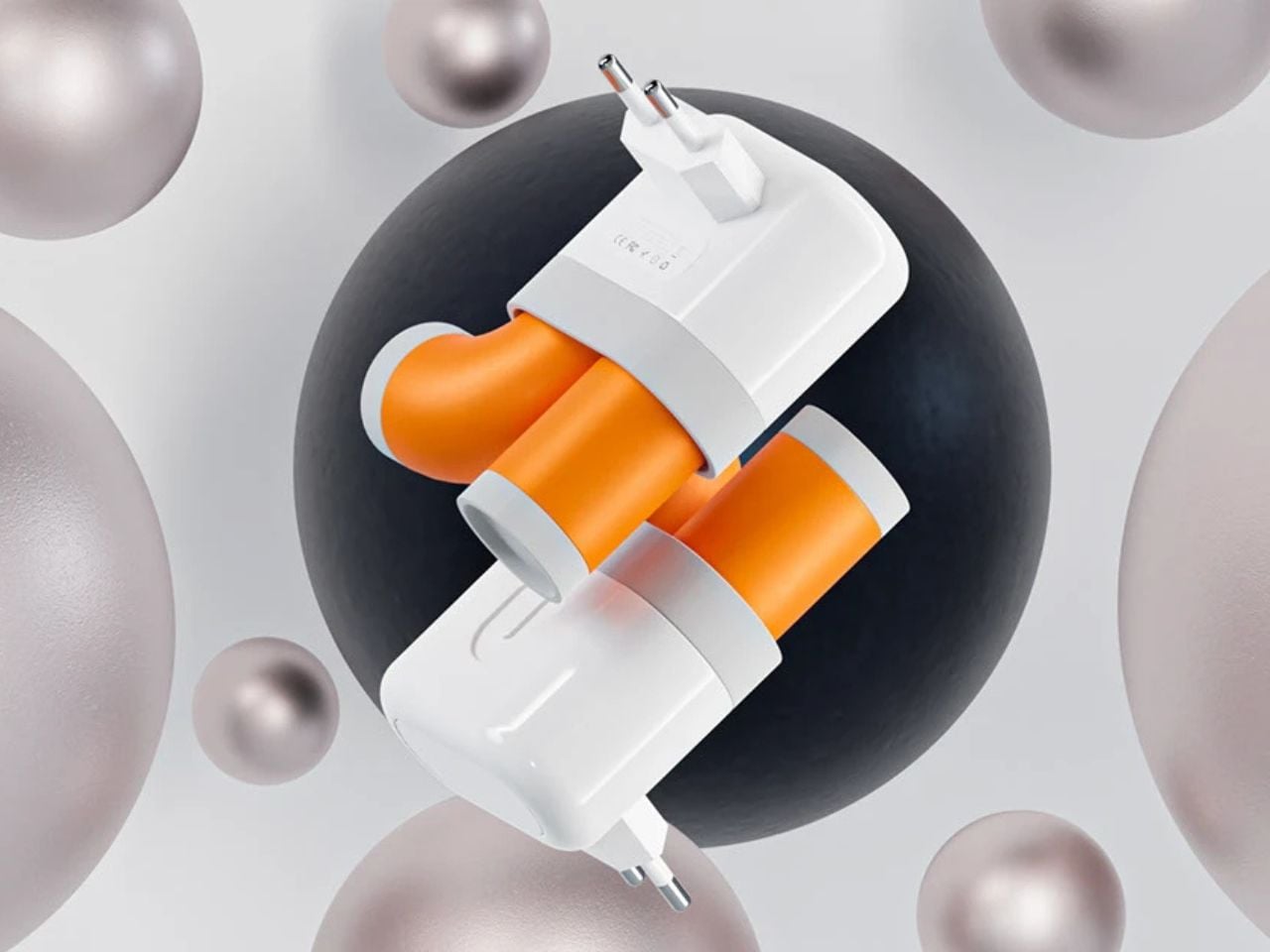
"Charging phones and portable devices has become one of the most routine actions of modern life. From the moment we wake up to the time we go to sleep, our devices depend on reliable power. We charge at home, in offices, cafés, airports, hotels, libraries, and public transportation spaces. Despite how frequently charging occurs, the physical environments designed to support it often feel like an afterthought."
"As a result, charging cables are routinely forced into uncomfortable positions. They are bent sharply against walls, twisted sideways, or compressed between furniture and outlets. Over time, this repeated stress causes visible wear. The outer insulation begins to tear, internal wiring weakens, and charging reliability declines. Many users replace cables not because they stop working suddenly, but because gradual damage makes them unsafe or frustrating to use. This cycle creates unnecessary waste, financial cost, and ongoing inconvenience."
"Charging cables are intentionally designed to be flexible. They allow users to route them around objects, across surfaces, and through tight gaps. Charging adapters, however, remain rigid and stiff. This mismatch creates a critical point of failure. When a rigid adapter is plugged into an awkwardly placed socket, it locks the cable into a fixed angle. The cable is forced to bend sharply at the connector, which is often the weakest part of the entire system."
Charging occurs constantly across homes, offices, cafés, airports, hotels, libraries, and public transit, yet power outlets are often poorly placed. Sockets located low, behind furniture, or under desks force cables into awkward positions where they bend, twist, or get compressed. Repeated stress wears outer insulation, weakens internal wiring, and degrades charging reliability, prompting many replacements driven by safety or frustration rather than sudden failure. Damaged adapters and cables can degrade electrical contacts, increase overheating risk, cause inconsistent power delivery, or short circuits. A design mismatch between flexible cables and rigid adapters concentrates stress at the connector, creating a common point of failure.
Read at Yanko Design - Modern Industrial Design News
Unable to calculate read time
Collection
[
|
...
]