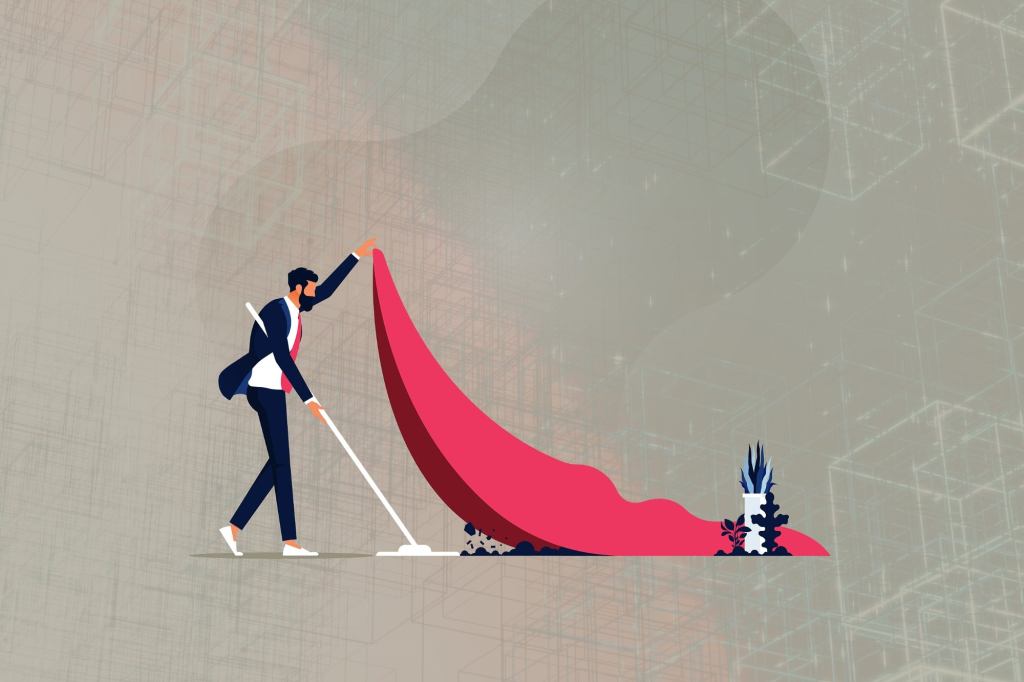
"People fail to surface risk early because past experience has taught them that doing so is costly - scrutiny, more meetings and more pressure. If risks are reported early, it often triggers challenge and frustration. If they're reported late, the focus shifts to recovery - so people learn to wait until issues are unavoidable."
"The instinct is to ask for more visibility, more detail, more frequent updates and more escalation discipline. That instinct makes sense, but it just doesn't solve the problem. Because the issue isn't that you lack visibility, it's that your organization has learned not to surface risk early."
"Silence isn't accidental. It's learned. People don't hide risk because they're careless; they do so because they have learned that early reporting leads to negative consequences."
Organizations struggle with early risk identification due to a culture that penalizes transparency. Past experiences have taught individuals that reporting risks early leads to scrutiny and pressure. Consequently, many choose to manage risks locally, delaying escalation until issues become unavoidable. This behavior results in significant delays and complications, as risks are often known before they are formally reported. Increased reporting does not address the root problem of risk aversion and learned silence within the organization.
Read at Entrepreneur
Unable to calculate read time
Collection
[
|
...
]