"Fiber is essential for stabilizing gut health, easing digestion, regulating bowel movements, and staggering the absorption of carbohydrate sugars into the bloodstream. By slowing down the glycemic load of these sugars flooding our bloodstreams, we can even reduce the risk of developing type 2 diabetes."
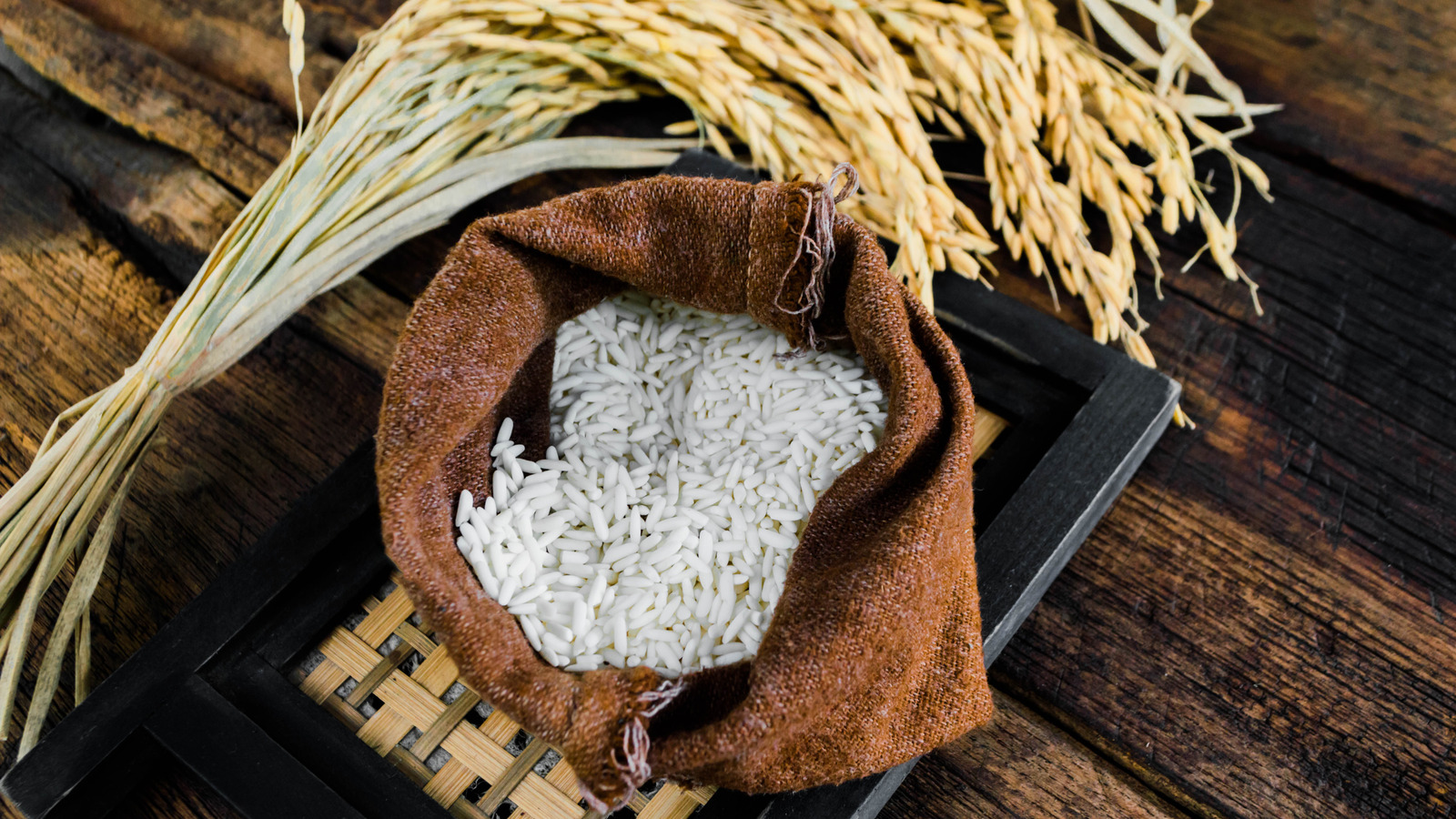
"In their natural form these grains come as a carbohydrate-rich endosperm, encased in a fibrous outer layer of bran and holding a nutrient-dense core called the germ. Through milling and processing, the bran is pulled away and the germ removed. The germ actually contains some fat, so removing it extends the processed grain's shelf-life."
"The average American adult only consumes between 15 and 16 grams of dietary fiber a day, which is roughly half of the recommended amount. Three grams of fiber per serving is a good starting point to aim for, and making sure that whole grains have first billing on the ingredients."
Fiber, though unglamorous, plays a critical role in digestive health, regulating bowel movements, and slowing sugar absorption to reduce type 2 diabetes risk. Natural grains contain fiber in their outer bran layer and nutrient-dense germ, but industrial milling and processing strip these away to extend shelf-life and create uniform products. This removes most fiber while preserving carbohydrates. The average American consumes only 15-16 grams of fiber daily, roughly half the recommended amount. Whole grain versions of breads, flours, and cereals offer higher fiber content, with three grams per serving as a reasonable target when whole grains appear first in ingredient lists.
Read at Tasting Table
Unable to calculate read time
Collection
[
|
...
]