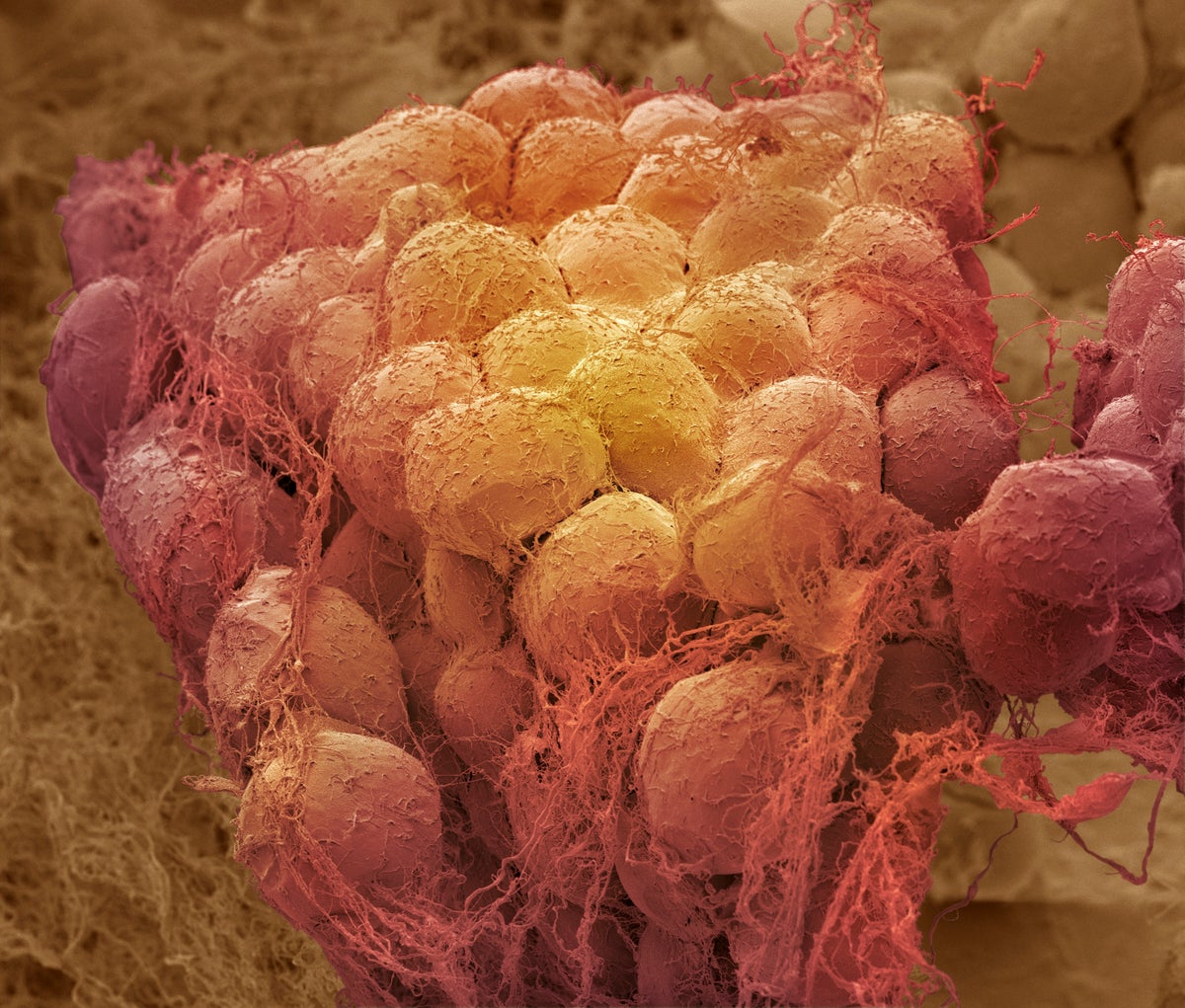
"Cells that store fat, or adipocytes, and immune cells, such as macrophages, that live in fat tissue can remember weight long after it's lost. And scientists suggest obesity causes lasting changes to those cells that make it easier to revert the body to a state of obesity, even after significant weight loss."
"The changes are etched into the cells' epigenome, the instructions that tell each cell to read specific genes that control their function. In people with obesity, lasting epigenetic changes might prime the body to regain weight more easily if they consume more calories."
"Even after the participants with obesity had lost about 25 percent of their body mass index after their surgery, some of their genes remained out of whack. This suggests some fat tissue didn't recover from obesity—certain genes controlling metabolic function and inflammation remained abnormally switched on or off."
Weight loss maintenance remains challenging because fat cells and immune cells in adipose tissue retain cellular memory of obesity. Research demonstrates that obesity causes lasting epigenetic changes—modifications to gene expression instructions—that persist even after substantial weight loss. These epigenetic alterations affect how genes controlling metabolic function and inflammation are activated or deactivated. Scientists studying fat tissue from bariatric surgery patients found that certain genes remained abnormally switched on or off months after patients lost approximately 25 percent of their body mass index. These persistent cellular changes prime the body to regain weight more readily when calorie intake increases, explaining why weight loss is difficult to maintain regardless of the method used.
Read at www.scientificamerican.com
Unable to calculate read time
Collection
[
|
...
]