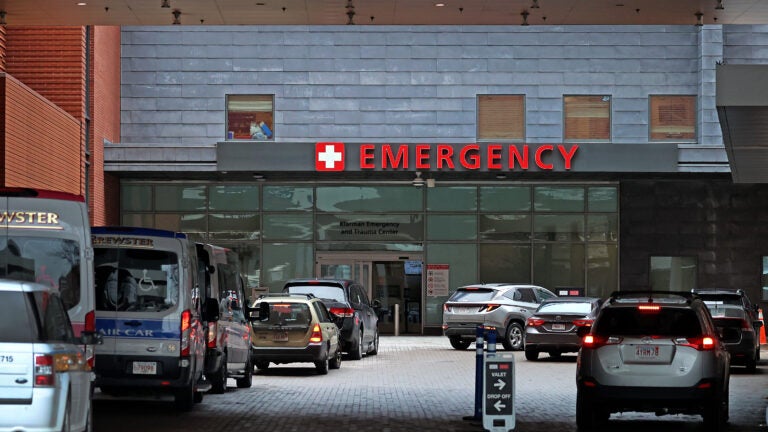
"For Massachusetts emergency physicians, that dream captures a simple truth: long ER waits rarely steam from care inside the department. Instead, doctors say they're the result of bottlenecks across a system stretched thin by staffing shortages, aging patients, limited hospital beds, and gaps in primary care."
"We physicians and the nurses want the system fixed - maybe even more than the patients, because we experience it every single day that we go to work. Emergency departments are designed to move quickly when space and staffing are available, and when all the resources and space are available it actually operates very smoothly."
Massachusetts experiences among the longest emergency room wait times nationally, with patients averaging 189 minutes before leaving the department. Emergency physicians attribute these delays not to departmental inefficiencies but to broader healthcare system failures including insufficient hospital beds, staffing shortages, an aging population requiring complex care, and gaps in primary care access. When emergency departments have adequate resources and space, they operate smoothly and efficiently. However, systemic bottlenecks prevent patients from being admitted to inpatient beds, causing backups in emergency rooms. Healthcare providers emphasize that fixing ER delays requires addressing these underlying system-wide issues rather than focusing solely on emergency department operations.
#emergency-room-delays #healthcare-system-bottlenecks #hospital-bed-shortages #primary-care-gaps #healthcare-staffing-crisis
Read at Boston.com
Unable to calculate read time
Collection
[
|
...
]