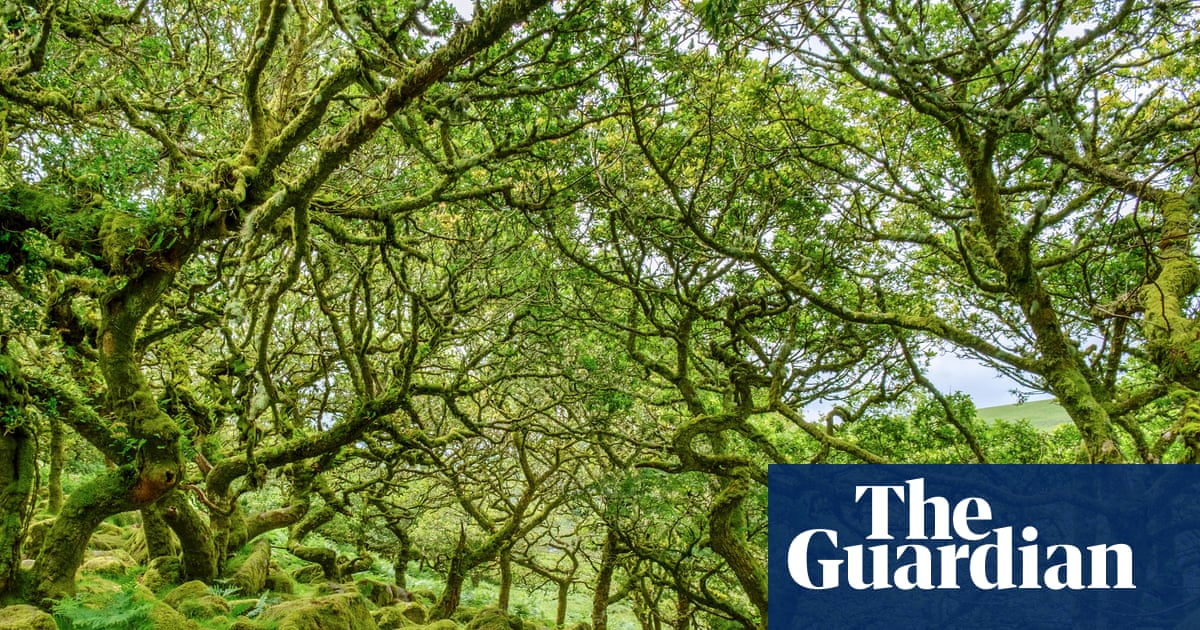
"Under classifications drawn up in the 1970s, a UK wood is considered ancient if it was already in existence by 1600 (in Scotland, by 1750), as shown on the earliest accurate maps. These are our last links to the wildwood, places where the undisturbed soil still supports a rich and intricate ecosystem that no human ingenuity can recreate."
"A chartered forester and former ranger, he writes of a gruelling intimacy with trees—sweat, sawdust, the skill to see usable forms in uncut trunks and boughs—that would have been familiar to almost everyone until the Industrial Revolution. Wood sustained all human life and technological progress: from firewood for hearths and ovens to the charcoal that enabled the smelting of metals to the timber that provided Britain's tools, furniture and building frames."
Britain's landscape has always been defined by immigration, including its flora and fauna. Following the retreat of ice sheets over 10,000 years ago, trees from warmer regions recolonized the land, eventually creating vast forests before rising sea levels separated Britain from the continent. Today, ancient semi-natural woodlands—defined as forests existing by 1600 (or 1750 in Scotland)—represent the last fragments of this primeval wildwood. These surviving woodlands maintain undisturbed soils supporting intricate ecosystems that cannot be recreated artificially. Luke Barley's work explores the deep historical relationship between Britain's trees and people, tracing how wood has been fundamental to human survival and technological advancement from the Bronze Age through the Industrial Revolution, providing firewood, charcoal for metal smelting, and timber for tools, furniture, and buildings.
#ancient-woodlands #british-forest-history #human-nature-relationship #ecosystem-conservation #timber-and-resources
Read at www.theguardian.com
Unable to calculate read time
Collection
[
|
...
]