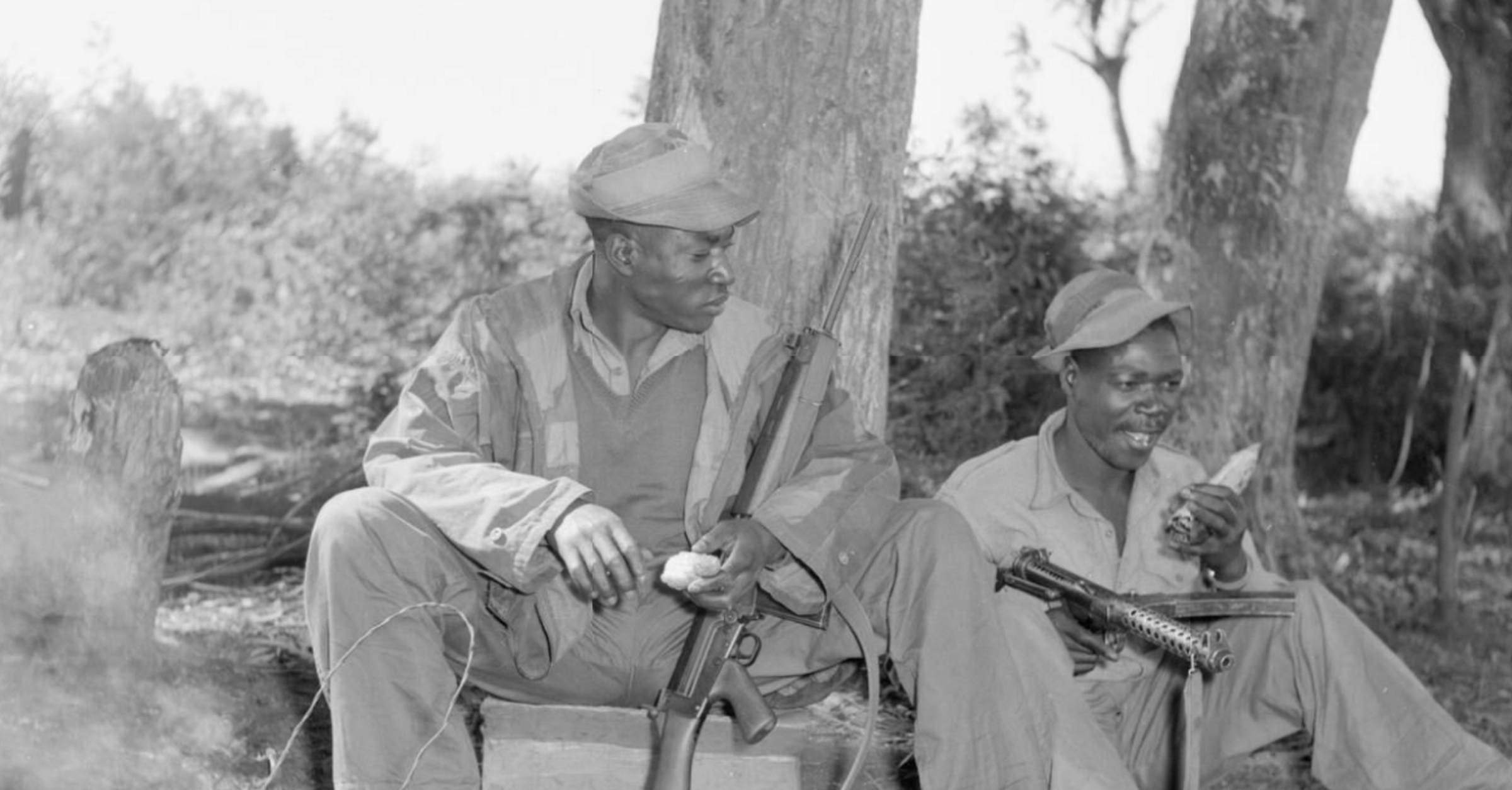
"In 1948, there were around 30,000 White settlers in Kenya, which then had an overall population of around 5 million people. By the early 1950s, the British government realised that independence movements across the British Empire were becoming more and more insistent."
"A balancing act was required where British, nationalist, and minority group interests could all be preserved. Key requirements for a handover of power in more advanced and stable colonies like Kenya were universal suffrage in free elections and multiracial development."
"The colony prospered (from an imperial point of view) thanks to its mild climate, which made it suitable for diverse plantations. Kenya also had large game reserves (where hunting was strictly controlled), which were first created in 1898."
"A proposal to join together Kenya, Uganda, and Tanganyika to create an East Africa Federation was rejected as contrary to the British government's main aim of ensuring the interests of Africans were cared for, as opposed to only those of White settlers in these areas."
Britain's presence in East Africa began in 1887 with a lease from the Sultan of Zanzibar. The Imperial British East Africa Company was chartered in 1888, controlling British East Africa, which included Kenya and Uganda. Nairobi was founded in 1899 and became the capital. The colony thrived due to its climate and game reserves. By 1948, there were 30,000 White settlers in a population of 5 million. The British government faced pressure for independence while trying to balance various interests, leading to complex political dynamics.
Read at World History Encyclopedia
Unable to calculate read time
Collection
[
|
...
]