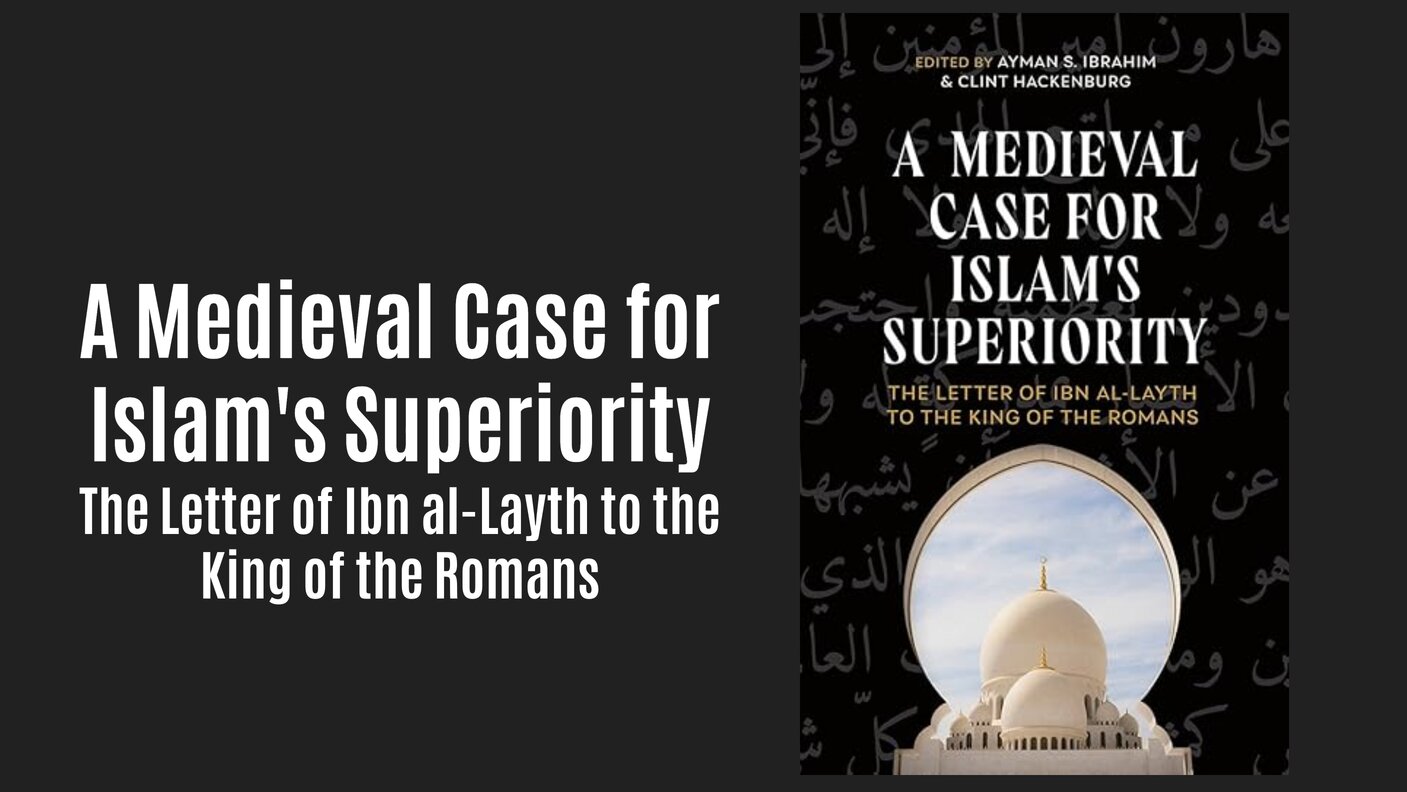
"At the end of the eighth century, the Abbasid caliph sent a letter to the Byzantine emperor. This book presents a new edition and translation of that remarkable text-one of the earliest surviving defences of Islam-offering a rare insight into how its author explained Islamic belief and set out what he believed Christianity had misunderstood. Ibn al-Layth's Risāla reflect the political, social, and religious context of the last quarter of the eighth century in Baghdad."
"It is a remarkable testimony of the Abbāsid-Byzantine political tension and the Muslim-Christian socioreligious interaction, viewed from the caliphal court during the Abbāsid golden age. The Risāla reflects a full bloom of intellectual engagement, clearly centered in Baghdad and arguable directed toward Christians in the caliphate and beyond. As one of the earliest surviving defences of Islam addressed to a Byzantine audience, it is an important source for the study of Islam, Islamic-Christian relations, and Abbasid-Byzantine diplomacy."
Ibn al-Layth's Risāla originates in late eighth-century Baghdad during the Abbasid caliphate. The letter records a diplomatic communication to the Byzantine emperor that defends Islamic doctrine and addresses perceived Christian misunderstandings. The text combines theological argumentation with evidence of Abbasid-Byzantine political tension and Muslim-Christian socioreligious interaction. The Risāla demonstrates the intellectual vibrancy centered at the caliphal court and the use of learned engagement in interfaith exchanges. The letter functions as a primary source for the study of early Islamic apologetics, medieval diplomacy, and the social and religious dynamics of Baghdad in the late eighth century.
#abbasid-byzantine-diplomacy #early-islamic-apologetics #muslim-christian-relations #baghdad-intellectual-life
Read at Medievalists.net
Unable to calculate read time
Collection
[
|
...
]