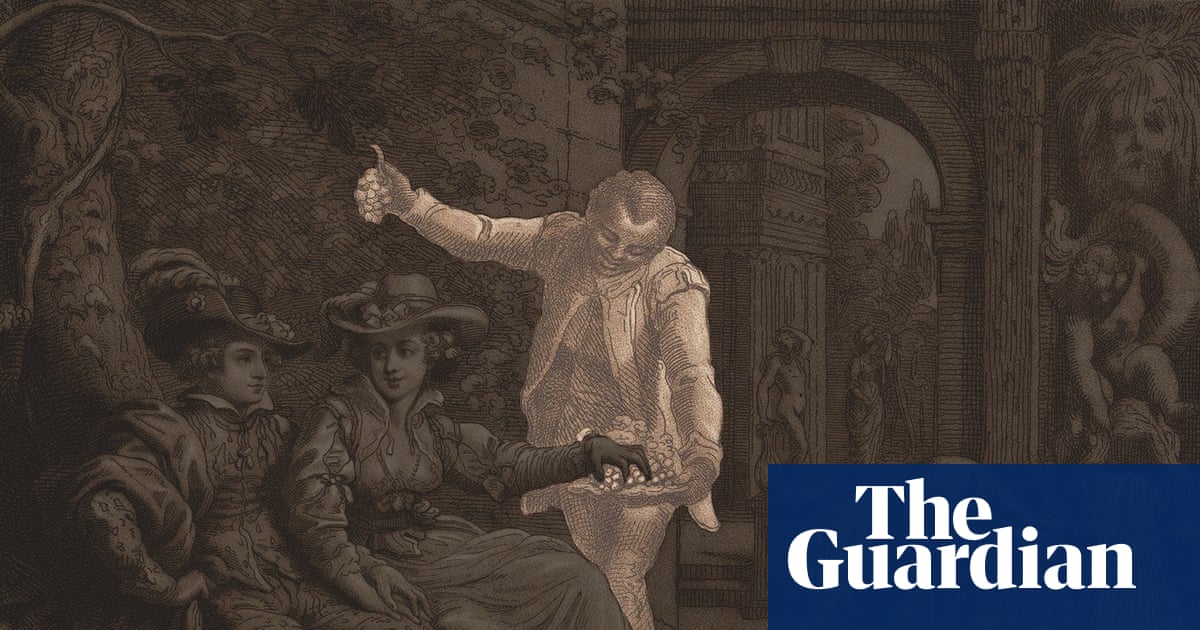
"One autumn day in 1786, an unexpected parcel arrived at Carlton House, the London residence of George, Prince of Wales. The sender was Quobna Ottobah Cugoano, a free Black man living in London, one of roughly 4,000 people of African descent in the city at the time. Inside the package were pamphlets describing the horrors of the transatlantic slave trade and the brutal treatment of enslaved people in Britain's Caribbean colonies."
"The accompanying letter, signed John Stuart, Cugoano's alias, urged the heir to the British throne to read the little tracts enclosed and to consider the case of the poor Africans who are most barbarously captured and unlawfully carried away from their own country. Africans, Cugoano warned, were treated in a more unjust and inhuman manner than ever known among any of the barbarous nations in the world."
One autumn day in 1786 Quobna Ottobah Cugoano sent pamphlets and a letter to George, Prince of Wales, urging attention to the horrors of the transatlantic slave trade and brutal treatment in Britain's Caribbean colonies. Cugoano signed the letter John Stuart and warned that Africans were treated more unjustly and inhumanely than among any barbarous nations. He worked as a domestic servant for painters Maria and Richard Cosway at Schomberg House, two blocks from Carlton House. Salons and concerts at Schomberg House drew high society, giving Cugoano rare direct access to Britain's elite and the royal family. Cosway dressed Cugoano in flamboyant livery, making Black servants visible symbols of wealth and imperial reach.
#quobna-ottobah-cugoano #transatlantic-slave-trade #black-servants-in-georgian-britain #prince-of-wales
Read at www.theguardian.com
Unable to calculate read time
Collection
[
|
...
]