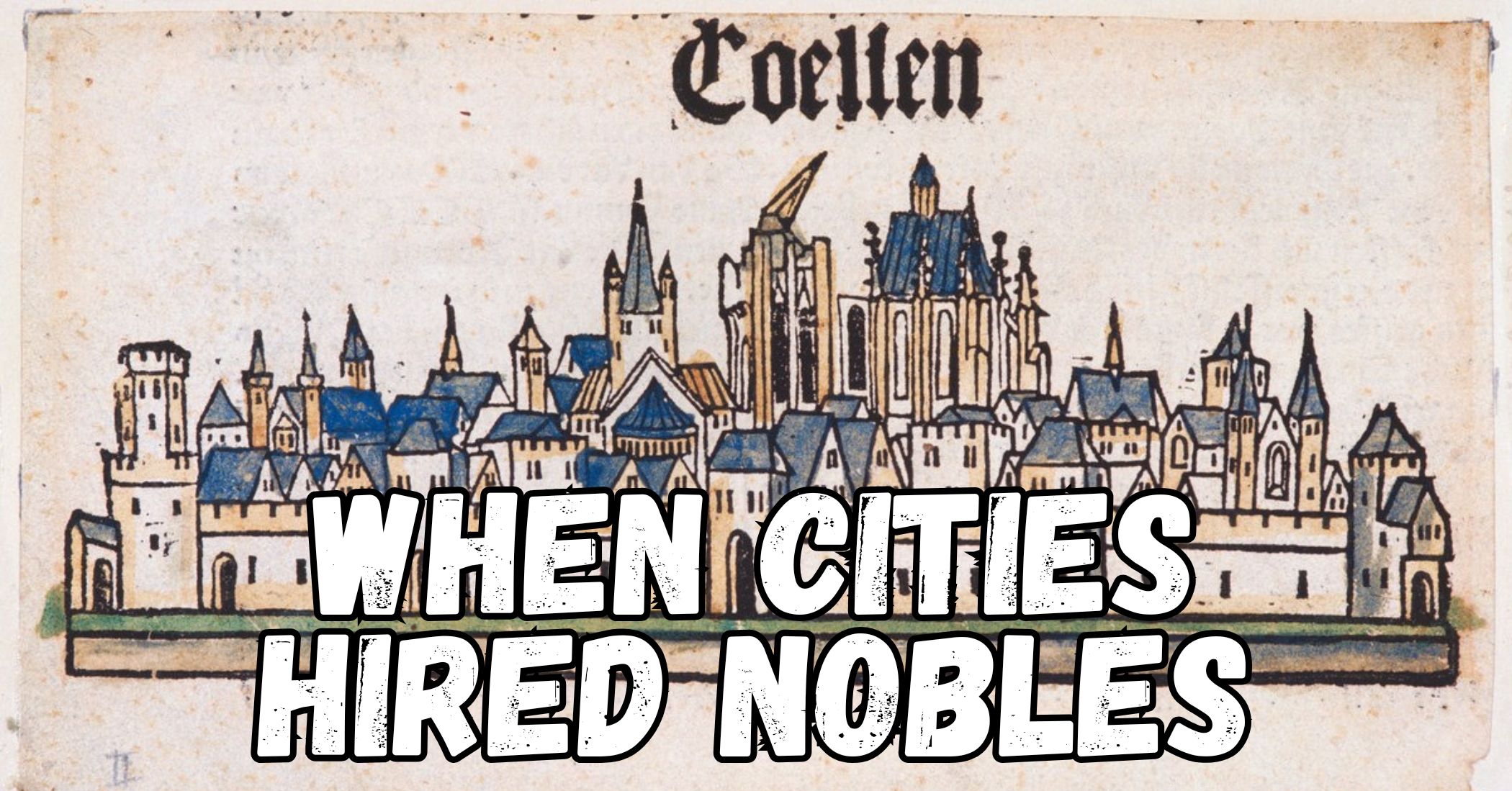
"The period between the excommunication of Emperor Frederick II and the death of his son Conrad IV was marked by intensive warfare throughout much of the German kingdom, highlighting the struggle for power among various factions."
"Urban communes seized control over the powers of justice, taxation, and defense, often to the exclusion of their bishops, reflecting a significant shift in governance within these cities."
"Cities improved and expanded their walls, developed large-scale arsenals, and established alliances with other cities, such as the Rhenish League, to defend their common interests during the civil wars."
Medieval German cities sought protection through alliances with nobles, especially during the civil wars from 1239 to 1254. The cities, particularly in the Rhineland, gained privileges to manage their affairs, allowing urban communes to control justice, taxation, and defense. As civil war intensified, cities invested in defenses, improved walls, expanded militia participation, developed arsenals, and formed alliances like the Rhenish League. These actions reflected a shift in power dynamics, with urban communes asserting greater political control and military organization.
Read at Medievalists.net
Unable to calculate read time
Collection
[
|
...
]