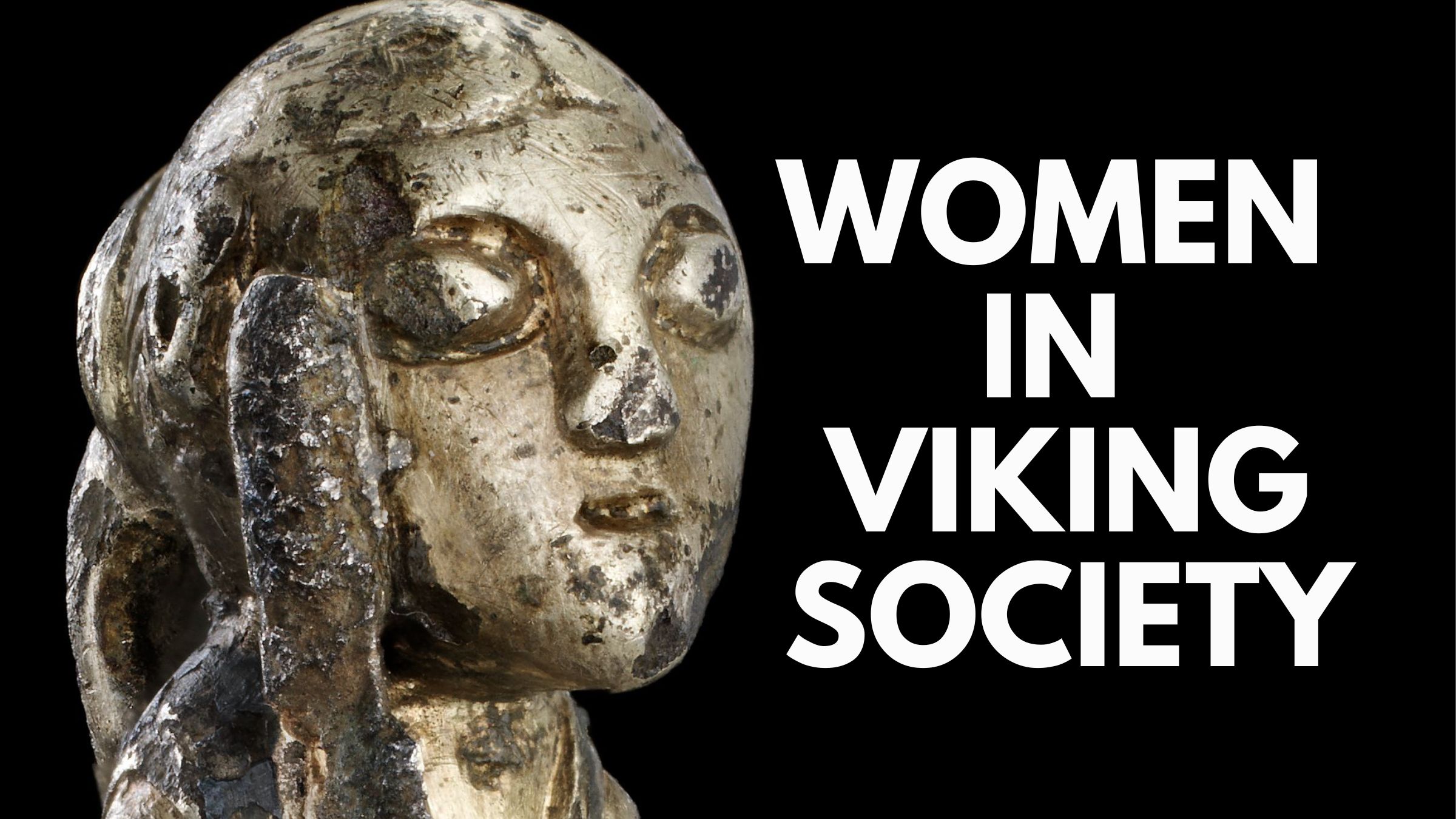
"Beyond the reach of medieval Christendom, Viking-age Scandinavia drew its ideas about gender less from scripture than from myth, law, and the practical demands of life in a raiding and trading world. Luke Daly explores how women could wield real authority-as estate managers, property holders, ritual figures, and, at times, political actors-within a society that was still hierarchical and often violent. Beyond the cathedrals and the long shadow cast by Rome lay societies whose moral and social assumptions were not governed by the cross."
"Luke Daly explores how women could wield real authority-as estate managers, property holders, ritual figures, and, at times, political actors-within a society that was still hierarchical and often violent. Beyond the cathedrals and the long shadow cast by Rome lay societies whose moral and social assumptions were not governed by the cross. In these regions, most notably pre-Christian Scandinavia, gender relations were shaped less by biblical exegesis than by myth, custom, and pragmatic necessity."
"To appreciate the social position of women in Viking society, one must begin with cosmology. Norse mythology did more than explain the origins of the world; it established the assumptions upon which social expectations were built. Unlike the Christian narrative of Genesis, Norse creation stories did not locate disorder in female transgression, nor did they derive woman from man. Instead, they presented a universe brought into being through balance, interaction, and interdependence."
Viking-age Scandinavian gender norms derived primarily from myth, law, and practical economic and social needs rather than Christian scripture. Women could hold considerable authority as estate managers, property owners, ritual specialists, and occasional political figures. Norse cosmology framed creation in terms of balance, interaction, and interdependence rather than female fault or derivation from man. Legal, economic, and ritual structures supported female roles even within hierarchical and often violent contexts. These practices produced forms of female agency and authority that diverged markedly from contemporary Christian assumptions and that require contextual legal and cosmological understanding.
Read at Medievalists.net
Unable to calculate read time
Collection
[
|
...
]