"You had not even written a book intriguing enough to attract the attention of the mysterious book thief. But then hubris got my ass, as it is wont to do, and somehow I ended up inputting my debit card information into a fake USPS website and losing around $600 in many installments of $19.99 to a man named Maurice in Georgia. (Hey, at least I didn't get scammed by a cat.)"
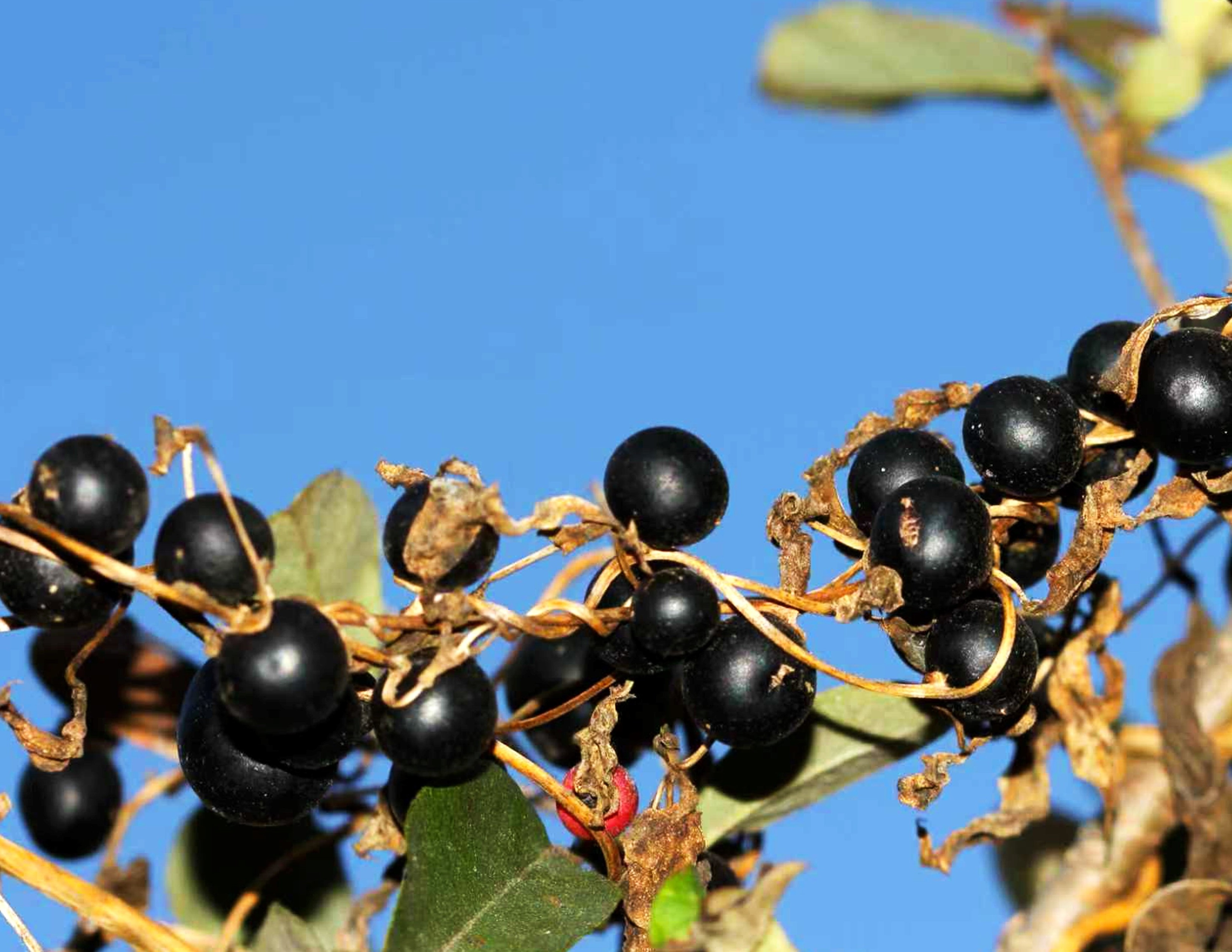
"The plant is a climbing vine, from which sprouts both edible yams and little bulbs called bulbils. The black-bulb yam is asexual, having lost the ability to make seeds and reproduce sexually long ago. Instead, it produces bulbils, which drop from the black-bulb yam to make new, identical black-bulb yams. The bulbils bear an eerie resemblance to real berries, meaning fleshy fruits with seeds inside. Specifically, the black-bulb bulbils resemble other local black berries, such as those of Phytolacca acinosa, or Indian pokeweed."
Scams and deceptive signals occur across species, from humans to birds and insects. A human example involved entering debit card details on a fraudulent USPS-like website and losing about $600 through repeated $19.99 charges to a scammer. Some plants evolved structures that mimic edible fruit to trick animal dispersers. The black-bulb yam, Dioscorea melanophyma, grows as a climbing vine in South and Southeast Asia and produces bulbils instead of seeds. Those bulbils resemble local black berries in appearance but are not true fruits and do not provide the rewards associated with real berries. Such mimicry can manipulate animal behavior to spread asexual clones.
Read at Defector
Unable to calculate read time
Collection
[
|
...
]